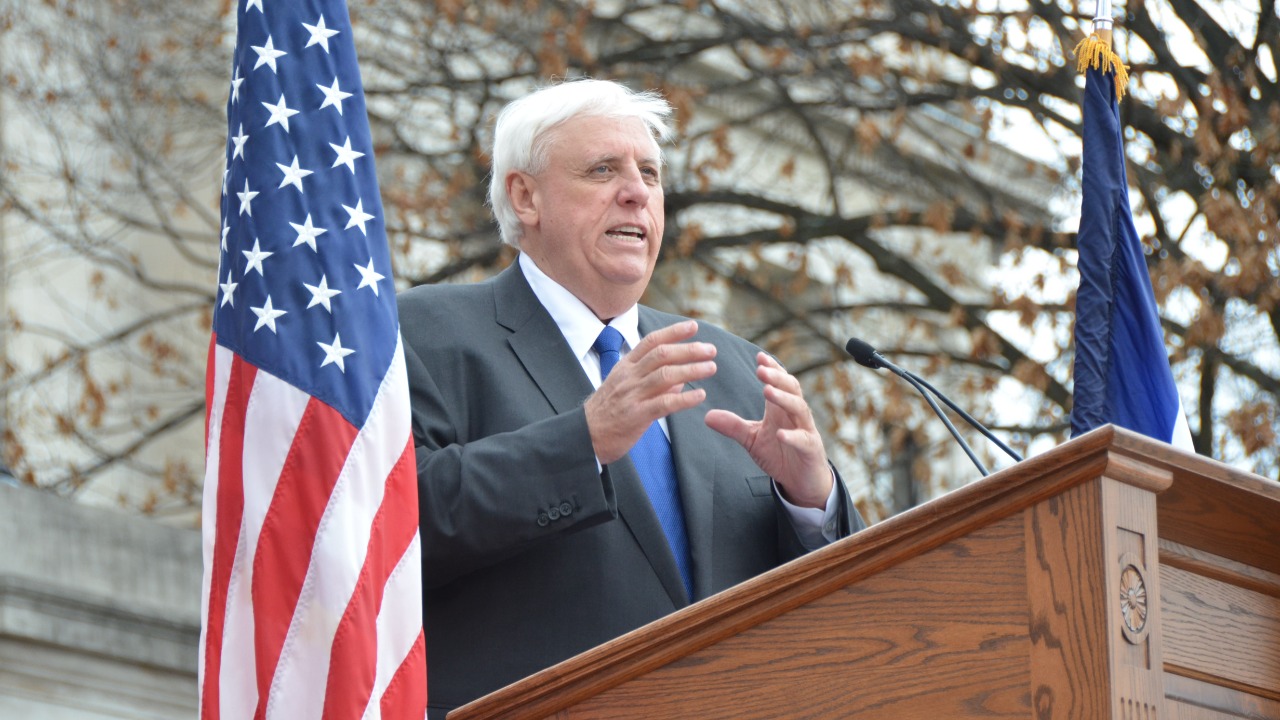
West Virginia’s Jim Justice has agreed to resolve more than 5 million dollars in overdue federal taxes tied to his family’s coal empire, a deal that pulls one of the state’s most powerful political figures into sharper financial focus. The settlement caps a long-running dispute over unpaid obligations while raising fresh questions about how the Republican governor and U.S. Senate candidate manages a sprawling business network that has repeatedly collided with regulators and tax collectors.
I see this agreement as more than a bookkeeping fix, because it lands at the intersection of Justice’s personal finances, his coal companies’ legal troubles, and his bid for higher office. The outcome will shape how voters and creditors alike judge his promises about fiscal responsibility and corporate accountability.
What the multimillion‑dollar tax deal actually covers
The core of the new agreement is straightforward: Justice has consented to pay more than 5 million dollars in overdue federal taxes that the Internal Revenue Service had been pursuing against entities tied to his coal holdings. The liabilities stem from assessments that built up over several years as some of his companies struggled with cash flow, regulatory penalties, and declining coal markets, leaving the government to chase unpaid balances that continued to accrue interest and penalties. By accepting a negotiated resolution, Justice is effectively conceding the debt while avoiding a prolonged fight over collection actions that could have targeted business assets or accounts linked to his family’s enterprises, according to the federal tax filings.
The settlement does not erase the broader web of financial pressures surrounding the Justice organization, but it does close one of the most visible fronts between the governor and the federal government. Court records show that the IRS had previously filed liens and pursued collection efforts tied to Justice-controlled coal companies, signaling that patience with partial payments and missed deadlines had worn thin before the parties reached this new accord. The agreement now sets a clear payment obligation that Justice’s team must meet, while federal authorities retain leverage if the schedule is not honored, as reflected in the underlying settlement documents.
A long pattern of unpaid bills, lawsuits, and regulatory clashes
This tax deal slots into a much longer pattern of overdue bills and courtroom battles that has followed Justice’s coal and hospitality businesses for years. His companies have been sued repeatedly by vendors, banks, and government agencies over unpaid invoices, defaulted loans, and safety or environmental violations at mines in West Virginia and neighboring states. Federal regulators have documented millions of dollars in unpaid mine safety penalties and reclamation obligations, while state officials have pressed Justice-affiliated firms to address outstanding fines and compliance orders, according to a series of enforcement actions summarized in recent regulatory reports.
Those disputes have not been confined to the coal fields. Lenders have pursued Justice family entities over large commercial loans tied to resorts and other properties, including litigation over missed payments and restructuring efforts that stretched out repayment timelines. In several cases, creditors alleged that Justice companies fell behind on obligations even as the governor publicly touted his business acumen and personal wealth, a tension that has become a recurring theme in coverage of his finances. The new tax settlement, layered on top of earlier judgments and consent orders, underscores how often Justice’s enterprises have relied on negotiation and litigation rather than timely payment, a pattern documented in multiple civil cases and debt disclosures.
Political stakes for a governor seeking a U.S. Senate seat
The timing of the tax settlement carries clear political weight because Justice is campaigning for the U.S. Senate while still serving as governor. His pitch to voters leans heavily on his identity as a successful businessman who can manage public finances, yet the record of overdue taxes, unpaid fines, and creditor lawsuits gives opponents a ready-made line of attack. Rivals have already framed the IRS dispute as evidence that Justice does not live up to his own rhetoric on fiscal discipline, pointing to the more than 5 million dollars in back taxes as a concrete example of what they describe as chronic mismanagement, a critique echoed in recent campaign coverage.
I expect the settlement to feature prominently in advertising and debates, not only because of the dollar figure but because it reinforces a narrative that Justice’s private businesses depend on special deals and last-minute fixes. Ethics advocates have also raised concerns about potential conflicts of interest when a sitting governor who controls state regulatory agencies is simultaneously negotiating with federal authorities over his companies’ obligations. While the agreement itself focuses on federal tax law, it adds to a broader conversation about whether Justice can separate his public duties from his family’s financial struggles, a question that watchdog groups and political analysts have explored in detailed conflict-of-interest reviews.
More From TheDailyOverview

Julian Harrow specializes in taxation, IRS rules, and compliance strategy. His work helps readers navigate complex tax codes, deadlines, and reporting requirements while identifying opportunities for efficiency and risk reduction. At The Daily Overview, Julian breaks down tax-related topics with precision and clarity, making a traditionally dense subject easier to understand.

