In a guide published on April 22, 2025, MarketWatch outlines essential strategies for effective budgeting to help individuals gain control over their finances. This resource emphasizes practical steps tailored for beginners navigating personal money management. Drawing from this timely reporting, mastering budgeting can transform financial habits, starting with foundational principles, according to MarketWatch.
Assessing Your Financial Starting Point

To begin mastering your finances, it’s crucial to assess your current financial situation. Start by evaluating all income sources, whether they come from a salary, freelance work, or investments. This step helps establish a realistic baseline for your budget. Tracking monthly expenses is equally important; categorize them into essentials like housing and food versus discretionary spending, such as entertainment. This categorization provides clarity on where your money goes and highlights potential areas for adjustment.
Another vital component is calculating your net worth, which involves subtracting total debts from total assets. This calculation offers a snapshot of your financial health and can identify areas needing immediate attention. Understanding your net worth can guide you in making informed decisions about debt reduction and asset accumulation, setting a solid foundation for future financial planning.
Setting Clear Budgeting Goals

Once you have a clear picture of your financial starting point, the next step is to set clear budgeting goals. Define short-term goals, such as building an emergency fund that covers three to six months of expenses. This fund acts as a financial safety net, providing peace of mind and stability in case of unexpected events. Long-term objectives might include saving for retirement or a home down payment, each with specific timelines to keep you on track.
Prioritizing these goals based on urgency and impact ensures they align with your overall financial health. For instance, if reducing high-interest debt is more pressing than saving for a vacation, allocate resources accordingly. This prioritization helps maintain focus and directs your efforts toward achieving the most significant financial improvements first.
Implementing Key Budgeting Methods

With goals in place, implementing effective budgeting methods becomes essential. One popular approach is the 50/30/20 rule, which allocates 50% of income to needs, 30% to wants, and 20% to savings or debt repayment. This method provides a balanced framework that accommodates both necessary expenses and personal desires while ensuring savings and debt reduction are not neglected.
Alternatively, consider zero-based budgeting, where every dollar of income is assigned a specific purpose, leaving no unallocated funds. This method requires meticulous planning but offers precise control over spending. To facilitate these budgeting methods, use tools like spreadsheets or apps such as Mint or YNAB (You Need A Budget) to automate tracking and adjustments, ensuring ongoing accuracy and ease of management.
In addition to these methods, envelope budgeting is another technique that can help manage finances effectively. This method involves allocating cash for different spending categories into separate envelopes, ensuring that you only spend what is available in each envelope. This tangible approach can help curb overspending and increase awareness of spending habits. For those who prefer digital solutions, many budgeting apps offer virtual envelope systems, combining the benefits of this method with the convenience of technology.
Furthermore, consider the pay-yourself-first strategy, which prioritizes savings by automatically transferring a predetermined amount to savings or investment accounts before addressing other expenses. This approach ensures that savings goals are met consistently, reinforcing the habit of prioritizing financial security. By exploring and combining various budgeting methods, individuals can tailor their approach to best fit their lifestyle and financial goals.
Monitoring and Adjusting Your Budget
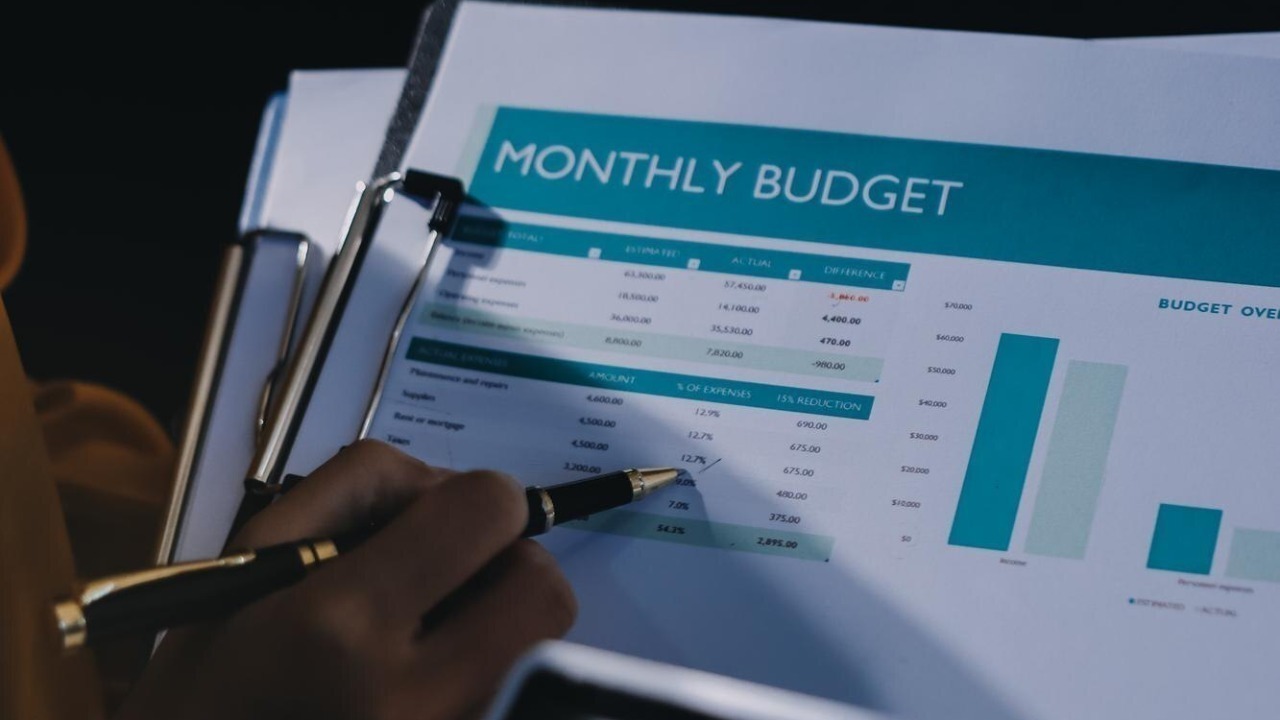
Regularly monitoring and adjusting your budget is crucial for maintaining financial discipline. Review your spending weekly or monthly to compare actuals against planned amounts, making necessary tweaks to stay on track. This practice helps identify patterns and areas where you might be overspending, allowing for timely corrections.
Addressing common pitfalls, such as unexpected expenses, requires building flexibility into your budget. Set aside a small buffer for unforeseen costs to prevent them from derailing your financial plans. Celebrating milestones, like reducing debt or hitting savings targets, can also boost motivation and reinforce positive financial habits.
To enhance the effectiveness of budget monitoring, consider setting up alerts for when spending approaches category limits. Many financial apps and banks offer this feature, providing real-time notifications that help prevent overspending. Additionally, conducting a quarterly review of your budget can offer deeper insights into spending trends and help identify areas for long-term improvement. This periodic assessment allows for strategic adjustments that align with evolving financial priorities and life changes.
Engaging in regular financial check-ins with a partner or accountability buddy can also be beneficial. Sharing progress and challenges with someone else can provide motivation and new perspectives on managing finances. This collaborative approach can lead to more disciplined budgeting practices and shared financial success.
Building Sustainable Financial Habits

Integrating budgeting into daily routines is key to building sustainable financial habits. Simple actions, such as reviewing transactions via mobile banking alerts, can keep you informed and engaged with your finances. If needed, seek professional advice from a financial advisor, especially for complex situations that require expert guidance.
Continuously educating yourself on evolving financial trends is another way to refine your budgeting strategies over time. Staying informed about changes in the financial landscape can help you adapt and optimize your approach, ensuring your budgeting efforts remain effective and aligned with your long-term goals.
Developing a mindset focused on long-term financial health is crucial for sustaining budgeting efforts. This involves setting realistic expectations and recognizing that financial improvement is a gradual process. Celebrating small victories, such as sticking to a budget for a month or reaching a savings milestone, can reinforce positive behaviors and encourage continued commitment to financial goals.
Additionally, cultivating a habit of mindful spending can significantly impact financial sustainability. Before making purchases, consider whether they align with your financial goals and values. This practice not only helps reduce unnecessary expenses but also fosters a more intentional approach to money management. Over time, these habits can lead to greater financial resilience and the ability to adapt to changing circumstances.

Cole Whitaker focuses on the fundamentals of money management, helping readers make smarter decisions around income, spending, saving, and long-term financial stability. His writing emphasizes clarity, discipline, and practical systems that work in real life. At The Daily Overview, Cole breaks down personal finance topics into straightforward guidance readers can apply immediately.