
Stretching your grocery budget can be a daunting task, especially with rising food prices. However, by implementing strategic planning and smart shopping techniques, it’s possible to maintain a nutritious diet without breaking the bank. Here are 17 effective strategies to help you manage your grocery expenses more efficiently.
1. Implement $4-a-Day Meal Planning
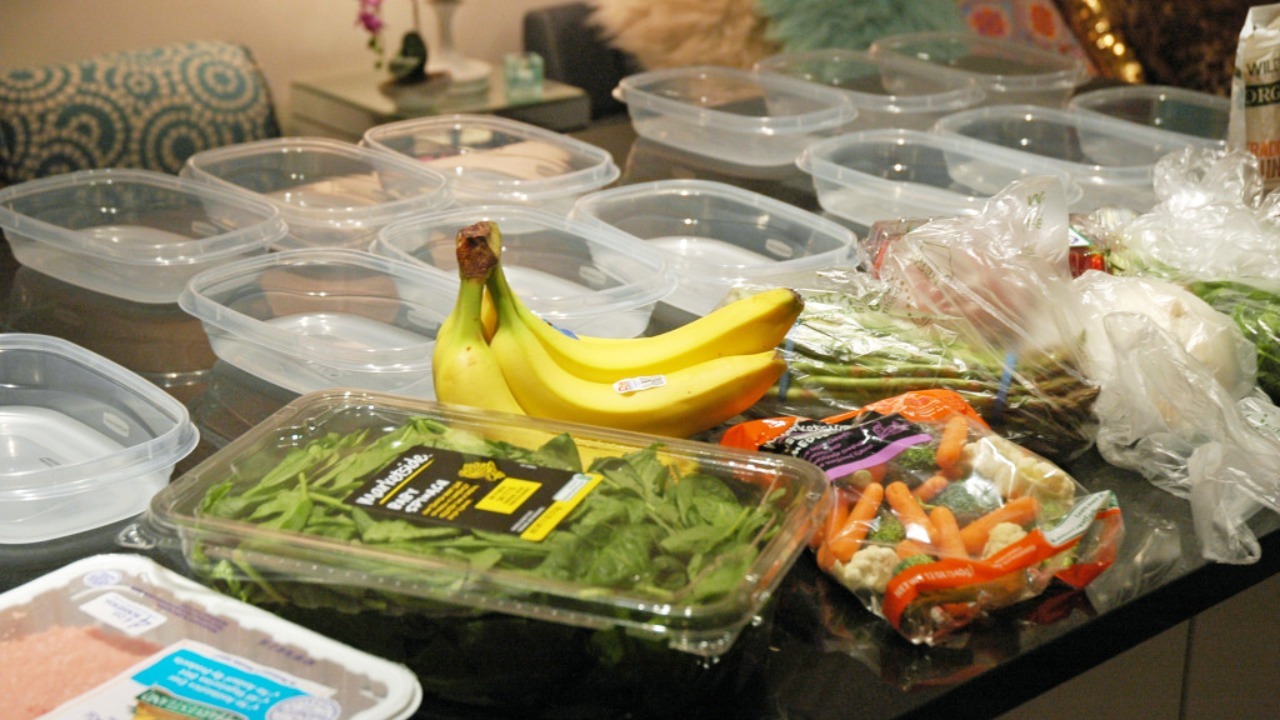
One of the most effective ways to stretch your grocery budget is by adopting a $4-a-day meal planning strategy. This approach requires careful planning and discipline, but can significantly reduce your weekly food expenses. By focusing on affordable staples and planning meals around them, you can create a nutritious menu that fits within a tight budget. For more details on this strategy, visit Living on the Cheap.
To effectively implement a $4-a-day meal plan, start by identifying affordable yet nutritious staples such as oats, lentils, and eggs. These ingredients provide essential nutrients and can be used in a variety of meals. Planning your meals around these staples not only ensures a balanced diet but also keeps costs low. Additionally, consider incorporating plant-based proteins, which are often cheaper than meat and can be just as satisfying. For more details on this strategy, visit Living on the Cheap.
2. Prioritize Grocery List Essentials

When shopping on a budget, it’s crucial to prioritize essentials on your grocery list. This means focusing on items that are necessary for your planned meals and avoiding impulse buys. By sticking to a well-thought-out list, you can prevent overspending and ensure that your purchases align with your budgetary constraints. This disciplined approach is a cornerstone of effective budget meal planning.
Creating a prioritized grocery list involves categorizing items based on necessity and nutritional value. Start by listing ingredients needed for planned meals, followed by staple items that can be used in multiple dishes. This method helps avoid unnecessary purchases and ensures that your budget is spent on items that will contribute to a healthy diet. Additionally, regularly reviewing and adjusting your list based on weekly meal plans can further enhance budget efficiency.
3. Shop Sales for Core Staples
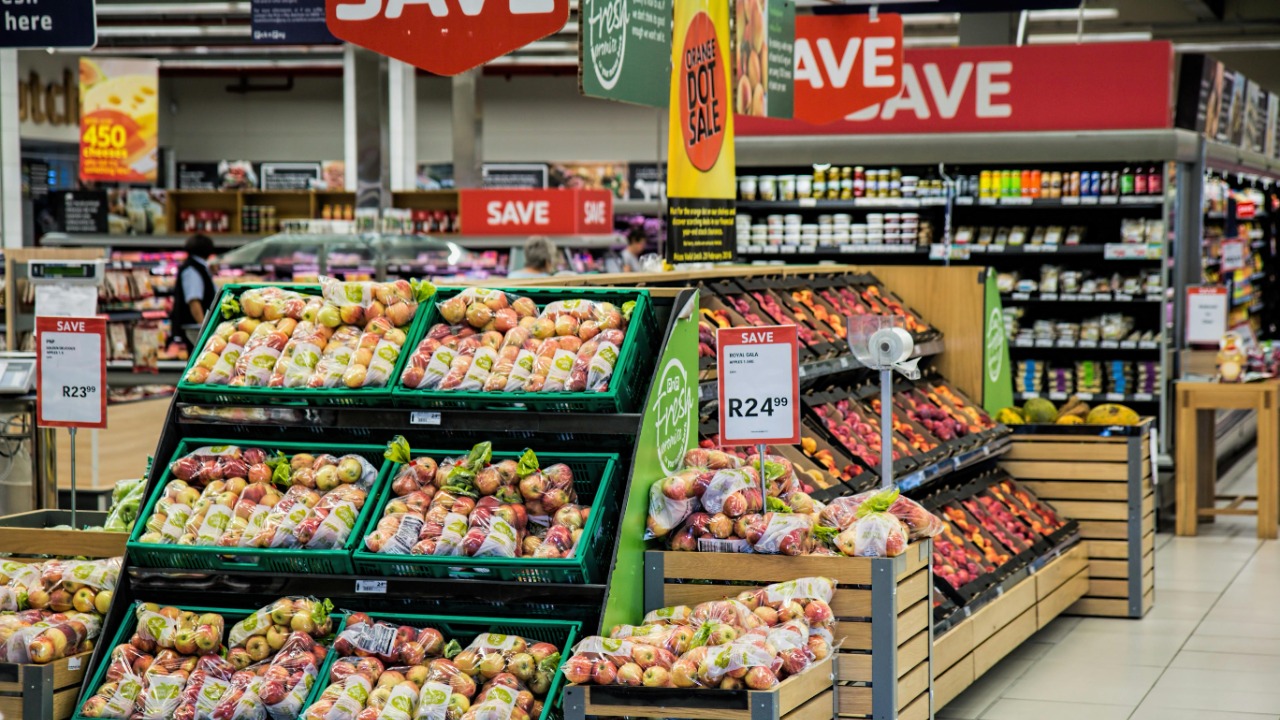
Timing your purchases around sales can lead to significant savings, especially for core staples like rice, beans, and pasta. By keeping an eye on store flyers and planning your shopping trips accordingly, you can stock up on these essentials when prices are at their lowest. This strategy not only helps you save money but also ensures that you always have the necessary ingredients on hand for your meals.
To maximize savings, consider using digital tools and apps that alert you to sales and discounts at your local grocery stores. These tools can help you plan your shopping trips more effectively, ensuring you purchase core staples like grains and canned goods at the best prices. Additionally, joining store loyalty programs can provide access to exclusive discounts and promotions, further reducing your grocery expenses.
4. Batch Cook Affordable Recipes

Batch cooking is a practical way to maximize your grocery budget. By preparing large quantities of affordable recipes in one session, you can create multiple meals that are ready to eat throughout the week. This method not only saves time but also reduces the temptation to order takeout or dine out, which can quickly deplete your budget. Focus on recipes that use inexpensive ingredients to get the most out of this strategy.
When batch cooking, focus on recipes that can be easily frozen and reheated, such as soups, stews, and casseroles. This not only saves time but also ensures you have healthy meals ready to go, reducing the temptation to spend on takeout. Consider setting aside a specific day each week for batch cooking to streamline your meal preparation process and maintain consistency in your budget management.
5. Track Daily Spending Limits

Monitoring your daily spending is essential for staying within your budget. By setting a daily limit of $4, you can keep track of your expenses and make adjustments as needed to avoid overspending. This practice encourages mindful spending and helps you identify areas where you can cut costs. Consistently tracking your spending is a key component of successful budget management.
Utilizing budgeting apps can simplify the process of tracking your daily spending. These apps allow you to set alerts for when you approach your daily limit, helping you stay accountable. Additionally, reviewing your spending patterns at the end of each week can provide insights into areas where you might improve your budgeting strategies, ensuring you remain within your financial goals.
6. Use Leftovers Creatively

Repurposing leftovers into new dishes is an excellent way to stretch your grocery budget. By getting creative with what you have on hand, you can reduce food waste and make the most of your purchases. Whether it’s turning last night’s dinner into a new lunch or combining various leftovers into a hearty soup, this approach can help you save money and add variety to your meals.
Consider incorporating leftovers into new recipes to add variety to your meals. For example, leftover roasted vegetables can be used in a frittata, while cooked grains can be transformed into a stir-fry. This not only prevents food waste but also encourages culinary creativity, allowing you to enjoy diverse meals without additional costs.
7. Focus on Seasonal Produce

Purchasing seasonal produce is a cost-effective way to enjoy fresh fruits and vegetables. Seasonal items are typically more affordable and flavorful, making them a great addition to your meal planning. By incorporating these ingredients into your recipes, you can enhance the nutritional value of your meals while keeping costs down. This strategy also supports local farmers and reduces the environmental impact of your food choices.
To make the most of seasonal produce, plan your meals around what is currently in abundance. This not only reduces costs but also ensures you are consuming the freshest and most flavorful ingredients. Additionally, consider preserving seasonal fruits and vegetables through canning or freezing, allowing you to enjoy them year-round without the premium price tag.
8. Avoid Processed Foods

Processed foods are often more expensive and less nutritious than whole foods. By opting for whole ingredients, you can stretch your budget further and improve the quality of your diet. Whole foods like grains, legumes, and fresh produce provide more nutrients per dollar and can be used in a variety of dishes. This approach not only saves money but also promotes better health.
Transitioning away from processed foods can be facilitated by preparing homemade versions of your favorite snacks and meals. This approach not only saves money but also allows you to control the ingredients, leading to healthier eating habits. Simple swaps, like making your own salad dressings or granola, can significantly reduce your grocery bill while enhancing the nutritional quality of your diet.
9. Buy in Small Bulk Quantities

Purchasing non-perishable items in small bulk quantities can lead to savings without overwhelming your storage space. Items like grains, pasta, and canned goods are often cheaper when bought in bulk, and they have a long shelf life. This strategy allows you to take advantage of lower prices while ensuring that you have essential ingredients available for your meals.
When buying in bulk, focus on items that you use frequently and have a long shelf life, such as spices, flour, and dried beans. This ensures that you are not only saving money but also reducing the frequency of your shopping trips. Additionally, consider sharing bulk purchases with friends or family to further reduce costs and minimize storage concerns.
10. Set Weekly Grocery Goals
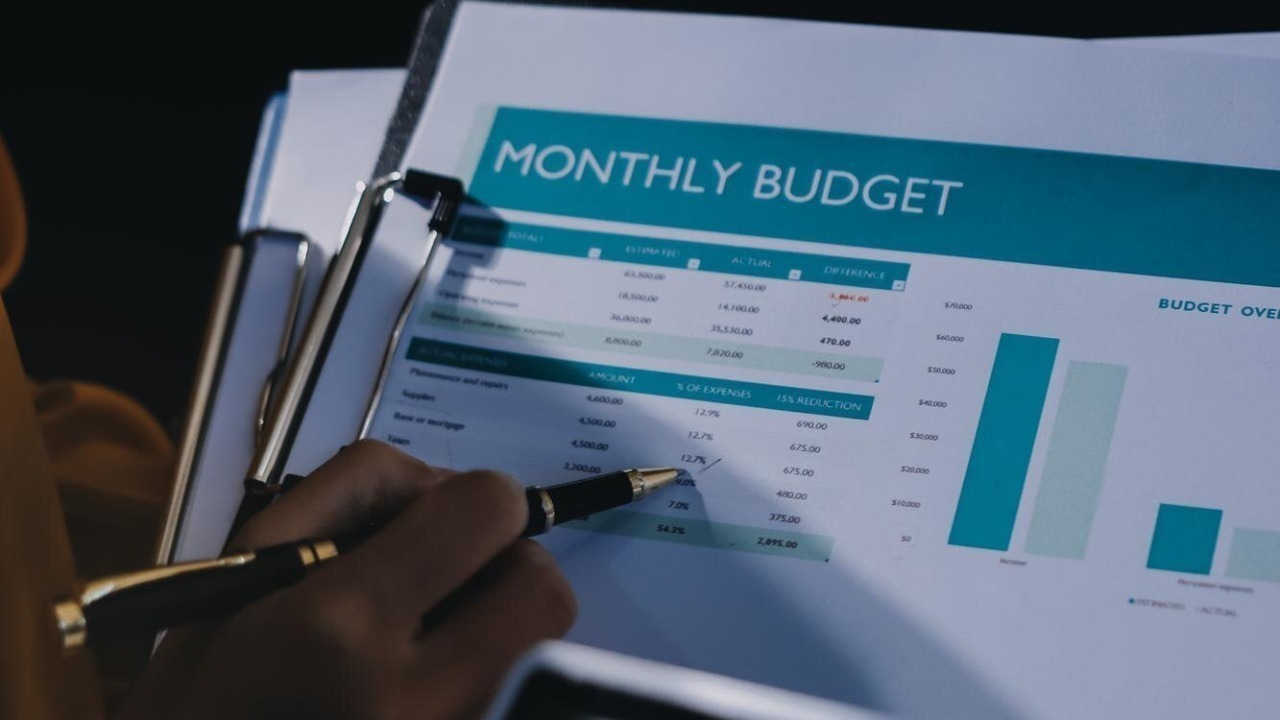
Establishing a weekly grocery budget can help you manage your expenses effectively. By setting clear goals and sticking to them, you can ensure that your spending aligns with your financial constraints. This practice encourages careful planning and helps you avoid unnecessary purchases, ultimately leading to more efficient use of your resources.
To effectively set weekly grocery goals, start by reviewing your previous spending patterns and identifying areas for improvement. Establish clear objectives, such as reducing impulse purchases or increasing the proportion of fresh produce in your diet. Regularly assessing your progress towards these goals can help maintain motivation and ensure that your grocery spending aligns with your overall financial plan.
11. Adjust for Family Portions

Feeding a family on a budget requires careful portion adjustments to accommodate everyone’s needs. By scaling recipes and using ingredients efficiently, you can provide nutritious meals without exceeding your budget. This approach is particularly important as grocery prices continue to rise. For more tips on feeding your family on a budget, visit Parents.
When adjusting portions for a family, consider using meal planning apps that allow you to scale recipes based on the number of servings needed. This ensures that you are purchasing the right amount of ingredients, reducing waste and keeping costs in check. Additionally, involving family members in meal planning can help tailor meals to everyone’s preferences, making it easier to stick to a budget.
12. Apply Proven Hacks Efficiently
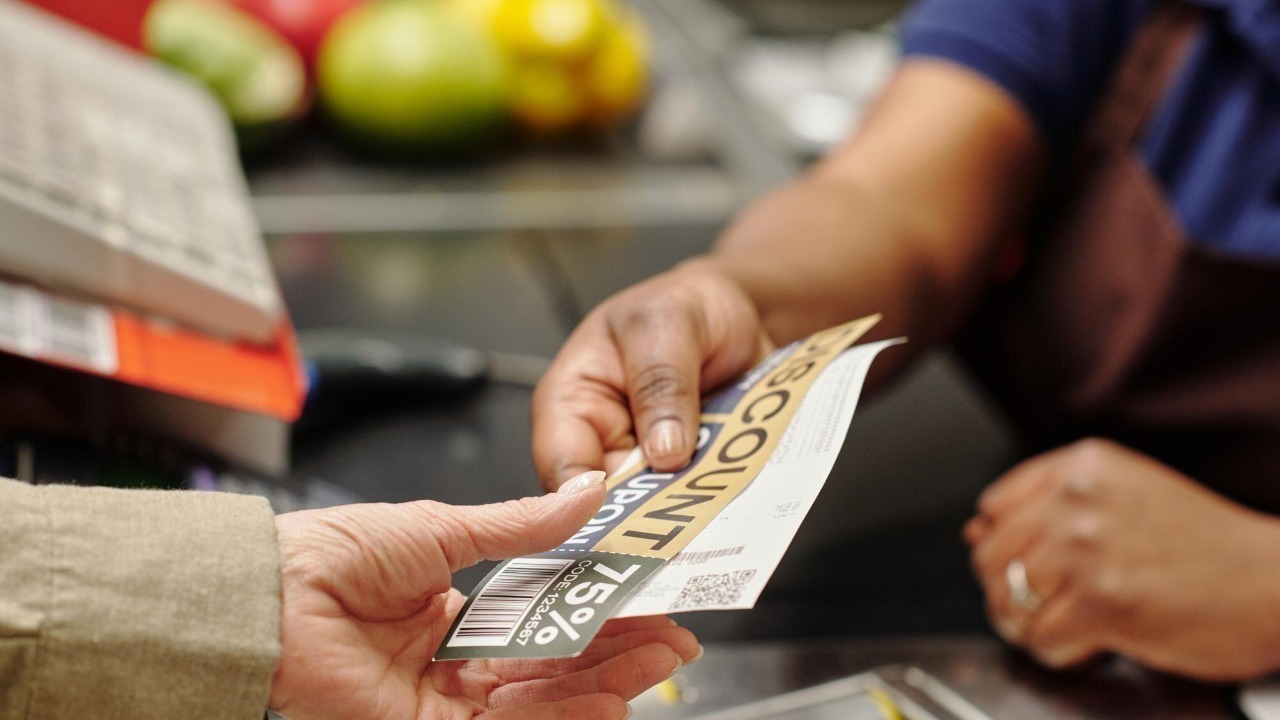
Utilizing proven grocery budget hacks can lead to significant savings. Techniques such as using coupons, shopping at discount stores, and taking advantage of loyalty programs can reduce your overall expenses. By applying these strategies efficiently, you can maximize your savings and make your budget go further. For a list of effective hacks, check out Money Talks News.
To maximize the benefits of grocery budget hacks, create a system for organizing coupons and tracking store promotions. This can involve setting up a dedicated space in your home for coupon storage or using digital tools to manage discounts. By staying organized, you can ensure that you are taking full advantage of available savings opportunities, leading to more effective budget management.
13. Layer Multiple Hacks

Combining multiple budget hacks can amplify your savings and provide compounded relief to your grocery expenses. By layering techniques such as price matching, using cashback apps, and buying in bulk, you can create a comprehensive approach to budget management. This method requires some planning and organization, but can lead to substantial financial benefits over time.
To effectively layer multiple budget hacks, start by identifying which strategies work best for your shopping habits. For example, combining price matching with cashback apps can provide immediate savings and long-term benefits. Regularly reviewing and adjusting your approach based on changing store policies or new savings opportunities can further enhance your grocery budget strategy.
14. Compare Brand Options

Evaluating the cost differences between store brands and name brands can lead to immediate savings on your grocery bill. Often, store brands offer similar quality at a lower price, making them a smart choice for budget-conscious shoppers. By comparing options and choosing the more affordable alternative, you can reduce your expenses without sacrificing quality. For more insights, visit ABC15.
When comparing brand options, consider conducting taste tests with family members to determine if store brands meet your quality standards. This can help alleviate concerns about switching from name brands and ensure that everyone is satisfied with the change. Additionally, researching product reviews online can provide insights into the quality and value of different brand options.
15. Switch to Store Brands

Switching to store brands is a straightforward way to cut costs on your grocery bill. Many store brands offer comparable quality to name brands at a fraction of the price. By making this switch, you can achieve immediate savings and stretch your budget further. This strategy is particularly effective for staple items like cereals, canned goods, and household products.
To ease the transition to store brands, start by replacing a few items at a time and monitoring the impact on your grocery bill. This gradual approach allows you to assess the quality of store brands without feeling overwhelmed. Over time, you may find that many store brand products offer comparable quality to name brands, making them a valuable addition to your budget-conscious shopping strategy.
16. Plan Meals Around Travel

Planning meals around travel can minimize food expenses during vacations. By preparing meals in advance and bringing snacks, you can reduce the need to dine out, which can be costly. This strategy not only saves money but also ensures that you have access to nutritious meals while on the go. It requires some preparation, but can lead to significant savings during your trips.
To effectively plan meals around travel, create a menu that includes portable and non-perishable items, such as sandwiches, trail mix, and dried fruit. This ensures that you have access to nutritious options while on the road, reducing the need to purchase expensive convenience foods. Additionally, consider booking accommodations with kitchen facilities, allowing you to prepare meals and further reduce dining expenses.
17. Integrate Vacation Savings

Integrating grocery savings into your vacation budget can enhance your travel experience without overspending. By applying the same budgeting principles used for groceries to your travel plans, you can allocate funds more effectively. This approach allows you to enjoy your trips without compromising your financial goals, providing a balanced and enjoyable experience.
Integrating vacation savings into your overall financial plan involves setting clear travel goals and regularly contributing to a dedicated savings account. This approach ensures that you are consistently working towards your vacation objectives without impacting your day-to-day budget. Additionally, consider using budgeting apps to track your progress and make adjustments as needed, ensuring that your travel plans remain financially feasible.

Cole Whitaker focuses on the fundamentals of money management, helping readers make smarter decisions around income, spending, saving, and long-term financial stability. His writing emphasizes clarity, discipline, and practical systems that work in real life. At The Daily Overview, Cole breaks down personal finance topics into straightforward guidance readers can apply immediately.

