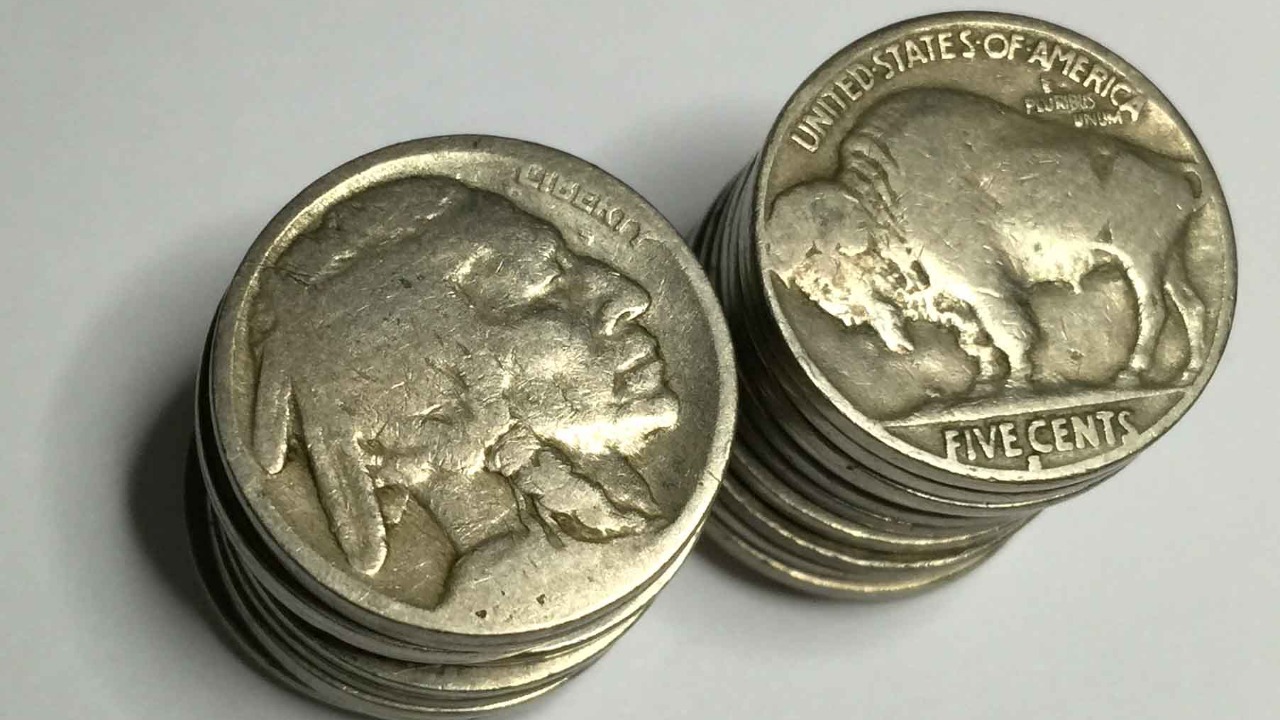
Buffalo nickels, also known as Indian Head nickels, are a fascinating part of American numismatic history. Originally minted from 1913 to 1938, these coins have become highly sought after by collectors, with certain rare specimens fetching thousands of dollars. We’ll explore the history, key features, and tips for identifying valuable buffalo nickels.
History and Significance of Buffalo Nickels
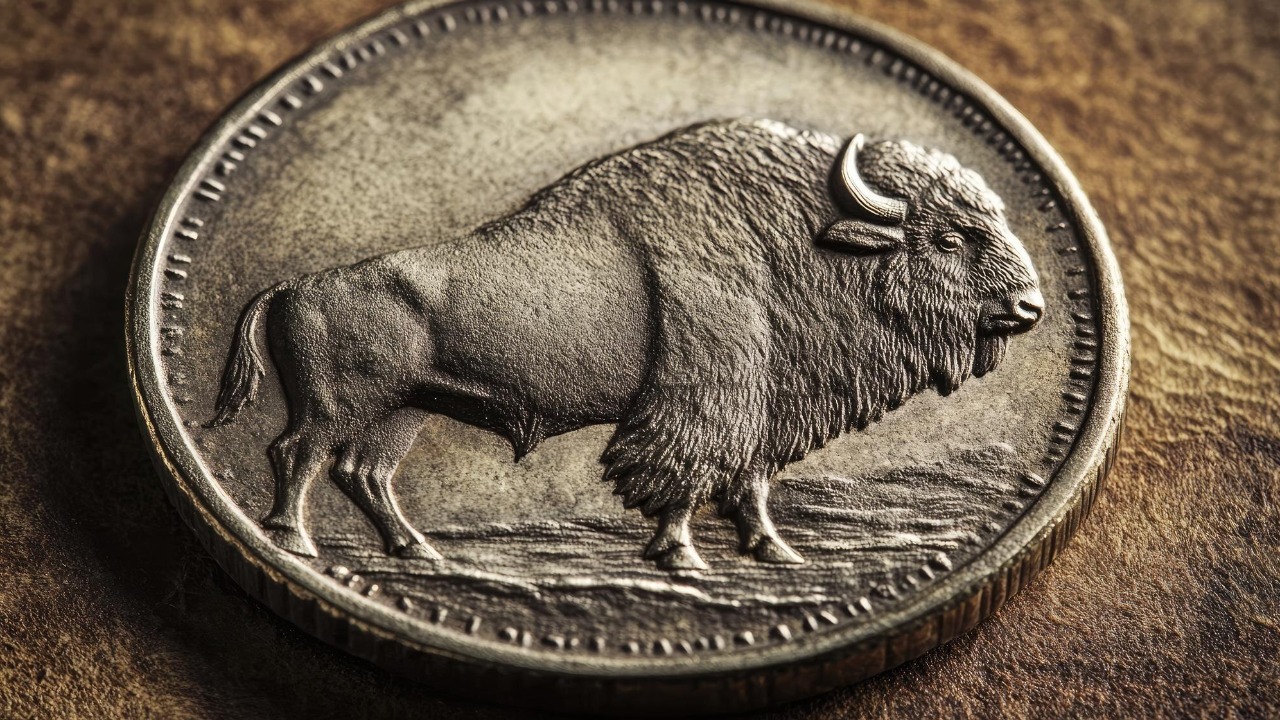
The inception of the buffalo nickel marked a significant moment in the U.S. Mint’s history. Introduced in 1913, this coin was designed by sculptor James Earle Fraser. The design features a composite portrait of Native American chiefs, including Iron Tail, Two Moons, and Big Tree, on one side, and an American bison on the other. This imagery not only captured the spirit of the American frontier but also paid homage to the indigenous cultures and wildlife prevalent during that era. The buffalo nickel’s design stood in stark contrast to its predecessors, which featured more classical and European-influenced imagery.
Beyond its design, the coin encapsulates the cultural ethos of early 20th-century America. During its production run, the United States was experiencing profound changes, including industrialization, the expansion of the railway system, and the closing of the American frontier. The buffalo nickel became a symbol of this transformative period, reflecting both the rugged individualism and the rich natural heritage of the country. The transition to the Jefferson nickel in 1938 marked the end of an era, driven by the need for a more streamlined minting process and a design change that aligned with modern sensibilities.
Identifying Valuable Buffalo Nickels
Identifying valuable buffalo nickels involves more than just a cursory glance. Key dates and mint marks play a crucial role in determining a coin’s worth. For example, the 1918/7-D overdate is one of the most sought-after variants, where a ‘7’ is visibly stamped over an ‘8’. Another notable example is the 1936-D 3 1/2 legs variety, which features a buffalo with a partial front leg due to a minting error. These unique characteristics can significantly increase a coin’s value in the eyes of collectors.
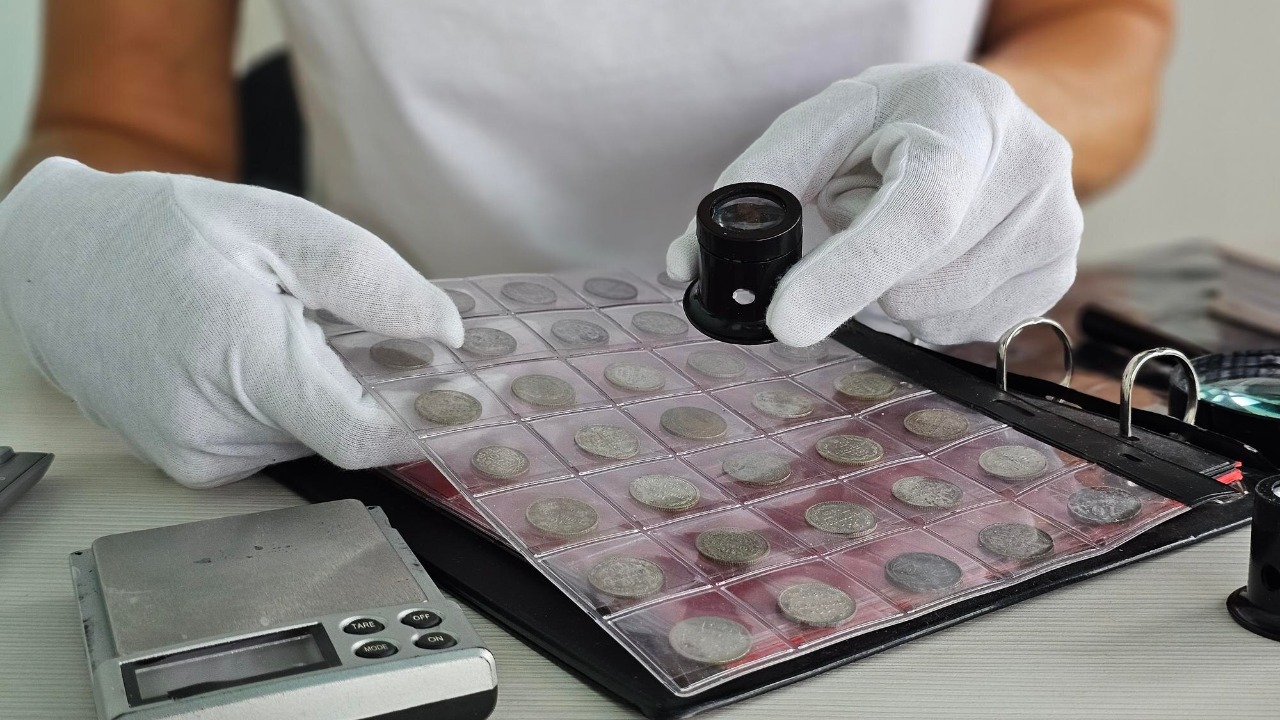
In addition to date and mint mark, a coin’s condition is paramount. Grading systems, such as those employed by the Professional Coin Grading Service (PCGS), assess coins based on factors like wear, luster, and overall appearance. A buffalo nickel in pristine condition, with details like a full horn on the buffalo visible and minimal wear, can fetch a much higher price than one that’s been heavily circulated. Collectors often seek out coins with these qualities, as they represent the pinnacle of preservation for this historic series.
Factors Influencing Buffalo Nickel Values
Several factors influence the value of buffalo nickels, with market demand being a primary driver. As more collectors enter the field, the competition for rare and high-quality specimens intensifies, driving up prices. Recent trends have shown a renewed interest in early American coinage, particularly those with unique historical stories and designs. This surge in interest has contributed to rising values, making buffalo nickels an attractive investment for many.
Rarity and scarcity are also critical factors in a buffalo nickel’s value. Coins with low mintage numbers or those that have survived in limited quantities can command substantial premiums. For example, the 1926-S buffalo nickel is known for its low mintage and is highly coveted by collectors. Authenticity verification is essential in this context. With the prevalence of counterfeits, collectors must ensure their coins’ legitimacy. Consulting professional grading services and using methods like weight measurement and detailed visual inspection can help authenticate a coin’s origins.
Where to Find and Sell Buffalo Nickels

For those looking to acquire or sell buffalo nickels, there are several avenues to explore. Coin dealers and numismatic shows offer a traditional route. These venues provide opportunities to inspect coins firsthand and engage with knowledgeable experts who can verify a coin’s authenticity and condition. Engaging with reputable dealers offers peace of mind and the assurance of acquiring genuine pieces.
Online platforms and auction sites have become increasingly popular for buying and selling buffalo nickels. Websites like eBay and Heritage Auctions provide a vast marketplace for collectors. However, conducting secure transactions is crucial. It’s advisable to research sellers thoroughly and use payment methods that offer buyer protection. Networking with other collectors through numismatic clubs and online communities can also be invaluable. These connections can lead to opportunities for acquiring rare coins and gaining insights into market trends. Visit UnionRayo for more insights on American coin history.
Preserving and Protecting Your Buffalo Nickels
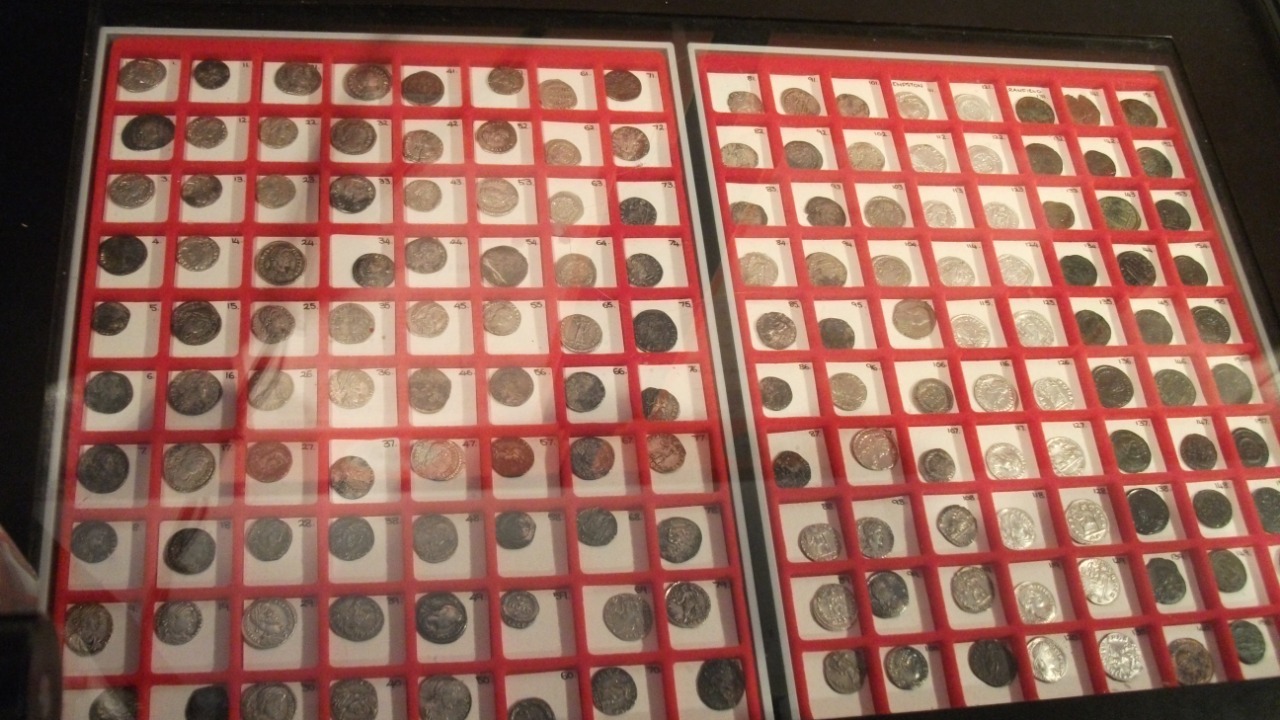
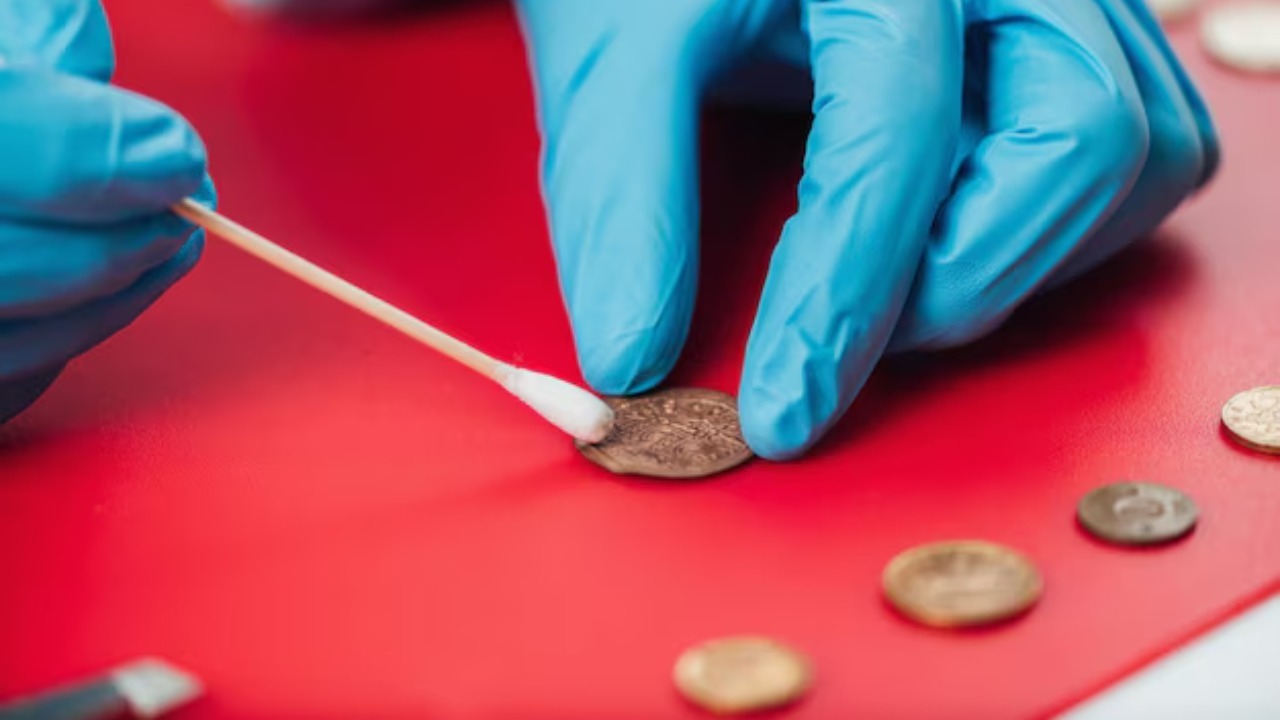
Proper preservation is vital for maintaining the value of buffalo nickels. Coins should be stored in a controlled environment, away from moisture and temperature fluctuations. Using holders or albums designed specifically for coins can protect them from physical damage while allowing for easy viewing. Avoid cleaning coins, as this can lead to scratches or loss of patina, which can significantly reduce their value.
Handling coins with care is equally important. Using cotton gloves can prevent fingerprints and oils from coming into contact with the coin’s surface. For those with valuable collections, insuring the coins can provide financial protection against loss or damage. Maintaining detailed records, including purchase receipts and grading certificates, is also advisable. These documents can facilitate future appraisals or sales. For more tips on identifying valuable nickels, check out GoBankingRates.

Cole Whitaker focuses on the fundamentals of money management, helping readers make smarter decisions around income, spending, saving, and long-term financial stability. His writing emphasizes clarity, discipline, and practical systems that work in real life. At The Daily Overview, Cole breaks down personal finance topics into straightforward guidance readers can apply immediately.

