
Credit cards are convenient financial tools, but they can also be costly if not managed wisely. Many people make expensive credit card mistakes without even realizing it, leading to unnecessary fees and interest charges. Understanding these common pitfalls can help you avoid them and save money.
1. Neglecting to Pay Off the Full Balance Each Month

When you only pay the minimum balance on your credit card each month, you accrue interest on the remaining balance. This can quickly add up, especially with high-interest rates. For instance, if you have a balance of $1,000 with an 18% interest rate, it could take years to pay off the debt if you only make minimum payments. By paying the full balance, you avoid interest charges altogether.
Budgeting monthly expenses to ensure you can pay off your credit card in full can help maintain financial health. If unexpected expenses arise, consider adjusting your spending habits or using savings to avoid carrying a balance into the next month.
2. Overlooking Annual Fees on Unused Cards

Many credit cards charge annual fees, which can be as high as $500 for premium cards. If a card is not providing benefits that justify its annual fee, consider downgrading to a no-fee version or canceling it altogether. Review your credit card statements to ensure you’re not paying for cards you don’t actively use.
Keeping multiple cards open can also affect your credit score, making it important to assess whether each card is truly beneficial. A good practice is to conduct an annual review of all credit cards in your wallet and evaluate their relevance to your current financial goals.
3. Failing to Monitor Your Credit Card Statements Regularly

Regularly reviewing your credit card statements is crucial for catching unauthorized charges or errors. Many people overlook this step, assuming everything is correct. This can result in paying for fraudulent charges or mistakes that could have been disputed.
Utilize mobile apps or online banking to set up alerts for transactions over a certain amount. This proactive approach allows you to quickly address any discrepancies, ensuring your account is accurate. Additionally, regularly monitoring your statements helps you to better understand your spending habits and make informed financial decisions.
4. Ignoring Introductory Interest Rates and Terms

Introductory offers, such as 0% APR for a limited time, can be enticing. However, many people fail to note when these offers expire, leading to unexpected interest charges. It’s important to mark the end date of promotional rates on your calendar to avoid surprises.
Before signing up for a card with introductory offers, read the terms and conditions carefully. Be aware of what the rate will change to after the introductory period and plan accordingly to pay off as much of the balance as possible before the new rate takes effect.
5. Missing Out on Reward Points and Cashback Opportunities

Many credit cards offer rewards programs that provide points or cashback on purchases. However, these benefits are often underutilized by cardholders. Make sure to understand how your card’s rewards system works and maximize your benefits by using the card for purchases that earn the most rewards.
Some cards offer rotating categories that change every quarter, such as grocery stores or gas stations. By paying attention to these categories, you can strategically use your card to maximize rewards. Additionally, consider combining reward points with other loyalty programs for greater savings.
6. Exceeding Your Credit Limit Frequently

Regularly exceeding your credit limit can result in costly fees and negatively impact your credit score. Credit utilization, or the amount of credit you’re using compared to your total limit, is a significant factor in determining your credit score.
Keeping your credit utilization below 30% is advised. For example, if your credit limit is $5,000, try to keep your balance under $1,500 at all times. If you find yourself consistently near or over your limit, it may be time to reassess your spending habits or request a credit limit increase.
7. Applying for Too Many Credit Cards at Once
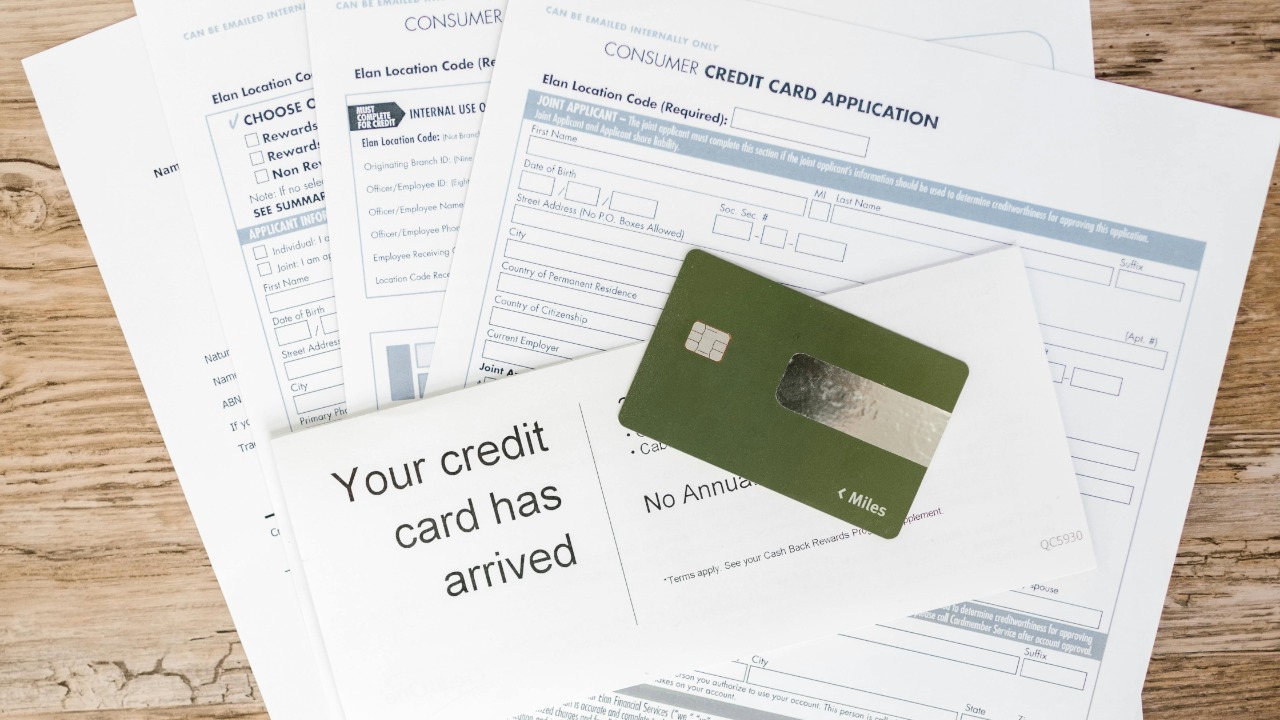
While it may be tempting to apply for multiple credit cards to take advantage of different benefits, doing so can hurt your credit score. Each application results in a hard inquiry on your credit report, which can lower your score temporarily.
Instead, be selective about the cards you apply for, focusing on those that best align with your spending habits and financial goals. Consider using resources like credit card comparison tools to evaluate your options and make informed decisions.
8. Not Understanding the Impact of Foreign Transaction Fees

Whenever you use your credit card abroad or purchase from foreign websites, you might incur foreign transaction fees, typically ranging from 1% to 3% of the purchase amount. These fees can add up quickly if you travel often or frequently shop internationally.
To avoid these fees, consider using credit cards that waive foreign transaction charges or opting for local currency payments when shopping abroad. Additionally, understanding the currency conversion rates can help you make more cost-effective purchasing decisions.

Cole Whitaker focuses on the fundamentals of money management, helping readers make smarter decisions around income, spending, saving, and long-term financial stability. His writing emphasizes clarity, discipline, and practical systems that work in real life. At The Daily Overview, Cole breaks down personal finance topics into straightforward guidance readers can apply immediately.

