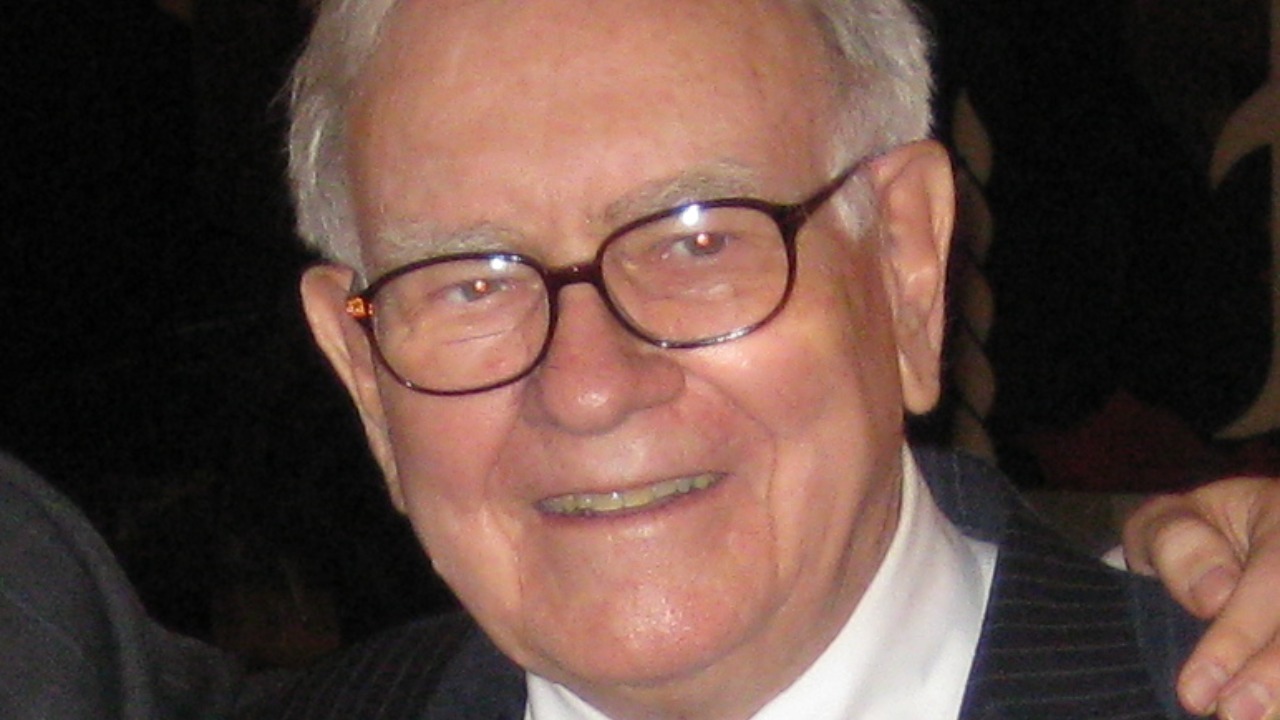
Warren Buffett has finally pulled the trigger on the kind of industrial deal many value investors have been waiting for, paying $9.7 billion to bring Occidental’s chemicals arm, OxyChem, into the Berkshire fold. The price tag is big, but the structure, timing and strategic fit have professionals arguing that this is one of the most finely calibrated transactions of his career. As I see it, the acquisition locks in durable cash flows, simplifies a complex relationship with Occidental and quietly sets up Berkshire for a smoother handoff to its next generation of leaders.
The anatomy of a $9.7 billion swing
The basic contours of the transaction are straightforward: Occidental agreed to sell its OxyChem business to Berkshire Hathaway for $9.7 billion in cash, a move that was flagged in energy circles well before closing. Reporting on the deal describes Occidental using the proceeds to strengthen its balance sheet while handing full control of the chemicals unit to Berkshire, which has long preferred entire operating businesses over minority stakes in cyclical sectors. The sale was highlighted as a major portfolio shift for Occidental, which had been weighing how best to unlock value from its chemicals arm while still funding its core oil and gas ambitions.
Occidental later confirmed from HOUSTON that it had completed the sale of its chemical business, OxyChem, to Berkshire, noting that the final consideration remained subject to customary purchase price adjustments. In its own language, Occidental framed the divestiture as a completed step in its broader portfolio strategy, and a related notice from HOUSTON emphasized that Occidental, listed as NYSE: OXY, had fully exited the chemicals unit while retaining its upstream and low-carbon ventures. That second statement, which again underscored the HOUSTON base of operations for Occidental, made clear that OXY is now a pure-play energy and carbon management story, with chemicals handed off entirely to Berkshire.
Why pros see a “genius” structure
What has seasoned investors buzzing is not just the price, but how neatly the deal fits Buffett’s long-standing playbook. Analysts have described Berkshire Hathaway’s purchase of Occidental’s chemicals business as a strategic move that secures a stable, cash-generating industrial asset at a valuation that looks attractive against long term demand for PVC, caustic soda and other OxyChem staples. One detailed breakdown of Berkshire Hathaway’s $9.7 OxyChem Bet argued that the transaction checks the classic boxes of a Buffett deal, from strong free cash flow to a defensible competitive position, while also aligning with the capital allocation philosophy that What Warren Buffett has championed for decades.
Several investing experts have gone further, explicitly calling the OxyChem acquisition a brilliant move that could deliver more than $1 billion annually in operating earnings for Berkshire once fully integrated. A detailed analysis of why Buffett’s $9.7B OxyChem buy is brilliant framed the transaction as a textbook example of turning Berkshire’s cash pile into a high quality, inflation resistant income stream, and it noted that this logic still holds even with the added complexity of Buffett eventually departing as CEO. In that context, I see the praise from professionals as grounded in the numbers, not just in Buffett’s reputation, and it is echoed in commentary that describes the deal as a “genius” win for investing experts who focus on Berkshire’s long term compounding power.
Buffett’s late career swing and the post-Buffett era
Part of what makes this transaction so closely watched is its timing in Buffett’s career. Commentators have suggested that Warren Buffett’s Berkshire Hathaway may have scored a “genius” win win in a roughly $10 billion style acquisition of Occidental’s chemicals business, and some have speculated that it could mark the last truly large industrial deal of his tenure. One widely cited analysis of Warren Buffett’s Berkshire Hathaway argued that the OxyChem move sits alongside earlier big swings like the purchase of insurance player Alleghany, reinforcing the idea that Buffett is still willing to commit serious capital when he sees a clear margin of safety, even as succession planning accelerates at Berkshire Hathaway.
At the same time, the OxyChem deal is being read as a confidence test for Berkshire’s next generation of leaders. Abel, the longtime Berkshire vice chairman of noninsurance operations, has been publicly associated with the transaction, and reporting notes that Abel praised the OxyChem deal and Oxy CEO Vicki Hollub in internal discussions. One detailed feature on Abel and Berkshire suggested that the acquisition could generate more than $1 billion annually in earnings, a figure that would give Abel and his team a substantial industrial profit engine to oversee once Buffett steps back. In my view, that is why some coverage of Buffett’s latest move frames OxyChem as both a capstone to his own dealmaking and a proving ground for the executives who will run Berkshire after him.
How the deal reshapes Occidental and Berkshire
For Occidental, the sale is more than a portfolio tweak, it is a strategic reset. The company has been under pressure to manage debt and fund capital intensive oil and low carbon projects, and monetizing OxyChem at a full price gives it room to do both. A detailed note on Occidental sells OxyChem to Berkshire Hathaway for $9.7 billion described how the transaction, announced from HOUSTON, would allow Occidental to redeploy capital into its core energy operations while simplifying its corporate structure. That same analysis of Occidental’s sale underscored that the $9.7 billion price tag was a meaningful chunk of value crystallized from a noncore business.
On Berkshire’s side, the acquisition plugs directly into its industrial and energy ecosystem. A summary of Berkshire Hathaway Inc completing the acquisition of OxyChem from OMAHA, Neb, noted that the chemicals business would sit alongside other manufacturing and energy holdings inside the conglomerate, with OxyChem president and CEO Rob Alleman expected to continue leading the unit. Another overview of how Berkshire Hathaway Inc completes acquisition of OxyChem explained that the transaction was funded from Berkshire’s enormous cash pile, with the deal structured to cover all related expenses while still leaving the company with tens of billions in liquidity. When I look at those details, I see a classic Berkshire pattern, using its balance sheet strength to buy a whole business outright, keep existing management in place and fold the earnings into a diversified industrial portfolio anchored in OMAHA, Neb.
Why the market is treating OxyChem as a masterclass
Market watchers are already slotting the OxyChem purchase into a broader narrative about Buffett’s ability to turn complex relationships into simple, high return structures. One early report on Berkshire Hathaway Buys Occidental’s OxyChem For $9.7 Billion, described as Buffett’s Largest Deal In Years, emphasized that the transaction was not a speculative bet on commodity prices but a calculated move into a business with recurring demand and pricing power. The same coverage, written by Roush and flagged as Forbes Staff, highlighted that Berkshire Hathaway Buys Occidental at a scale that would move the needle on group earnings, which is no small feat for a company of Berkshire’s size. In my reading, that is why professionals keep pointing to the $9.7 Billion figure as a feature, not a bug, of a deal that is large enough to matter but still comfortably financed from Berkshire’s cash.
More From The Daily Overview

Grant Mercer covers market dynamics, business trends, and the economic forces driving growth across industries. His analysis connects macro movements with real-world implications for investors, entrepreneurs, and professionals. Through his work at The Daily Overview, Grant helps readers understand how markets function and where opportunities may emerge.

