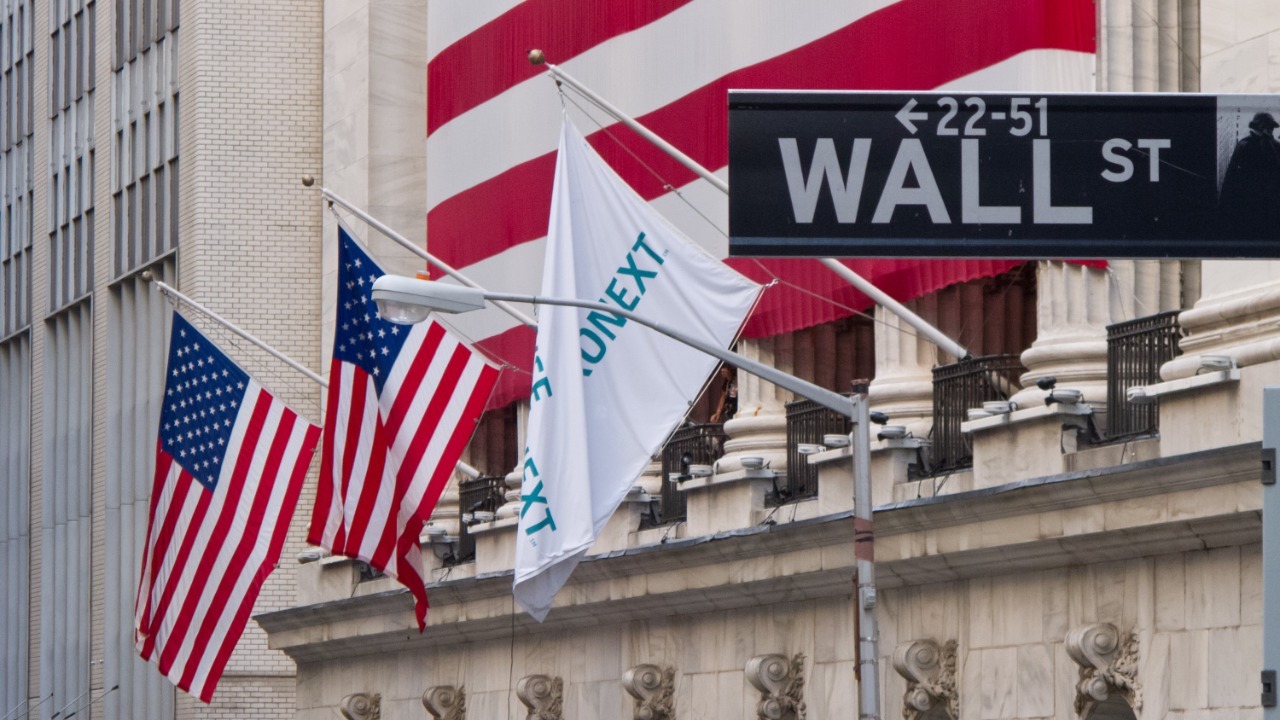
President Donald Trump’s demand for a one year, 10% ceiling on credit card interest has turned a long running fight over plastic into a direct clash between the White House and Wall Street. The proposal, framed as a way to protect households from soaring borrowing costs, now threatens a core profit engine for the country’s biggest banks and card issuers. As the deadline the president set for companies to comply approaches, the industry is scrambling for answers and leverage while consumers watch to see whether relief or tighter credit lies ahead.
The standoff comes at a moment when card borrowing is both ubiquitous and expensive, with lenders leaning on double digit rates to offset losses and fund generous rewards programs. Trump’s move forces a reckoning over who should bear the cost of that system, and whether the government can, or should, dictate the price of unsecured consumer credit in a high rate economy.
The 10% cap that jolted a $1.21 trillion market
Trump has floated a one year cap that would limit credit card interest to 10%, a dramatic cut from current averages that often run well into the twenties. In remarks earlier this month, the president said he was not “going to let it happen” that Americans pay far higher rates on revolving balances, turning what had been a policy idea into a public ultimatum backed by the power of the presidency, as detailed in coverage of Trump. The administration has described the move as a temporary emergency measure, with Trump telling card companies that, effective in late January, he expects them to bring rates down or face consequences, a threat that has been underscored in reporting on his Reuters remarks.
The stakes are enormous because credit card debt in the United States now exceeds $1.21 trillion, and about 37 percent of American households carry a balance from month to month. President Trump’s aides have framed the cap as a way to redirect billions of dollars in interest back into family budgets, a pitch that has been amplified in consumer focused explainers on how a 10% cap could affect cardholders.
Wall Street’s revolt and a market on edge
Big banks reacted almost instantly, warning that the proposal would upend their business models and potentially backfire on the very borrowers Trump says he aims to protect. Financial stocks fell after the announcement as investors tried to price in the risk that a large slice of card interest income could vanish, a selloff that analysts tied directly to Trump’s comments in coverage of Wall Street. Bank executives have argued that such a low ceiling on unsecured credit would force them to pull back lending to higher risk customers or raise fees elsewhere, a message that has been repeated in detailed warnings that Trump’s Credit Card Rate.
Some of the sharpest criticism has come from top executives who rarely break publicly with a sitting president from their own party. Bank of America CEO Brian Moyniha has been cited among the leaders pushing back, with reports describing how More Wall Street leaders have blasted the plan as unworkable. Investors were quick to respond as well, with one analysis noting that Trump’s credit card threats “rain on big banks’ earnings parade,” a phrase that captured how his comments overshadowed otherwise solid quarterly results in the Takeaways from bank earnings.
Inside the banks’ legal and political playbook
Behind the scenes, large lenders are preparing for a drawn out fight over how, and even whether, the cap can be imposed. Wall Street analysts have already pointed out that a binding nationwide ceiling would likely require congressional action, not just presidential pressure, a view that has fueled skepticism about the cap actually taking effect in the analyst community. Many Republicans on Capitol Hill have also broken with the president, with reporting noting that Many Republicans are flatly rejecting the idea of government imposed price controls on card lending.
At the same time, bank executives are signaling that they will not simply accept unilateral demands from the White House. In a call with reporters on Tuesday, JPMorgan’s Chief Financial Officer Jeffrey Barnum indicated the industry was willing to fight and was waiting for Trump’s next move, a stance described in detail in coverage of the Tuesday briefing. Other reporting notes that JPMorgan also recently acquired the Apple Card portfolio from Goldman Sachs, and that Mark Mason, Citigroup’s chief financial officer, has been fielding questions about how his bank would respond, details that underscore how deeply the cap debate cuts into the strategies of Apple Card issuers.
Consumers caught between relief and tighter credit
For households, the promise of a 10% ceiling is straightforward: lower interest on existing balances and potentially faster paths out of debt. Analysts have walked through examples showing that people with fair or good credit could see meaningful savings over a year if their rates dropped to the proposed level, with one breakdown noting that such borrowers could enjoy hundreds of dollars in interest savings. President Trump’s allies have leaned on those kinds of examples to argue that the cap is a necessary corrective after years in which the average card rate climbed far faster than benchmark borrowing costs, a trend that has been highlighted in reporting on the average interest rate on credit cards.
The risk, as banks and some economists see it, is that a hard ceiling would prompt lenders to tighten standards, cut limits, or scale back rewards, leaving marginal borrowers with less access to credit just as they are struggling with inflation. Analysts at one personal finance outlet have warned that if the 10% rate cap becomes reality, it will likely be harder to get approved for new cards and that issuers could respond with higher annual fees, a scenario laid out in detail in their look at what could happen if Trump’s 10% credit card cap gets approved. Consumer law specialists have also flagged legal and operational questions, with one analysis noting that on January 9, 2026, President Trump’s announcement raised a host of Key considerations around state usury laws, existing contracts, and the role of federal regulators.
A looming deadline and a test of presidential leverage
As the date Trump set for companies to comply approaches, the White House has doubled down on its expectation that the industry will bend. White House Press Secretary Karoline Leavitt has said the president has “an expectation” that credit card companies will accede to his wishes and has hinted at possible retaliation against those that do not, a stance described in detail in coverage quoting White House Press. Separate reporting has described how, as Trump’s deadline for a credit card rate cap looms, banks have only questions and no answers, with executives and trade groups unsure what specific legal mechanism the administration plans to use, a sense of confusion captured in accounts of how As Trump presses the industry.
Inside the administration, there are signs of improvisation as advisers look for ways to translate the president’s rhetoric into concrete action. One Trump adviser has floated the idea of “Trump cards” that would carry a 10% interest rate without a formal legislative cap, suggesting a possible workaround that would rely on voluntary participation by issuers, an idea described in reporting by Sophie Brams. At the same time, online forums where economists and market watchers gather have lit up with debate, with one widely shared discussion noting that some of America’s top banks are pushing back hard and warning that aggressive caps could depress their chance of growth, a sentiment captured in a thread where Some of America’s biggest lenders are dissected in real time.
More From The Daily Overview

Cole Whitaker focuses on the fundamentals of money management, helping readers make smarter decisions around income, spending, saving, and long-term financial stability. His writing emphasizes clarity, discipline, and practical systems that work in real life. At The Daily Overview, Cole breaks down personal finance topics into straightforward guidance readers can apply immediately.

