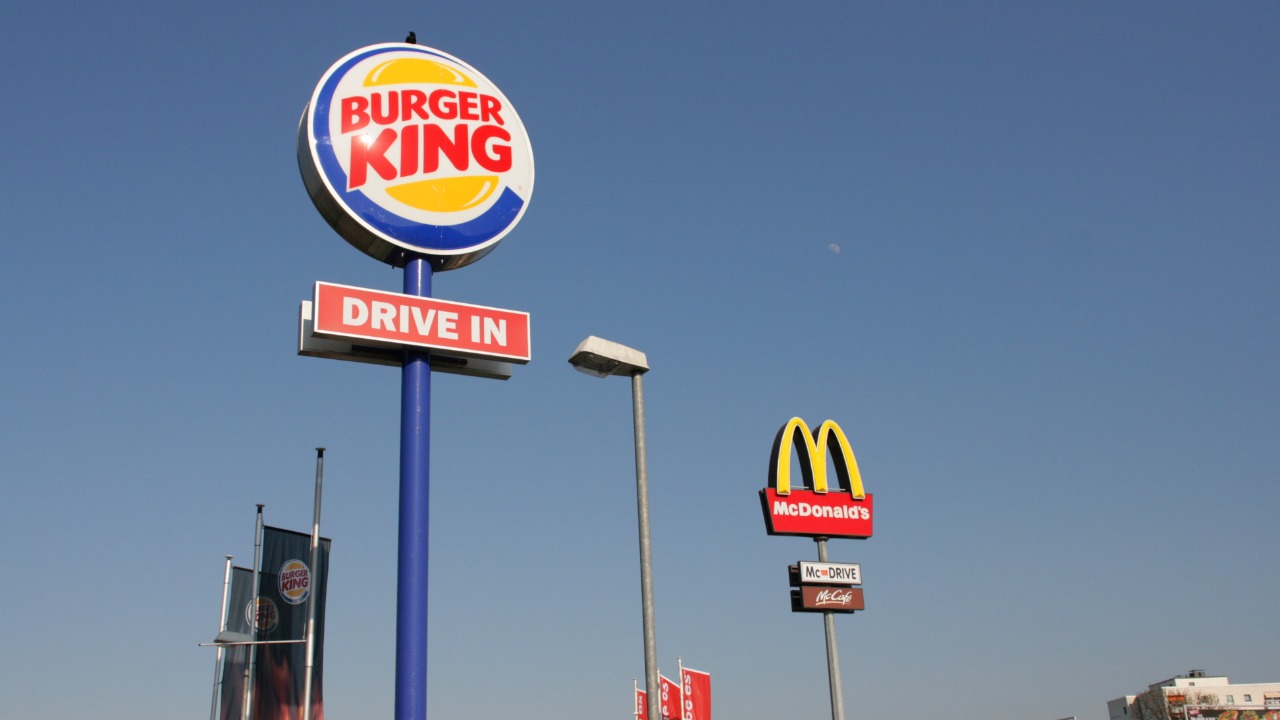
Burger King, in a bold move to outpace its rival McDonald’s, has unveiled a range of new menu items designed to captivate fast-food lovers. This strategic expansion aims to leverage unique flavors and innovative offerings to draw customers away from the Golden Arches and into the realm of the King.
Understanding the Fast-Food Rivalry
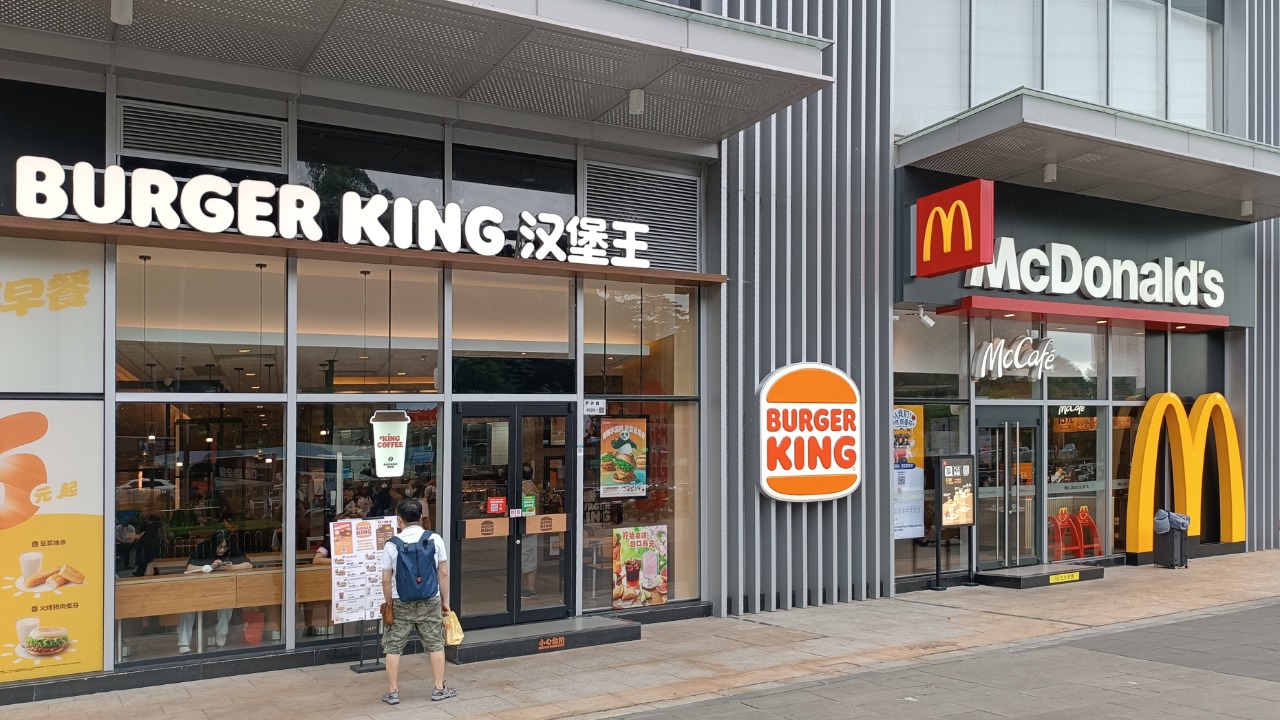
The competition between Burger King and McDonald’s is nothing short of legendary. Spanning several decades, this rivalry has seen both giants vying for dominance in the fast-food sector. Each has carved out a niche, with McDonald’s often leading the charge in terms of sheer global presence, while Burger King has prided itself on offering flame-grilled options that set it apart. The historical context of their competition offers valuable insights into how menu innovation has played a pivotal role in capturing market share.
Over the years, both companies have engaged in numerous menu wars, each introducing new items to entice customers. Past menu changes have often resulted in shifts in market dynamics, with one company’s success prompting the other to respond. This ongoing battle has underscored the importance of continuous menu innovation as a means to maintain a competitive edge in the industry.
Menu innovation is crucial for fast-food chains. With evolving consumer preferences and dietary trends, companies must not only keep up but also anticipate changes. Offering unique flavors and healthier options can differentiate one brand from another, giving them a significant advantage in the fast-paced fast-food market.
Burger King’s New Menu Additions
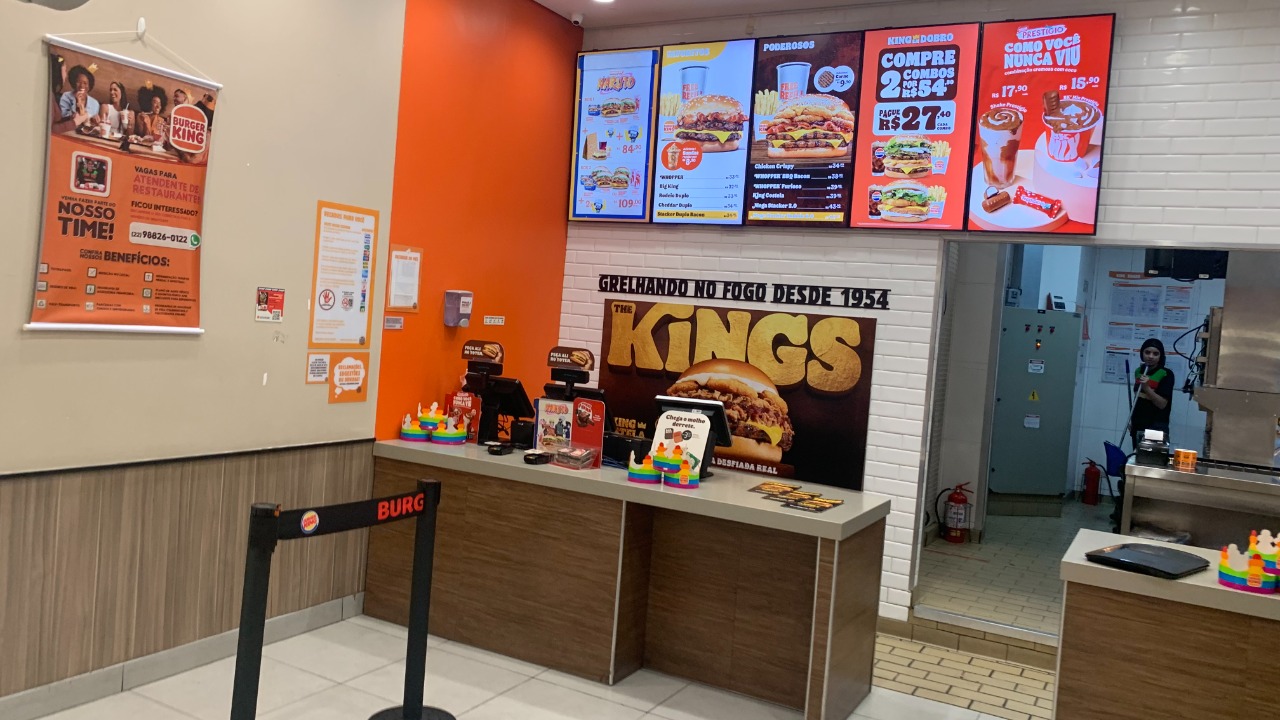
Burger King’s latest menu additions are nothing short of diverse and exciting. From plant-based options to gourmet-style burgers, the new entries are designed to appeal to a wide audience. Highlights include a revamped chicken sandwich line and innovative takes on classic burgers, ensuring there’s something for everyone. By focusing on a variety of flavors and textures, Burger King aims to cater to both traditional fast-food enthusiasts and those seeking something new.
The target audience for these menu items is broad but strategic. By introducing plant-based options, Burger King is reaching out to health-conscious consumers and vegetarians. Meanwhile, indulgent, gourmet-style burgers cater to those seeking a premium fast-food experience. This dual approach broadens the brand’s appeal and positions it as a versatile choice for diverse consumer needs.
Nutritional considerations are also at the forefront of Burger King’s new menu strategy. By offering healthier options alongside indulgent choices, the brand is acknowledging the growing demand for nutritious fast-food alternatives. This balanced approach not only attracts a wider customer base but also aligns with broader trends in the food industry.
Marketing Strategies and Consumer Engagement
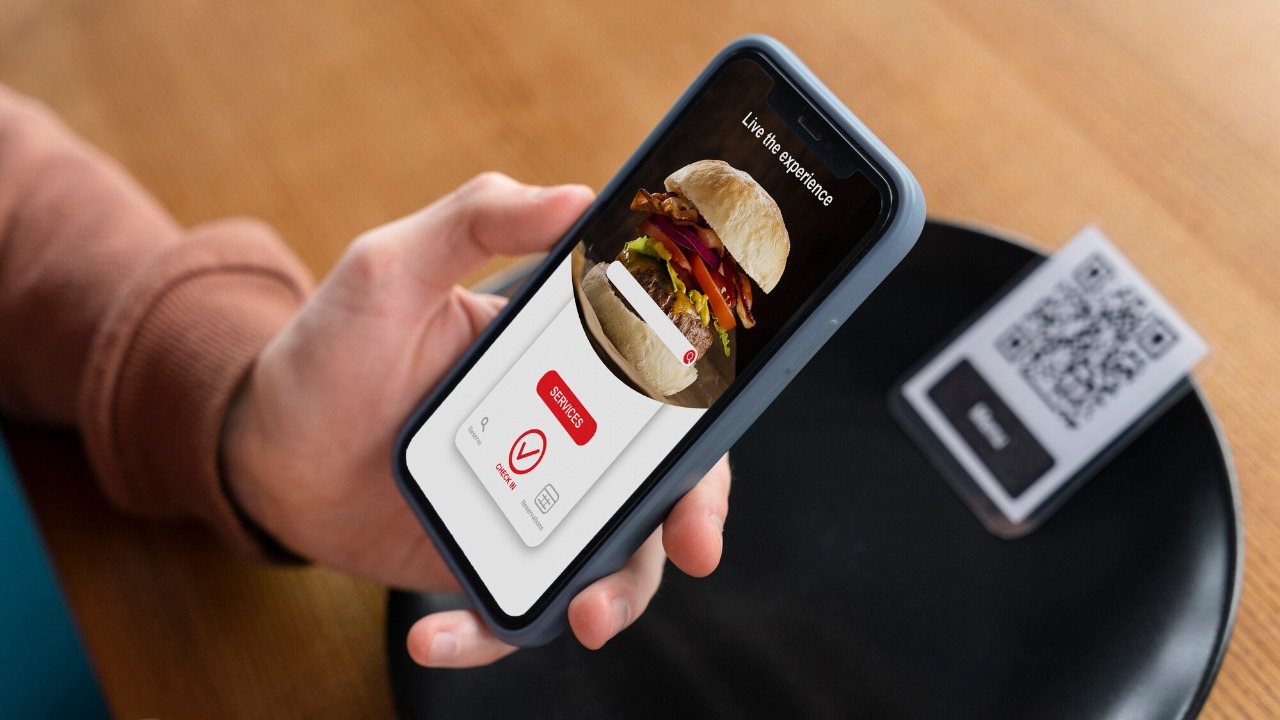
Burger King’s success with its app is a testament to the power of digital platforms in enhancing customer experience and loyalty. The app’s popularity, which saw it hit 1 million downloads after a clever marketing campaign, highlights how technology can play a crucial role in consumer engagement. By offering exclusive deals and a seamless ordering experience, Burger King is strengthening its relationship with tech-savvy customers.
Social media campaigns are another critical component of Burger King’s marketing strategy. By leveraging creative approaches and engaging content, the brand is successfully reaching a younger demographic. These campaigns not only promote new menu items but also foster a sense of community among fans and followers, encouraging them to participate in challenges and share their experiences online.
Promotions and deals continue to be an effective way for Burger King to boost sales. Discounts, special offers, and loyalty programs incentivize customers to choose Burger King over competitors, often leading to increased foot traffic and repeat business. These strategies, combined with the brand’s innovative menu offerings, create a compelling case for consumers to make the switch from McDonald’s.
McDonald’s Response and Market Impact
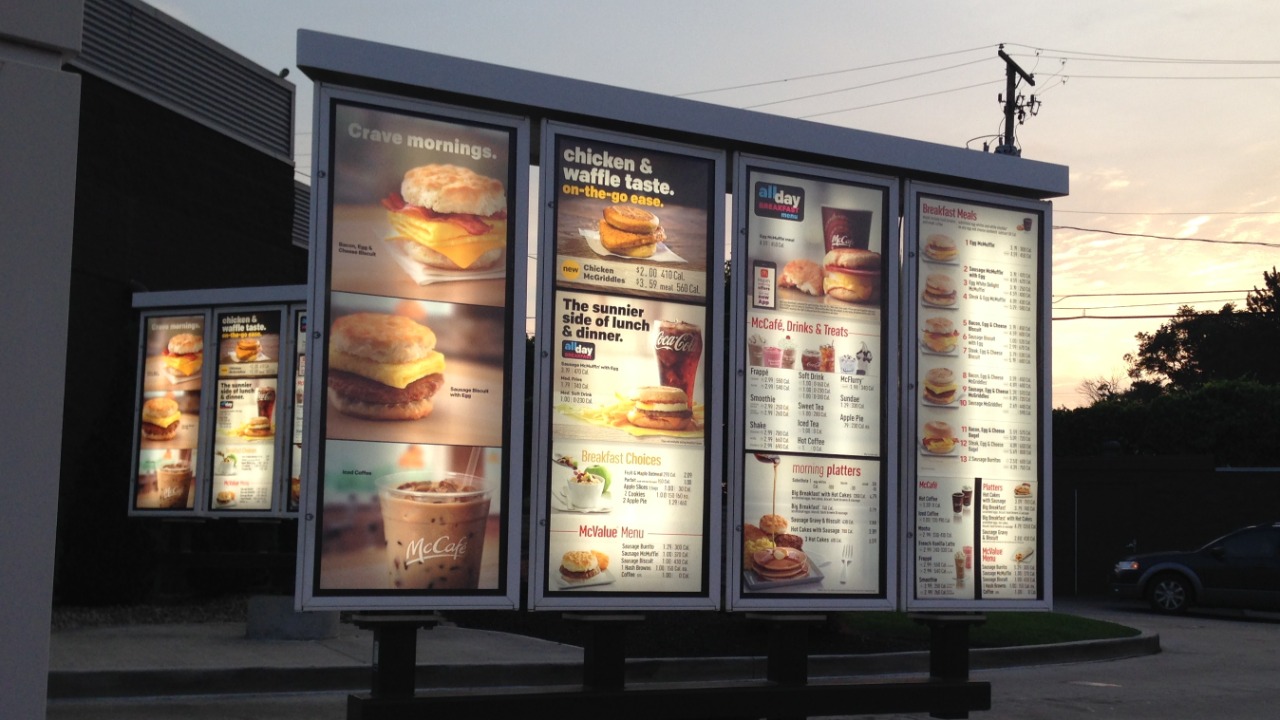
McDonald’s, known for its rapid responses to competitive threats, has also been updating its menu. Recent changes include the introduction of new premium burgers and expanded offerings in its chicken sandwich line. These additions are designed to maintain its appeal and counter Burger King’s latest moves. The recent changes to McDonald’s menu reflect its ongoing commitment to staying relevant in a fiercely competitive market.
Anticipated reactions from McDonald’s to Burger King’s new offerings are likely to include further menu innovations and refined marketing strategies. As both brands continue to compete for market share, consumers can expect a dynamic back-and-forth that could see each company introducing unique promotions and limited-time offerings to capture attention.
Market share implications are significant as these two giants battle for dominance. As Burger King expands its menu and engages consumers through innovative marketing, there is potential for shifts in consumer preferences. These shifts could result in a rebalancing of market shares, with each company striving to outdo the other in terms of customer satisfaction and brand loyalty.
The Future of Fast-Food Competition
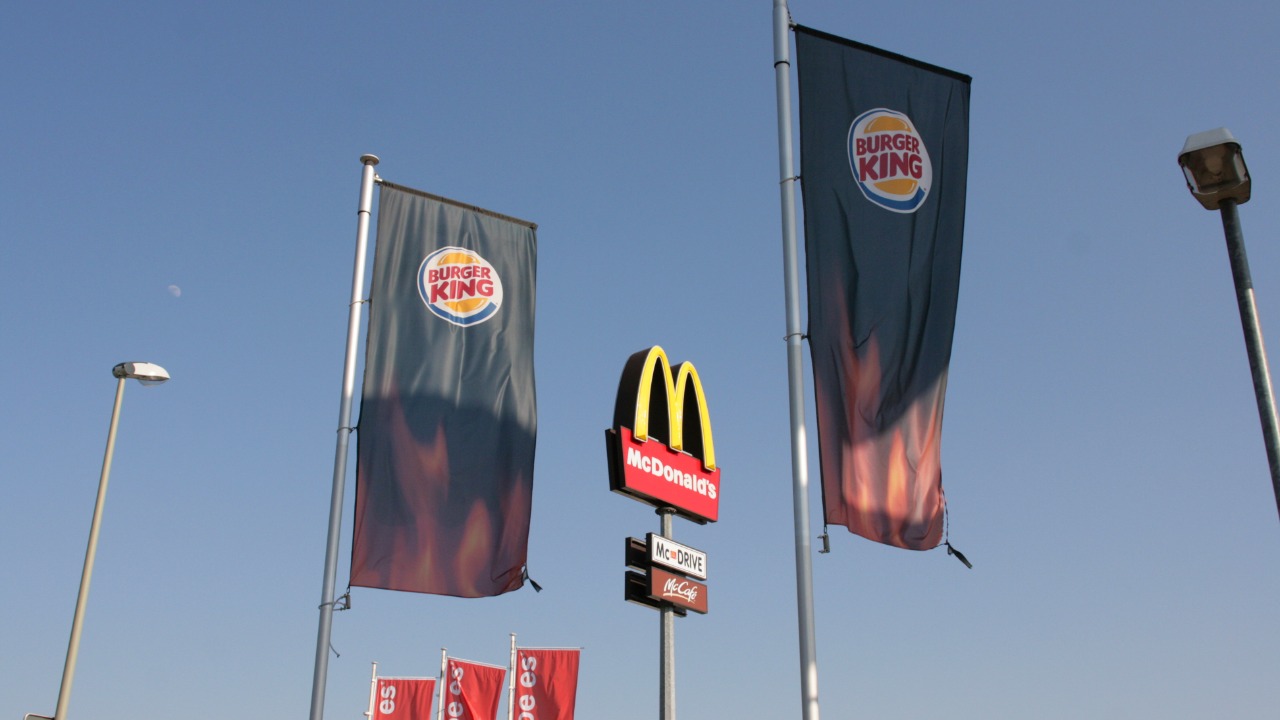
The fast-food industry is constantly evolving, with trends like plant-based diets, sustainable packaging, and technology-driven customer experiences shaping the future. Both Burger King and McDonald’s are keenly aware of these trends, and their ability to innovate will be crucial in maintaining their competitive edge. As consumers demand more transparency and healthier options, both companies will need to adapt quickly to stay ahead.
Innovation and technology are playing an increasingly important role in shaping the fast-food landscape. From app-based ordering to AI-driven customization of meals, the integration of tech solutions is enhancing the customer experience and streamlining operations. As Burger King and McDonald’s continue to invest in these areas, their ability to attract and retain customers will likely depend on how effectively they leverage technology.
Predictions for the future of fast-food competition suggest that both Burger King and McDonald’s will continue to focus on menu innovation and customer engagement. As they explore new ways to differentiate themselves, consumers can expect exciting new offerings and enhanced experiences. The rivalry between these two giants is unlikely to wane, making the fast-food industry a dynamic and ever-changing landscape.

Grant Mercer covers market dynamics, business trends, and the economic forces driving growth across industries. His analysis connects macro movements with real-world implications for investors, entrepreneurs, and professionals. Through his work at The Daily Overview, Grant helps readers understand how markets function and where opportunities may emerge.

