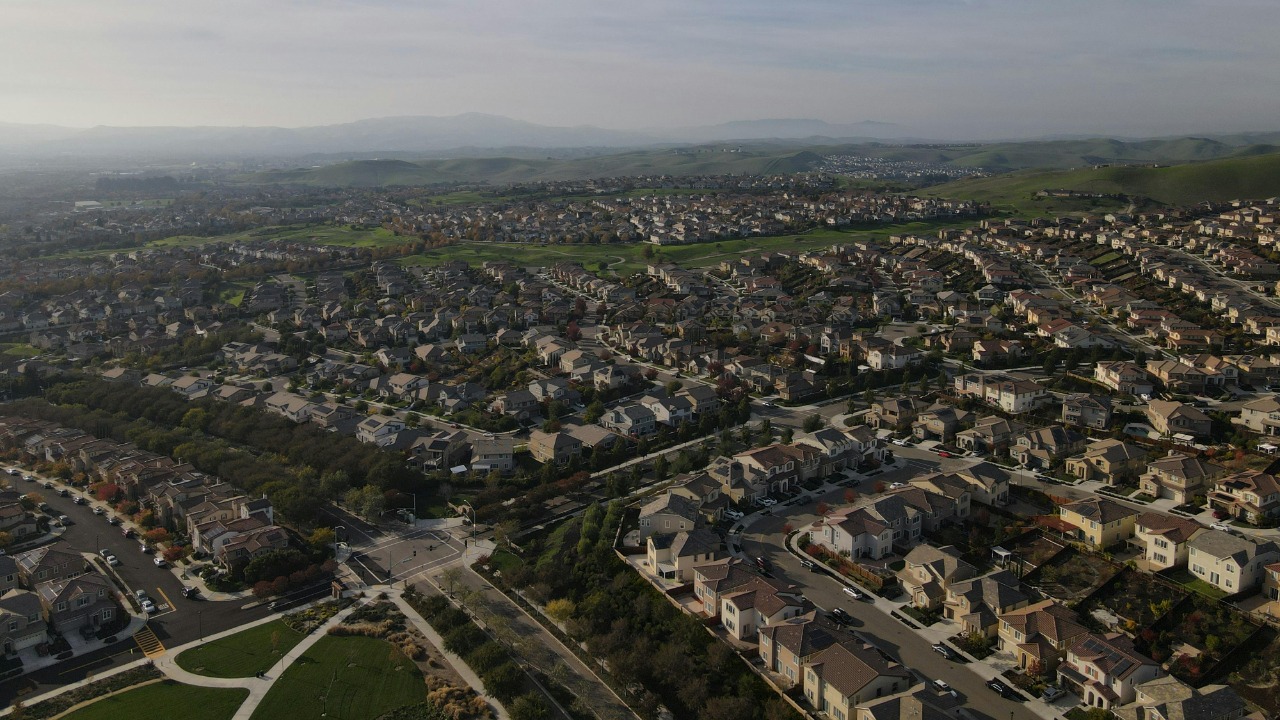
California’s homeowners insurance market is fracturing under the weight of wildfire exposure, regulatory friction, and carrier withdrawals that have left growing numbers of residents without reliable coverage options. The state’s insurance regulator has moved to approve a new catastrophe modeling framework meant to stabilize the market, but the reform carries a built-in tension: it asks insurers to expand their presence in the very fire-prone areas many have been racing to leave. I see this as a policy bet that could either reverse the exodus or, if reinsurance costs stay elevated, push more companies toward the exit.
Market Data Reveals a Shrinking Pool of Carriers
The clearest evidence of California’s insurance troubles sits in the state’s own data. The California Department of Insurance published 2024 market share statistics, drawn from NAIC filings, that track written premiums, loss ratios, and market concentration across homeowners and fire lines. Those figures paint a picture of a market where a handful of large carriers command an outsized share of the remaining business while smaller and mid-tier insurers have pulled back or stopped writing new policies altogether. For homeowners in high-risk zip codes, the practical effect is stark: fewer choices, higher premiums, and longer waits for quotes.
What stands out in the data is the loss-ratio pressure. When insurers consistently pay out claims that approach or exceed the premiums they collect, the math stops working. That dynamic has been worsening across California’s fire-exposed corridors, and it explains why carriers have been trimming their books. Market concentration is not just an abstract industry metric here. It means that if one or two dominant writers decide to scale back, entire communities can lose access to standard coverage almost overnight, pushing residents toward the state’s insurer of last resort, the FAIR Plan, which was never designed to serve as a primary market.
A Forward-Looking Model With Strings Attached
The state’s response centers on the Sustainable Insurance Strategy, a regulatory package that the California Department of Insurance has been rolling out in phases. The most significant recent step is the completed evaluation of a forward-looking wildfire catastrophe model that insurers can now use when filing rates. Until this change, California was one of the few major insurance markets that barred companies from using predictive catastrophe models in their pricing. The old system relied heavily on historical loss data, which badly underestimated current wildfire risk and left insurers feeling they could not price policies accurately.
Approving the model is a genuine shift in how the state regulates pricing. But the reform comes with a significant condition: insurers that use the new catastrophe models or factor reinsurance costs into their rate filings will be required to write more policies in wildfire-distressed areas. The logic is straightforward. If companies benefit from more accurate, forward-looking pricing tools, they should also accept the obligation to serve the communities most affected by the coverage crisis. In theory, this creates a trade: better pricing flexibility in exchange for expanded availability.
Why Regulatory Intent and Market Reality May Diverge
The question I keep returning to is whether the trade is balanced enough to hold. Reinsurance, the coverage that insurers themselves buy to offset catastrophic losses, has grown significantly more expensive in recent years, and those higher costs filter directly into the economics of writing policies in high-risk zones. If the price of reinsurance continues to climb, the ability to reflect those costs in rate filings may not be sufficient to justify a larger footprint in areas where a single fire season can generate outsized claims. Faced with that calculus, some carriers could conclude that the strings attached to the new modeling tools outweigh the benefits and that the safer course is to keep shrinking their exposure or to exit the state entirely.
California’s approach also assumes that better pricing tools will make the state attractive enough for insurers to stay and grow. The Sustainable Insurance Strategy addresses a real flaw in the old regulatory framework: forcing companies to price risk using only backward-looking data in a state where wildfire seasons have grown longer and more destructive was clearly unsustainable. But fixing the pricing model does not fix the underlying exposure. Homes in the wildland-urban interface remain vulnerable, and the cost of rebuilding after a major fire has surged alongside construction and labor inflation. Unless those physical and economic risks moderate, the new regulatory flexibility may not fully bridge the gap between what homeowners can afford and what insurers believe they must charge.
What This Means for California Homeowners
For the millions of Californians who own homes in or near fire-prone areas, the practical stakes are immediate. The shrinking number of carriers willing to write homeowners policies in these regions has already forced many residents onto the FAIR Plan, which offers limited coverage at higher prices and typically requires separate policies for liability and other protections. The Sustainable Insurance Strategy is designed to reverse that trend by drawing private insurers back into distressed markets. If it works, homeowners should eventually see more competition, broader coverage options, and pricing that, while higher than what they paid years ago, at least reflects a functioning market rather than a collapsing one.
If it does not work, the trajectory is clear. More carriers will continue to reduce their California footprint, the FAIR Plan will absorb an even larger share of the state’s risk, and homeowners in high-exposure areas will face a choice between paying steep premiums for bare-bones coverage or going without insurance entirely. That second path carries its own cascading consequences: mortgage lenders require insurance, so uninsured homes become difficult or impossible to finance, property values drop, and local tax bases erode. The coverage crisis, in other words, is also a housing crisis and a fiscal crisis for fire-prone communities, with implications for everything from school funding to wildfire mitigation budgets.
A Reform That Tests Its Own Assumptions
California’s regulators deserve credit for acknowledging that the old system was broken and for moving to approve modern catastrophe modeling tools. The completed evaluation of the forward-looking wildfire model represents a genuine policy shift after years of resistance to predictive analytics in rate-setting. But the requirement that insurers expand into distressed areas as a condition of using those tools introduces a tension that the market will resolve on its own terms, not on the regulator’s timeline. If companies judge that the combination of higher modeled losses, expensive reinsurance, and mandated growth in risky zones creates too thin a margin, they may simply forgo the new framework and keep retreating.
That is why the coming wildfire seasons will function as a stress test not just for insurers’ balance sheets, but for the Sustainable Insurance Strategy itself. If the new rules can survive a period of heavy losses while still allowing timely, actuarially grounded rate approvals, they may convince wary carriers that California is once again a manageable market. If, instead, political pressure slows or blocks needed adjustments after major fires, the reforms could end up confirming insurers’ fears rather than easing them. The policy bet now in place is that more transparent risk modeling, paired with clear obligations to serve high-need communities, can produce a stable middle ground between affordability and availability. Whether that bet pays off will determine if California rebuilds a competitive homeowners insurance market, or continues down the path toward a quasi-public system dominated by its last-resort plan.
More From The Daily Overview
*This article was researched with the help of AI, with human editors creating the final content.

Elias Broderick specializes in residential and commercial real estate, with a focus on market cycles, property fundamentals, and investment strategy. His writing translates complex housing and development trends into clear insights for both new and experienced investors. At The Daily Overview, Elias explores how real estate fits into long-term wealth planning.

