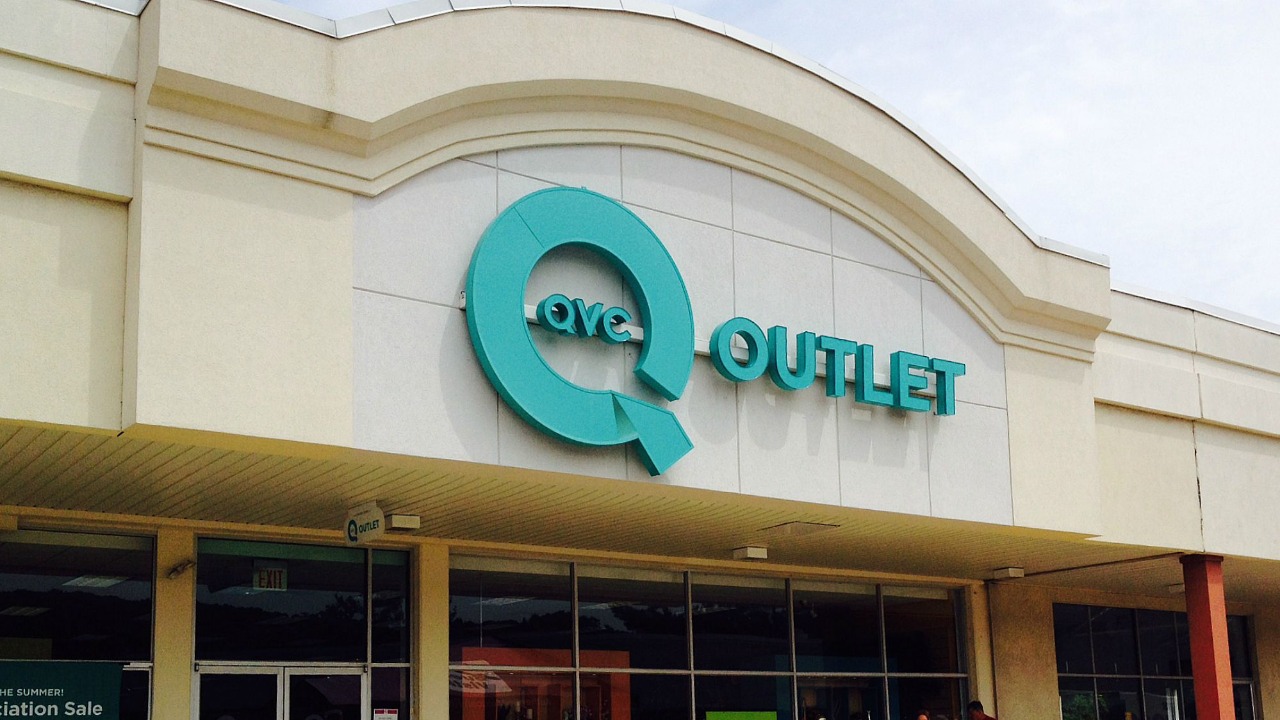
QVC, Inc. has disclosed language in its latest federal securities filing that amounts to a corporate distress signal, warning investors it may not be able to repay billions in debt coming due next year. The admission, buried in a routine quarterly report, represents the clearest sign yet that the television shopping giant’s decades-long run could be approaching a hard financial deadline. For a company that once defined how Americans bought everything from jewelry to kitchen gadgets through their TV screens, the filing reads less like a temporary setback and more like a countdown clock.
A $2.9 Billion Wall With No Clear Exit
The core of QVC’s financial distress comes down to a single, looming number. In its SEC filing for the period ended September 30, 2025, QVC disclosed approximately $2.9 billion drawn on its senior secured credit facility. That facility matures on October 27, 2026, giving the company roughly one year to either refinance the debt, generate enough cash to pay it down, or face a default scenario that could trigger bankruptcy proceedings. Because the credit line is secured, lenders have first claim on key assets, raising the stakes if QVC cannot meet its obligations.
What makes this disclosure so alarming is the company’s own language about its prospects. The quarterly report warns there is no assurance QVC can repay or refinance the debt when it comes due, a formulation that goes beyond cautious legal boilerplate. In corporate finance, such wording is interpreted as a sign that management and its auditors have serious doubts about the company’s ability to continue operating as a going concern. For everyday consumers who still tune in to QVC broadcasts, this means the network they have relied on for years is now operating under a financial shadow that grows darker with each passing quarter, as every missed opportunity to reduce leverage narrows the path to survival.
What a Going-Concern Warning Actually Means
A going-concern warning in a public filing is one of the most severe red flags a company can raise short of actually declaring bankruptcy. It tells creditors, investors, and business partners that leadership cannot guarantee the business will survive in its current form over the next twelve months. Once that signal is out, it can set off a chain reaction: suppliers may tighten credit terms or demand faster payment, lenders become less willing to extend new financing or may insist on tougher covenants, and business partners start quietly exploring alternatives in case the company falters or restructures.
The most telling detail in QVC’s situation is not just the size of the debt but the unforgiving timeline. The October 2026 maturity date on the senior secured credit facility leaves a shrinking window for any refinancing deal, especially if operating trends deteriorate or credit markets turn less friendly. In a robust lending environment, a well-performing company could roll over that kind of debt with limited drama. But QVC is not operating from a position of strength. The traditional television shopping model has been losing ground for years to e-commerce platforms, and lenders know it. Refinancing $2.9 billion for a business that many analysts view as structurally challenged is a fundamentally different proposition than refinancing the same amount for a growing enterprise with clear competitive advantages.
The Slow Erosion of TV Shopping
QVC’s financial troubles did not appear overnight. The company has been fighting a long retreat against the rise of online retail and the fragmentation of consumer attention. Amazon and other large e-commerce marketplaces offer near-infinite selection and rapid shipping, while direct-to-consumer brands built on platforms like Shopify cultivate loyal followings without ever appearing on cable. At the same time, social media shopping features on services such as Instagram and TikTok have steadily pulled consumers away from the scheduled, linear format of televised sales pitches. Where QVC once had a near-monopoly on impulse-driven, personality-led product sales, it now competes with influencers who can reach millions of potential buyers from a smartphone at any hour of the day.
There is a useful comparison to the decline of Sears, which spent years trying to adapt a legacy retail model to digital competition before ultimately filing for bankruptcy in 2018. Like QVC, Sears carried significant debt while its core business shrank, and it tried to squeeze more value out of a shrinking base of loyal customers. Like QVC, Sears had a brand that millions of Americans recognized and trusted, built over decades of cultural presence. And like QVC, Sears discovered that brand loyalty alone could not offset the structural advantages of newer, more agile competitors with lighter balance sheets. The parallel is not perfect, QVC operates a media-and-commerce hybrid rather than a chain of department stores, but the pattern is familiar: a dominant retail format loses its audience, debt becomes unmanageable, and the company eventually runs out of room to maneuver.
Can QVC Reinvent Itself Before the Clock Runs Out?
One argument circulating among retail analysts is that QVC could survive by pivoting to a hybrid model that blends its television presence with digital and social media commerce. The logic is straightforward. QVC already has experienced on-air hosts, established supplier relationships, and a production infrastructure built to create compelling, real-time sales content. In theory, those strengths could translate to livestream shopping on platforms like YouTube, TikTok, or proprietary apps, where the company could reach younger audiences who rarely watch traditional cable. If QVC could redirect even a portion of its television audience to digital channels while attracting new viewers, it might generate enough revenue growth and visibility to convince lenders that refinancing is worthwhile.
That vision, however, collides with the hard math of leverage and time. Executing a major business-model shift while carrying approximately $2.9 billion in secured debt is extraordinarily difficult. Every dollar spent on digital transformation is a dollar not available for interest and principal payments. Every quarter devoted to experimenting with new formats is a quarter closer to the October 2026 maturity date. The company would essentially need to rebuild its revenue engine while keeping the old one running just well enough to satisfy creditors. That is a tall order for any business, let alone one whose own filings acknowledge material uncertainty about its ability to meet upcoming obligations.
What Comes Next for QVC and Its Viewers
The next several quarters will likely determine whether QVC can negotiate a refinancing deal or faces a more drastic outcome. If lenders agree to extend or restructure the credit facility, perhaps in exchange for higher interest rates, additional collateral, or tighter covenants, the company could buy time to pursue its digital transition and attempt to stabilize revenue. A successful negotiation might also reassure suppliers and partners that QVC will remain a viable sales channel, at least in the medium term. But if lenders prove unwilling to roll over such a large balance for a business facing secular headwinds, the company could be pushed toward a court-supervised restructuring or an out-of-court exchange that hands significant control to creditors.
For viewers, the implications range from subtle to dramatic. In a best-case scenario, QVC might look and feel similar on the surface while quietly reshaping its capital structure and investing behind the scenes in new digital formats. In a more severe scenario, the network could reduce live programming, cut back on product variety, or close less profitable operations as it seeks to conserve cash. In an outright restructuring, some channels or international units could be sold or shuttered, and longtime customers might see familiar hosts or brands disappear from the lineup. However the situation unfolds, the language in QVC’s latest filing makes one point unmistakable: the era when televised shopping could rely on habit, cable bundles, and easy credit is over, and the company now faces a race against time to prove there is still a durable business behind the nostalgia.
More From The Daily Overview
*This article was researched with the help of AI, with human editors creating the final content.

Grant Mercer covers market dynamics, business trends, and the economic forces driving growth across industries. His analysis connects macro movements with real-world implications for investors, entrepreneurs, and professionals. Through his work at The Daily Overview, Grant helps readers understand how markets function and where opportunities may emerge.

