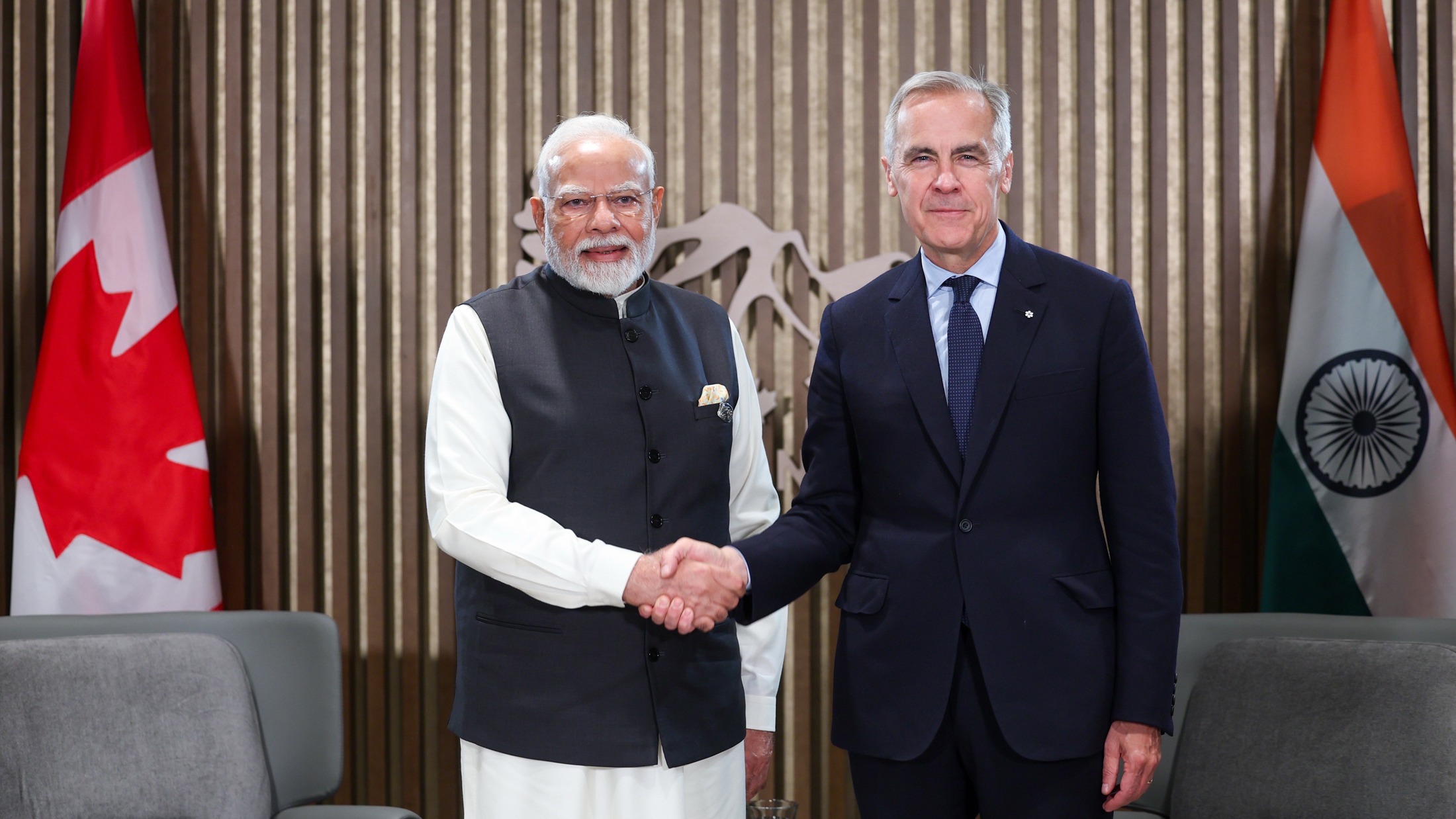
Canada is racing to redraw its trade map, pushing beyond its traditional reliance on the United States and China just as its energy minister lands in India to reboot a long-dormant relationship. The government is pairing a high-level diplomatic pivot with a concrete offer of oil, gas, and critical minerals, betting that a deeper partnership with India can anchor its broader diversification strategy. That twin track, trade and energy together, is now testing whether Ottawa can turn political intent into durable commercial flows.
Trade pivot meets energy diplomacy
When Canadian Foreign Minister Anita Anand says the country cannot keep “all our eggs in one basket,” she is putting a blunt label on a strategy that has been building for months. Ottawa has framed trade diversification as essential to “protect and empower the Canadian economy,” a line Anand used while defending a shift that reduces exposure to any single market and opens new channels for everything from canola and beef to advanced manufacturing. That context matters for understanding why officials are investing so much political capital in a reset with Canada’s partners in Asia and beyond, even as they insist the relationship with the United States remains foundational.
The most visible test case for this new posture is India, where Energy Minister Tim Hodgson is now leading a delegation to revive an energy dialogue that had been dormant for eight years. His trip to Goa is explicitly framed as part of the diversification push Anand described, with the minister tasked to open doors for Canadian oil, gas, and critical minerals in a market that is both fast growing and hungry for secure supplies. That is why Anand’s comments on the trade pivot are being read alongside the itinerary that has Hodgson in India now and planning a follow up visit to Australia in March, a sequence that underscores how the trade strategy and energy outreach are being fused into a single diplomatic campaign backed by Anand’s rhetoric.
Resetting with India after a rocky spell
Canada’s outreach to India is not starting from a blank slate, it is emerging from a period of strain that froze formal energy talks for nearly a decade. That is what makes the decision to send Energy Minister Tim Hodgson to India for the first Canada India Energy Dialogue in eight years so significant, a signal that both sides see value in compartmentalizing political disputes and rebuilding sectoral cooperation. Hodgson’s arrival in India on a Tuesday, as reported from Panjim in Goa, is being cast as the moment when the two governments move from rhetorical interest to practical engagement, with meetings focused on trade and collaboration in oil, gas, and newer technologies that can underpin a more resilient relationship between India and its Canadian counterpart.
The agenda is ambitious for a visit that is formally about energy but substantively about trust. Reports from Goa describe Hodgson pitching Canada as a reliable supplier that “believes in free trade” and is ready to provide both hydrocarbons and critical minerals to support India’s growth. That framing is designed to reassure New Delhi that Ottawa is not using energy as a geopolitical lever, a point underscored by Hodgson’s insistence that Canada will not “use our energy for coercion” as he lays out a menu of potential cooperation that spans traditional fuels and the inputs needed for clean technologies, a message captured in coverage of the minister’s arrival in India.
Oil, gas and critical minerals at the core of the deal
At the heart of the reset is a pledge by Canada and India to expand trade in oil and gas, a concrete step that turns diplomatic warmth into barrels and cargoes. Both sides have recommitted to boosting energy trade, agreeing to deepen cooperation in crude, petroleum products, and natural gas while also exploring joint ventures in emerging technologies. That commitment is captured in reports that describe a new understanding between the two governments as an “energy reset,” with Canada positioning its western resources as a stable alternative for India’s refineries and power sector and India signaling that it is ready to treat Canadian supplies as part of its long term diversification away from more volatile sources, a shift reflected in the renewed oil and gas focus.
Critical minerals are the second pillar of this package, and here Canada is trying to leverage its geology into geopolitical relevance. Hodgson has explicitly offered India access to Canadian critical minerals, presenting them as essential inputs for batteries, electric vehicles, and renewable infrastructure that India needs to meet its climate and industrial goals. Coverage from Panjim in Goa notes that Canada is pitching itself as a “reliable partner” for these resources, again stressing that it will not use energy or minerals for coercion as it courts Indian policymakers and companies. That narrative is reinforced by reports that describe how Canada and India are not only expanding oil and gas trade but also looking at collaboration in new energy technologies and critical mineral supply chains, a theme running through accounts of the expanded trade agenda and the broader energy pact that is being framed as a signal of trade diversification.
Carney’s parallel track with China
While Hodgson works the India file, Prime Minister Mark Carney is pursuing a different but complementary track with China, underscoring that diversification does not mean disengagement. Earlier in January, Carney announced a new strategic partnership with the People’s Republic of China that includes a specific commitment on agricultural trade, with Beijing expected to lower tariffs on Canadian canola seed to a combined rate of approximately 9 per cent by March 1, 2026. That figure matters because it shows Ottawa is still willing to negotiate market access with China even as it talks about reducing overreliance, and it highlights how the government is trying to secure better terms for Canadian exporters while broadening their options, a balance detailed in the official release that sets out the By March tariff change.
Carney is also expected to travel to India in early March, a visit that would follow Hodgson’s trip and signal that the energy reset is part of a wider political rapprochement. An exclusive report quoting Canada’s envoy in New Delhi says Carney is likely to visit India as the trade pivot “intensifies,” a phrase that captures how Ottawa sees the relationship as central to its Indo Pacific ambitions. That same reporting notes that India has denied certain Canadian claims that had strained ties, a reminder that the political backdrop remains sensitive even as both sides move to restore energy and trade links. The sequencing, with Hodgson’s technical talks followed by a prime ministerial visit, suggests a deliberate strategy to lock in agreements and then elevate them politically, a pattern described in the Exclusive account of Carney’s plans.
Risks, rewards and what comes next
For all the upbeat language, Canada’s trade and energy pivot carries real risks, starting with the possibility that political tensions could again derail progress with India. The fact that Canada and India are now moving to restore energy ties after a period of diplomatic chill shows how fragile such resets can be, particularly when they involve sensitive sectors like oil, gas, and critical minerals. Reports on the renewed cooperation stress that both countries are working to “reset relations” as they deepen energy trade, a reminder that commercial deals are being built on a political foundation that still needs careful management, as seen in coverage of how Canada and India are approaching the expanded trade agenda.
More From TheDailyOverview
*This article was researched with the help of AI, with human editors creating the final content.

Grant Mercer covers market dynamics, business trends, and the economic forces driving growth across industries. His analysis connects macro movements with real-world implications for investors, entrepreneurs, and professionals. Through his work at The Daily Overview, Grant helps readers understand how markets function and where opportunities may emerge.

