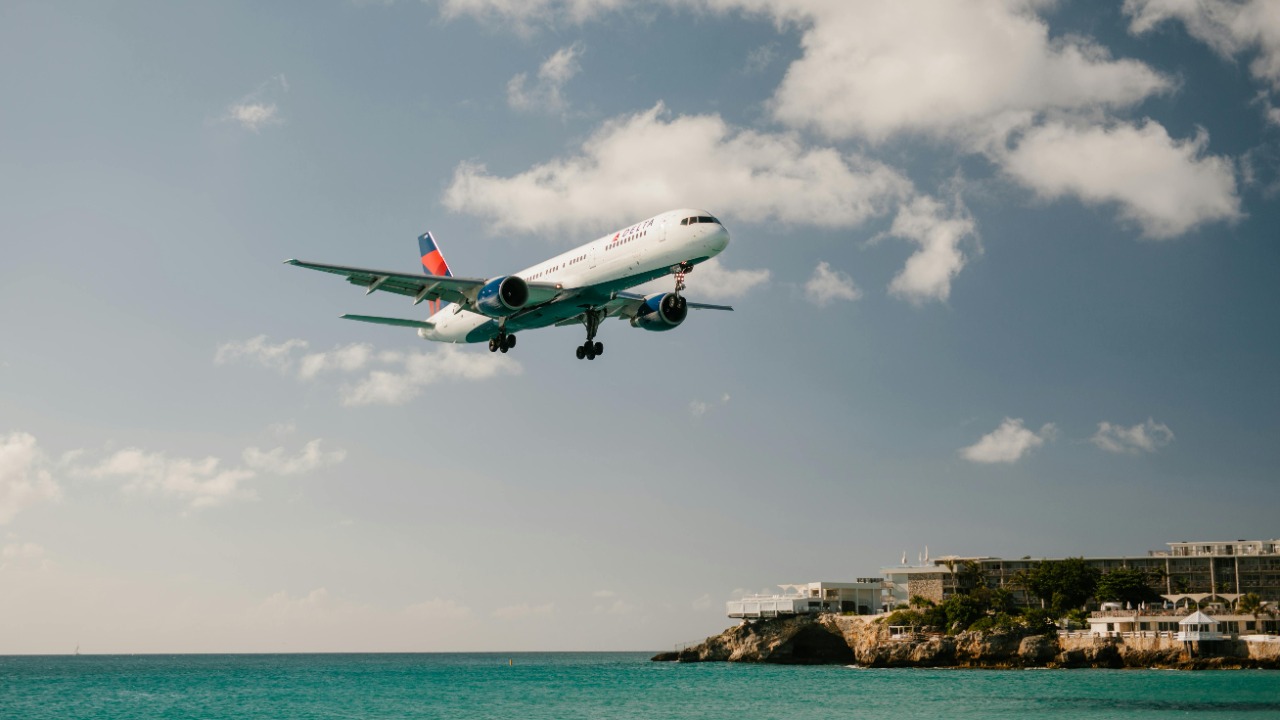
What began as a sudden security decision over South America has cascaded into a peak-season mess for Caribbean travelers, with tens of thousands of people stranded as airlines scramble to rebuild their schedules. Carriers are now racing to add capacity and open new routes even as passengers sleep on terminal floors from Miami to San Juan, hoping their names finally appear on a standby list.
The result is a jarring split-screen: packed beaches and full hotels across the islands, and at the same time, departure boards filled with cancellations while airlines mount an emergency airlift to clear the backlog. I see a region that depends on reliable air links suddenly exposed to the fragility of those connections, and an industry improvising fixes in real time.
The military trigger that shut down Caribbean skies
The disruption traces back to a U.S. Military Operation that targeted Venezuela, a move that prompted regulators to close key air corridors used by commercial traffic over the country. That Military Operation, described in reports as “Venezuela Disrupts Caribbean Travel,” effectively severed some of the most direct north–south routes between the United States and island hubs, forcing airlines to cancel or reroute services at short notice and leaving normal operations to resume only after restrictions eased on Sunday, according to detailed accounts of how Venezuela Disrupts Caribbean Tra. With traffic funneled away from Venezuelan airspace, carriers suddenly had aircraft and crews out of position, and no easy way to move them back into place.
Industry analysts say the scale of the shutdown was extraordinary, with Aviation expert Seth Miller noting that roughly 800 flights across multiple carriers, from San Juan to other major gateways, were grounded as the restrictions took hold. That kind of sudden stop ripples quickly through a tightly scheduled system, especially in a region where many islands rely on a handful of daily departures to connect with the mainland. By the time authorities allowed traffic to resume, the backlog was already measured in days rather than hours, and the knock-on effects were being felt across the wider Caribbean network.
Stranded in paradise: tens of thousands stuck from Miami to San Juan
On the ground, the operational jargon translated into very human frustration. At Miami International Airport, hundreds of Caribbean-bound flights were canceled, leaving crowds clustered around departure gates and information desks as they tried to rebook. Local coverage captured the scene as travelers told reporter Bri Buckley they had been waiting for hours with little clarity, a snapshot of how “hundreds of Caribbean flights canceled” turned Miami into a holding pen for island vacations that never quite started, a reality underscored in the reporting by Bri Buckley of CBS News Miami.
Across the region, the numbers were even more stark. One detailed tally described how Caribbean Flights Resume Sunday only after Airlines Add Extra Flights and Deploy Widebody Jets to cope with an estimated 50,000 Stranded Travelers Rush to get home or start long-delayed holidays. Another account put it bluntly, saying Tens of thousands of people were left in limbo when a flight ban stranded them overnight, before U.S. airlines scrambled to add Caribbean flights once airspace closures linked to Venezuela were lifted, a scale of disruption captured in the phrase “Tens of” thousands of travelers in one detailed overview of how Caribbean routes were affected.
American Airlines and the race to add capacity
Among U.S. carriers, American Airlines has emerged as the most visible face of the recovery effort, in part because it is such a dominant player in the region. The airline said it was closely monitoring the situation with the FAA and making schedule adjustments as the airspace closure over Venezuela took effect, a response that included adding almost 5,000 extra seats to the region and deploying its Boeing jets on some routes to absorb demand, according to a detailed breakdown of how American Airlines reacted as the FAA moved to protect flights after strikes on the capital of Caracas. In a separate televised segment, Many carriers were described as handing out travel waivers, with American Airlines adding nearly 5,000 extra seats to the region and deploying its Boeing aircraft to help thousands of fliers stranded as flights were canceled across the Caribbean region following the capture of Maduro, a sequence captured in a video that highlighted how Many passengers were affected.
As restrictions eased, American Airlines moved from crisis management to something closer to an airlift. The carrier added 43 extra flights on Sunday and Monday, with room for 7,000 passengers, a level of surge capacity that one analysis described as the most aggressive schedule expansion the airline has mounted in the Caribbean in years. Another operational summary noted that American Airlines says it has moved quickly to add capacity, resuming scheduled service on Jan. 4 and offering nearly 5,000 extra seats after canceling more than 200 flights during the closure, a figure that illustrates how deeply the shutdown cut into its normal operations and how rapidly American Airlines has tried to rebuild.
Other airlines pivot, from waivers to “rescue” flights
American is not alone in trying to dig out from the backlog. Airlines across the board are restoring and expanding Caribbean schedules after the Venezuela airspace disruption, rushing to add Caribbean flights and extra capacity to help clear backlogs that built up when the FAA grounded hundreds of flights, according to a detailed account of how Airlines have responded. One overview described how Airlines restore Caribbean flights after military operation disrupts travel, with carriers not only reinstating regular services but also adding new flights to cities like Charlotte and offering flexible rebooking options for customers affected by the disruption, a pattern that shows how Airlines are using both schedule changes and policy tweaks to manage the fallout.
Low-cost and leisure-focused carriers are also adjusting. Major U.S. players like Southwest have been updating schedules and waivers on their own platforms, with travelers urged to check directly with Southwest for the latest on Caribbean routes as the situation evolves. At the same time, broader industry summaries emphasize that Airlines are restoring and expanding capacity to help clear backlogs, with some deploying larger aircraft and adding frequencies on key routes as part of a coordinated effort to rebuild the Caribbean network after the Venezuela airspace closure, a strategy described in detail in an analysis of how Airlines are restoring service.
Island hubs under pressure and what comes next
The operational strain is most visible at key island gateways that serve as both tourist magnets and regional hubs. In Puerto Rico, San Juan’s role as a connecting point for flights across the northeastern Caribbean meant that cancellations there rippled outward to smaller islands that depend on a handful of daily services. Similar dynamics played out in the U.S. Virgin Islands, where limited runway capacity and tight schedules left little room to absorb days of missed flights, and in leisure destinations like Aruba, where hotel stays and cruise connections are closely tied to air arrivals. One mapping analysis noted that After airspace restrictions ended early Sunday, airlines added dozens of extra flights from major U.S. cities such as Miami, Newark, and Washington, DC to Caribbean destinations, highlighting how carriers tried to rebuild links to hubs like San Juan as soon as After the skies reopened.
For travelers already on the islands, the experience has been a mix of extended vacations and mounting anxiety. One report from the ground described families who said THEY had BEEN on THE PHONE and WENT down to the airport repeatedly to try to get relatives home, only to be turned back until extra flights finally materialized, a vignette captured in coverage that quoted how THEY navigated the uncertainty. Looking ahead, aviation specialists argue that the episode should prompt a rethink of how dependent Caribbean connectivity is on a few chokepoints over Venezuela, with some suggesting more diversified routings and contingency planning for hubs like Puerto Rico and tourist-heavy islands such as Aruba so that a single Military Operation does not again translate into regionwide gridlock.
For now, the priority is simply getting people moving. Airlines reinstate Caribbean flights after Venezuela airspace disruption, and as carriers rush to add Caribbean flights and extra capacity, the hope is that the worst of the chaos will ease within days rather than weeks, a cautiously optimistic outlook reflected in the latest assessments of how Caribbean schedules are stabilizing. Yet for the tens of thousands who have already spent nights on airport benches or watched long-planned trips evaporate, the episode is a reminder that in a region so dependent on tourism, the line between paradise and paralysis can be as thin as a closed strip of airspace over Venezuela.
More From TheDailyOverview

Grant Mercer covers market dynamics, business trends, and the economic forces driving growth across industries. His analysis connects macro movements with real-world implications for investors, entrepreneurs, and professionals. Through his work at The Daily Overview, Grant helps readers understand how markets function and where opportunities may emerge.

