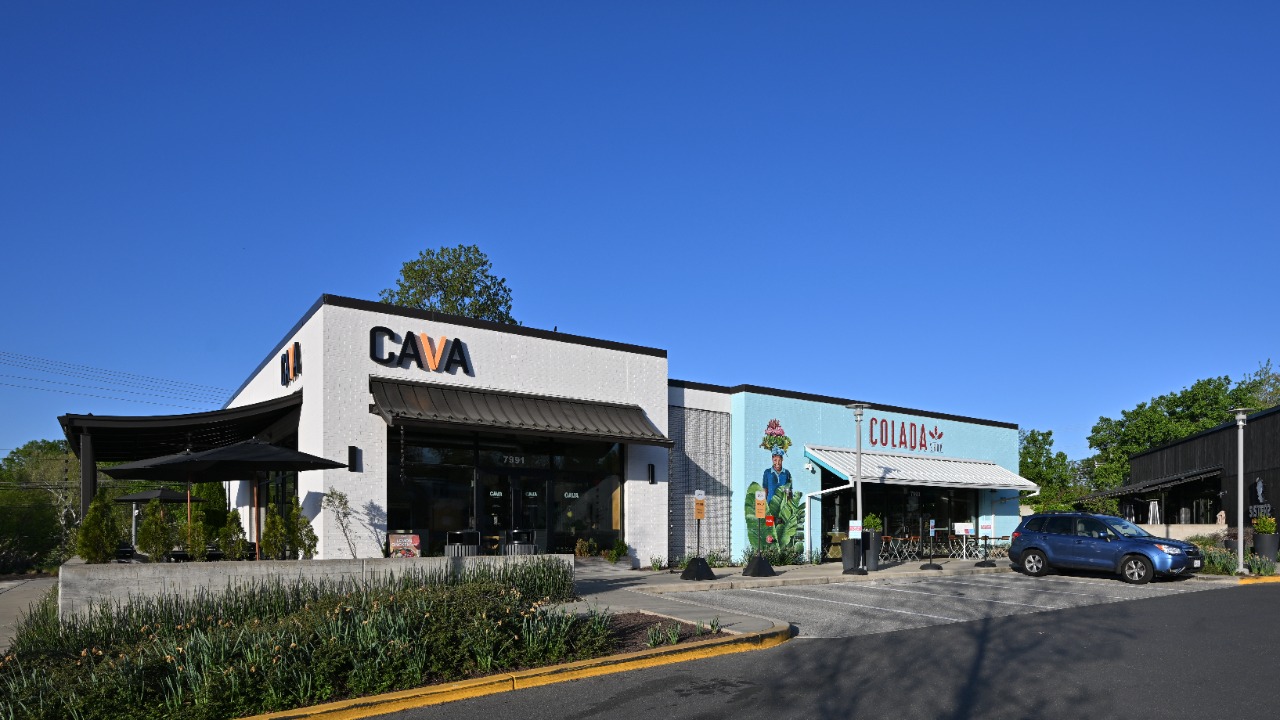
CAVA Group Inc. reported fourth-quarter and full-year fiscal 2025 results, and executives told analysts the company is seeing strong same-restaurant sales growth alongside higher guest traffic. On the earnings call, management said guests appear to be moving away from deal-seeking behavior and are more willing to pay full price. The fast-casual Mediterranean chain’s earnings call painted a picture of a consumer willing to pay up for quality, a shift that carries wider implications for the restaurant industry as it tries to move past years of aggressive discounting.
CAVA’s Q4 Results Signal a Spending Shift
CAVA’s fourth-quarter performance stood out in a restaurant sector that has been heavily focused on value and promotions in recent years. During the company’s latest call, executives described a consumer environment in which guests are returning to regular spending habits rather than hunting for the cheapest option, according to the earnings transcript. The company framed its traffic gains as evidence that diners are willing to pay for differentiated food experiences, particularly in the fast-casual segment where CAVA competes with assembly-line bowl and salad concepts and where menu innovation and perceived health benefits can justify higher price points.
The transcript captures qualitative claims from CAVA’s leadership about consumer behavior that go beyond the typical quarterly boilerplate. Analysts pressed executives on whether the traffic growth reflected promotional activity or genuine demand, and the responses pointed to organic guest acquisition and repeat visits rather than coupon-driven trial. That distinction matters because it suggests the spending recovery, at least for CAVA, is not being artificially propped up by margin-eroding discounts. Management also highlighted the role of menu mix and modest price increases in driving same-restaurant sales, arguing that guests have shown limited resistance to paying full freight for customizable bowls, pitas, and salads that are positioned as a higher-quality alternative to traditional quick-service fare.
Broader Restaurant Spending Backs Up the Thesis
CAVA’s optimism does not exist in a vacuum. The U.S. Census Bureau’s regularly updated retail sales tables for December 2025 show year-over-year growth in the “food services and drinking places” category compared to December 2024, outpacing several other retail segments. That federal data point lends credibility to the idea that Americans are dining out more and spending more when they do, even as other discretionary categories face pressure from higher borrowing costs and lingering inflation. The food services line item has been one of the more resilient components of overall retail, suggesting that consumers increasingly view restaurant purchases as a priority rather than a purely optional indulgence.
Still, there is a gap between what national data shows and what any single chain experiences. CAVA operates in a premium fast-casual niche with a loyal customer base that skews younger and more urban, and its performance may not mirror that of family dining or legacy casual brands. Some legacy casual-dining operators that rely more heavily on price-sensitive guests have leaned more on promotions, a dynamic not directly captured in CAVA’s narrative. The Census data confirm a directional trend but do not reveal whether the spending recovery is evenly distributed across income levels, geographies, or restaurant formats, and no independent consumer survey data cited in the current reporting verifies executives’ specific claims about guests being fatigued by deals and ready to trade up.
What the Forward Outlook Reveals About Confidence
CAVA’s fiscal 2026 outlook, summarized in its investor-facing event materials, projects continued growth fueled by new restaurant openings and technology investments. The company’s forward guidance reflects a bet that the spending recovery has legs, not just a single strong quarter, with management signaling plans to add units in both existing and new markets while investing in kitchen throughput, mobile ordering, and loyalty features. These capital commitments suggest leadership believes that elevated guest traffic and strong brand awareness can support a larger footprint without relying on deep discounting to keep dining rooms busy.
But the outlook also flagged risks that could complicate this bullish stance. CAVA’s fiscal 2025 commentary flagged that trade policy and commodity volatility could affect costs, which could squeeze margins if not carefully managed. If tariffs or other cost pressures push up input costs and CAVA raises menu prices in response, the “tired of chasing deals” thesis will be tested: guests who currently accept premium pricing for perceived quality may balk if increases outpace wage growth or if competing chains undercut on value. The company’s growing digital and delivery business adds another layer of complexity, since higher third-party fees or packaging requirements can compress unit economics even when headline sales are rising.
Digital Channels, Data Practices, and Guest Loyalty
As CAVA leans more heavily on mobile ordering, delivery, and personalized marketing, its handling of guest information becomes part of the value proposition. The company’s published privacy practices describe how customer data from apps, websites, and loyalty programs is collected and used, an increasingly important issue for diners who are asked to share location, order history, and payment details in exchange for convenience. While the earnings commentary did not provide granular metrics on digital mix or app penetration, the underlying strategy assumes that frictionless ordering and tailored offers can deepen engagement without reverting to blanket discounting.
Those digital efforts are governed by contractual rules that show up in the chain’s online terms of use, which set expectations around account access, acceptable behavior, and dispute resolution for guests interacting with CAVA’s platforms. Together, the privacy and terms disclosures outline the infrastructure supporting the company’s push into omnichannel dining, where in-store, pickup, and delivery experiences are meant to feel consistent and premium. For CAVA, maintaining trust in how it manages customer data is not just a legal requirement but a business imperative: if diners perceive that digital engagement exposes them to unwanted tracking or marketing without clear benefits, the company’s efforts to cultivate full-price loyalty through its app ecosystem could be undermined.
A Two-Tiered Recovery Takes Shape
The most interesting tension in CAVA’s results is what they imply about the restaurant industry’s uneven recovery. Fast-casual chains with strong brand identity and a willingness to invest in food quality appear to be pulling away from the pack, leveraging menu distinctiveness and perceived healthfulness to justify premium price points. CAVA’s ability to grow traffic without heavy discounting suggests that a segment of consumers, likely higher-income households or those prioritizing convenience and wellness, has moved past the post-pandemic frugality that defined 2023 and much of 2024. For these diners, the calculus has shifted from “where can I get the best deal” to “where do I actually want to eat,” and they are willing to pay more for experiences that align with their tastes and values.
That is good news for CAVA but potentially bad news for the industry’s middle tier. Chains that built their pandemic-era strategy around value menus, limited-time offers, and aggressive app-based couponing may find it harder to wean customers off discounts now that inflation has moderated but wage gains remain uneven. The risk is a widening gap between premium operators that can command full-price loyalty and value-oriented brands stuck in a promotional arms race that erodes profitability and brand equity. No independent data in the current reporting confirm this bifurcation at scale, but CAVA’s results are consistent with the pattern: strong brands are capturing a disproportionate share of the spending rebound while weaker operators fight over a shrinking pool of deal-motivated guests whose loyalty is transactional and easily lost to the next coupon.
Policy Backdrop and Data Transparency
The macroeconomic and policy environment adds another dimension to CAVA’s story. The restaurant sector’s performance is tracked within the broader data infrastructure overseen by the Department of Commerce, whose inspector general office is tasked with auditing and safeguarding the integrity of federal statistics and programs. Reliable, timely figures on retail and food services sales give companies like CAVA and their investors a common reference point for judging whether chain-level results reflect company-specific execution or broader consumer trends. When those figures show strength in dining-out categories, they can bolster management’s argument that spending patterns may be shifting rather than simply rebounding from a low base.
Within the same policy ecosystem, federal agencies emphasize accountability and nondiscrimination in their own operations through frameworks such as the Commerce Department’s No FEAR reporting, which details protections for employees who raise concerns about misconduct. While this statute is not aimed at restaurant chains, the underlying focus on transparency, fairness, and clear communication mirrors the expectations investors now place on public companies. For CAVA, that means candidly disclosing risks like tariffs and input cost volatility, explaining how digital initiatives affect privacy and pricing, and grounding bullish narratives about consumer behavior in verifiable data. The company’s latest results suggest that, for now, consumers are indeed willing to pay for quality, but sustaining that willingness will require navigating cost pressures, competitive responses, and regulatory scrutiny without slipping back into the discount-heavy habits the industry is trying to leave behind.
More From The Daily Overview
*This article was researched with the help of AI, with human editors creating the final content.

Grant Mercer covers market dynamics, business trends, and the economic forces driving growth across industries. His analysis connects macro movements with real-world implications for investors, entrepreneurs, and professionals. Through his work at The Daily Overview, Grant helps readers understand how markets function and where opportunities may emerge.

