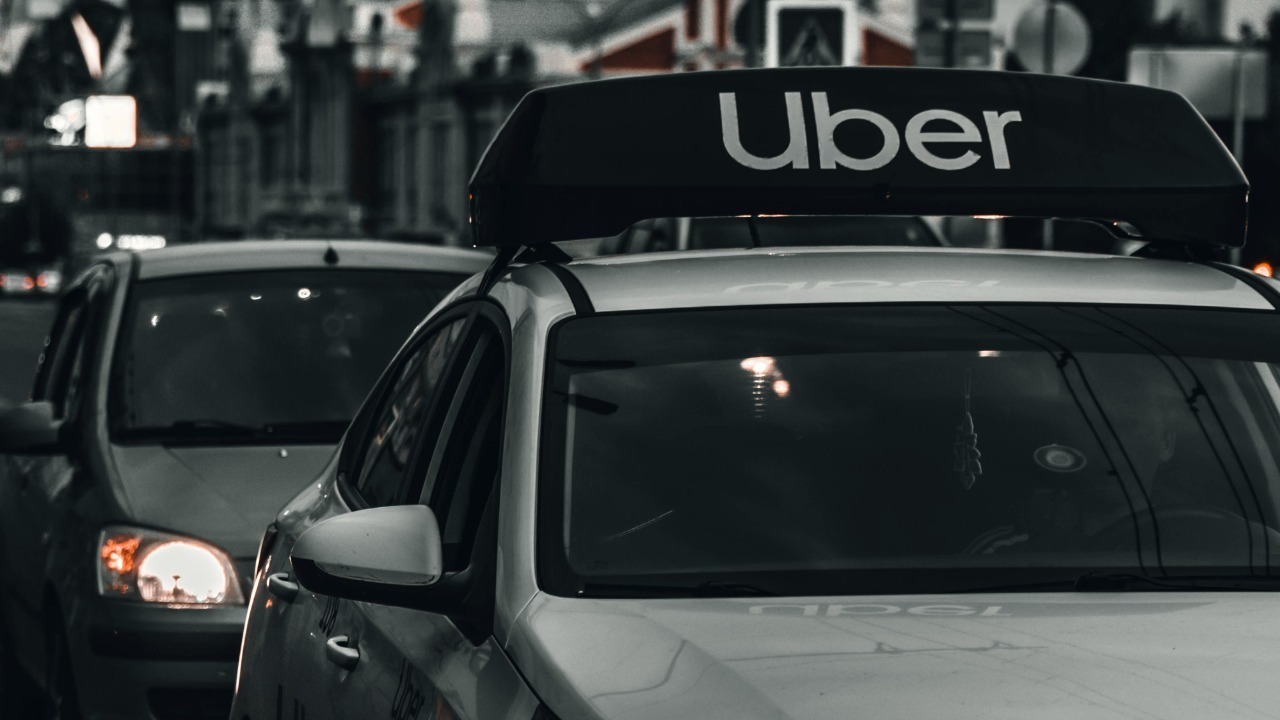
Uber announced a new business unit called Uber Autonomous Solutions on February 23, 2026, designed to speed the integration of self-driving vehicles into its ride-hailing and delivery networks worldwide. The move comes as Waymo, the Alphabet-owned robotaxi operator, continues expanding driverless service across Los Angeles under permits granted by the California Department of Motor Vehicles. Together, the two developments signal that the competition for autonomous rides on LA streets is intensifying, with real consequences for drivers, passengers, and city infrastructure.
Uber Bets on Partnerships Over In-House Robotaxis
Rather than building its own autonomous vehicles from scratch, Uber is betting that its massive rider network and logistics data give it an edge as a platform for other companies’ self-driving technology. The company’s newly formed autonomous solutions unit is structured to help outside AV developers plug their vehicles into the Uber app, handling everything from ride dispatch to payment processing. That approach lets Uber avoid the capital-heavy work of designing sensor stacks and training driving models while still capturing revenue from each autonomous trip.
Two early partnerships illustrate the strategy. Uber is working with Nuro and Lucid to develop a purpose-built electric robotaxi that combines Nuro’s autonomous driving software with Lucid’s EV platform, with Uber as the distribution channel. Separately, Uber has teamed with Nvidia to create a data factory that uses Uber’s vast pool of trip and mapping information to train autonomous driving AI systems. By pairing real-world ride data with Nvidia’s computing power, Uber is positioning itself as the connective tissue between AV hardware makers and the millions of riders who already use its app daily.
Uber AV Labs and the Software Play
Alongside the partnerships, Uber has set up a dedicated research arm called AV Labs to build the software tools that autonomous vehicle operators need to run on the Uber platform. The lab focuses on fleet management, route optimization, and the technical handoffs that occur when a driverless vehicle needs to interact with the app’s pricing and dispatch systems. This is the layer of work that most riders never see but that determines whether a robotaxi trip feels seamless or frustrating.
The distinction matters because Uber tried and abandoned its own self-driving car program years ago after a fatal crash in Arizona and billions in development costs. That experience taught the company a hard lesson: building autonomous vehicles is enormously expensive and slow. The current strategy flips the model. Instead of competing head-to-head with Waymo on vehicle engineering, Uber is trying to become the default operating system that any AV maker can use to reach passengers. If it works, Uber could field robotaxis from multiple manufacturers on a single app, giving it fleet diversity that no single-brand operator can match and allowing it to scale faster in cities where regulators allow multiple AV providers onto the streets.
Waymo’s Head Start in Los Angeles
While Uber assembles its partnership network, Waymo already has driverless cars on LA roads. The approved operating zones published by the California DMV show that the agency authorized Waymo to deploy robotaxis without a safety driver in parts of Los Angeles beginning in January 2024. That approval built on Waymo’s existing authorizations for driverless testing and deployment across California, making it one of the most permitted AV operators in the state and giving it an early foothold in one of the country’s most car-dependent regions.
The DMV permit roster for autonomous vehicles underscores the gap between Waymo’s operational status and where most competitors stand. Waymo holds both testing and deployment permits, meaning its vehicles can carry paying passengers without a human behind the wheel, subject to the geographic and operational limits the DMV has set. Most other permit holders, including several companies that have announced collaborations with Uber, hold only testing permits that require a trained safety driver in the vehicle at all times. That regulatory distinction is the difference between a research project and a commercial service, and it gives Waymo a significant lead in the LA market as Uber and its partners work through the same process.
California’s Permit System Shapes the Race
The state of California has built one of the most structured regulatory frameworks for autonomous vehicles in the country, and its permit tiers directly shape how quickly any company can bring robotaxis to riders. The DMV’s system separates testing permits, which allow on-road development with a safety driver, from deployment permits, which authorize fully driverless commercial service. Companies must demonstrate safety records, submit disengagement reports, and meet insurance requirements before advancing from one tier to the next. The process is deliberately incremental, reflecting political pressure to avoid the kind of loosely regulated AV testing that produced early high-profile incidents and eroded public trust.
For Uber, this tiered system creates both an opportunity and a bottleneck. Its AV partners, including Nuro, appear on the DMV’s testing permit list, but securing deployment authorization requires each partner to independently clear California’s safety benchmarks. Uber cannot shortcut that process through its own brand recognition or rider base, and regulators evaluate each vehicle platform on its own merits. The practical result is that even if Uber’s platform software is ready tomorrow, its robotaxi service in LA depends entirely on when its hardware partners earn deployment permits. That timeline is outside Uber’s direct control, and it is the single biggest variable in whether the partnership model can compete with Waymo’s vertically integrated approach over the next several years.
What This Means for LA Riders and Drivers
For the millions of people who use ride-hailing apps in Los Angeles, the arrival of robotaxis raises immediate questions about price, availability, and safety. Autonomous vehicles eliminate the cost of a human driver, which is the largest variable expense in many ride-hailing trips. If robotaxis reach scale, fares could drop meaningfully, particularly on short urban routes where labor costs represent the biggest share of the price. That prospect is attractive for riders who face rising transportation costs across the city, but it is threatening for the large pool of gig drivers who depend on platforms like Uber and Lyft for income in Southern California and have few clear guarantees about how long human-driven work will remain available.
The tension between lower fares and driver displacement is not theoretical. Waymo’s driverless rides in LA are already happening under DMV approval, and Uber’s announcement signals that the company expects autonomous trips to become a growing share of its business over time. Uber has not publicly detailed how it plans to manage the transition for its existing driver workforce, and no official statements from LA city officials about infrastructure readiness for large-scale robotaxi deployment have been made available in the current reporting. That silence is itself telling. The city is effectively allowing the technology to advance under state-level permitting while broader debates over labor protections, curb space, and traffic impacts lag behind, leaving drivers and riders to navigate a future that is being shaped more by corporate strategy and regulatory filings than by public policy discussions.
Infrastructure, Safety, and the Road Ahead
As Uber and Waymo race to put more autonomous vehicles on LA roads, the city’s physical and digital infrastructure will be tested. Robotaxis rely on detailed maps, consistent lane markings, and predictable traffic patterns, yet many Los Angeles neighborhoods struggle with faded paint, uneven pavement, and complex intersections. Companies can compensate with better sensors and software, but only up to a point. Large-scale deployment may require closer coordination between AV operators and local transportation agencies on basics like signal timing, dedicated pick-up zones, and data sharing about traffic flows, none of which have been fully spelled out in public plans so far.
Safety perceptions will be just as important as technical performance. Every collision involving an autonomous vehicle tends to attract outsized attention, even when human drivers are at fault, and a few high-profile incidents could slow adoption regardless of what the statistics show. Regulators at the DMV and in state government have tried to address this by publishing permit lists and operating areas, but riders ultimately decide whether they feel comfortable getting into a car with no one in the driver’s seat. If early experiences in LA are smooth and uneventful, Uber and Waymo could normalize robotaxis quickly. If not, the city could become another test case in how public skepticism can slow even the most ambitious technology rollouts.
More From The Daily Overview
*This article was researched with the help of AI, with human editors creating the final content.

Grant Mercer covers market dynamics, business trends, and the economic forces driving growth across industries. His analysis connects macro movements with real-world implications for investors, entrepreneurs, and professionals. Through his work at The Daily Overview, Grant helps readers understand how markets function and where opportunities may emerge.

