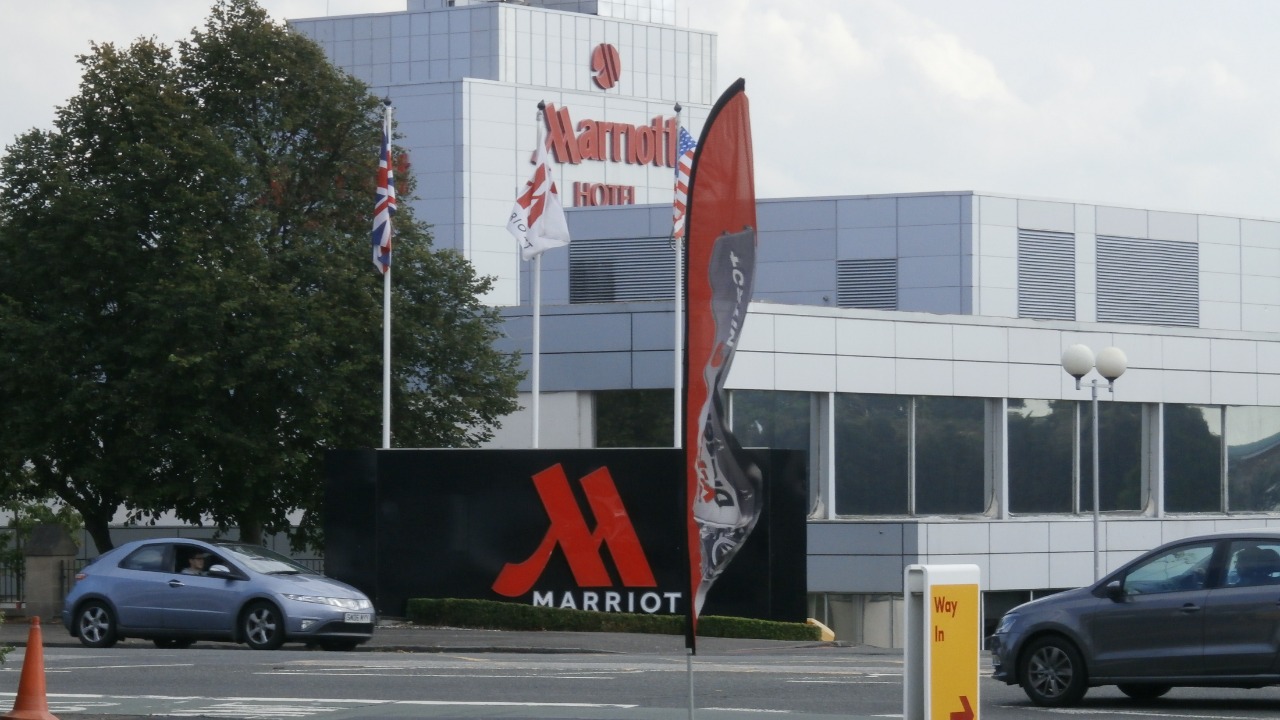
Nearly 10,000 rooms tied to Marriott’s fast‑growing short‑term rental experiment have gone dark in a matter of days, leaving guests locked out of units, luggage in hallways, and vacations abruptly canceled. The sudden Chapter 7 collapse of a Marriott‑linked operator and the implosion of its partner Sonder have turned a bold bet on “apartment‑style” stays into a case study in how quickly hospitality innovation can unravel. What began as a sleek alternative to Airbnb has ended with stranded travelers and urgent questions about who is actually responsible when a branded stay disappears overnight.
At the center of the chaos is a web of licensing deals, white‑label tech integrations, and co‑marketing that blurred the line between Marriott and the third‑party companies running thousands of its units. Guests booked with the confidence of a global hotel brand, only to discover that the entity holding their reservation was a thinly capitalized startup now racing into liquidation. I want to unpack how that structure failed, why 9,900 units went offline so abruptly, and what it means for anyone who thought a big logo on a booking page guaranteed a safe place to sleep.
The Chapter 7 shock that pulled 9,900 units offline
The immediate trigger for the current turmoil was a Chapter 7 bankruptcy filing by a short‑term rental operator that had been tightly linked to Marriott’s push into apartment‑style stays. According to reporting on the Marriott‑linked rental company, the business is shutting down entirely, not restructuring, which means its portfolio of roughly 9,900 units is being liquidated and its operations are ceasing. Guests who had already checked in or were en route suddenly found their stays in limbo, with on‑site staff either dismissed or unsure who was still in charge of the buildings.
The operator at the heart of this was founded in 2014 and grew aggressively by positioning itself as a hybrid between a hotel and a vacation rental, a model that dovetailed neatly with Marriott’s own ambitions. Reporting notes that it was founded in 2014 with ambitions to lock in long‑term building deals for the next two decades, effectively turning entire towers into branded suites. That growth left thousands of travelers exposed when the company opted for liquidation rather than a managed wind‑down, because Chapter 7 prioritizes creditors and asset sales, not continuity of service for people who happen to be sleeping in the assets when the music stops.
How Sonder became Marriott’s flagship partner
Parallel to that rental operator, Sonder had emerged as the marquee name in Marriott’s alternative accommodations strategy, marketed as a stylish, tech‑forward option that still plugged into the Marriott Bonvoy ecosystem. Sonder, which is described as a hybrid between short‑term rentals and hotels, was founded in 2014 and built its brand on apartment‑like units with hotel‑style standards, a pitch that resonated with younger travelers who wanted kitchens and living rooms without sacrificing reliability. Marriott saw an opportunity to fold that inventory into its own channels, giving Bonvoy members more choice while filling Sonder’s rooms with loyalty traffic.
Last year, Marriott formalized that relationship through a long‑term strategic licensing agreement that created a dedicated collection of Sonder properties within the Marriott system. Reporting notes that Last year, Marriott entered into this licensing deal to feature Sonder units in the United States, Canada, and other international countries where it operates, effectively treating Sonder as a quasi‑brand under its umbrella. For guests, that meant Sonder rooms appeared side by side with traditional Marriott hotels on Bonvoy’s website and app, often marketed with the same loyalty perks and booking protections, even though the underlying ownership and risk sat with Sonder itself.
The abrupt breakup and Marriott’s termination notice
The relationship began to unravel when Marriott decided to terminate its licensing agreement with Sonder, a move that set off a rapid chain of events. In an official statement, Marriott International, listed as NASDAQ: MAR, announced that its agreement with Sonder Holdings Inc, identified as NASDAQ: SOND, was no longer in effect and that Sonder properties would stop accepting new bookings on Marriott’s channels. That decision effectively cut Sonder off from a major distribution pipeline and from the credibility that came with being presented as part of the Marriott family.
Behind the scenes, the split was even more contentious than the public statements suggested. A later court filing describes how In the filing, Marriott asserts that Sonder tried to use guest safety as a negotiating tool, allegedly warning that, unless Marriott agreed to new terms, it would not be able to ensure safe operations at certain properties. Marriott says it did not learn until Nov that Sonder was on the brink of a full shutdown, a timeline that helps explain why the termination and the subsequent collapse felt so sudden to travelers who had booked months in advance.
Collapse of Sonder and the human cost for guests
Once the licensing agreement ended, Sonder’s financial problems quickly spilled into public view. The company announced that it was immediately winding down operations and planning to file for bankruptcy, a move that left guests mid‑stay with little warning. Coverage of the Collapse of Sonder details how travelers arrived to find front desks unmanned, digital locks disabled, and local staff delivering eviction notices with only minutes to pack up. For people who had chosen Sonder precisely because it was backed by Marriott, the shock was not just logistical but emotional, a sense that the safety net they thought they had paid for simply did not exist.
The stories that have emerged from guests are strikingly similar. One traveler, identified as D’Aoust, is described as just one of many who were told to leave with almost no time to make alternative arrangements, after the deal with Marrio ended and booking arrangements were abruptly severed. Others recounted being locked out of rooms while their belongings were still inside, or being informed by email that their upcoming stays were canceled even as they boarded flights. The human cost of the collapse is measured not only in ruined vacations but in the stress of scrambling for shelter in unfamiliar cities, often at far higher last‑minute prices.
From licensing deal to liquidation: how the timeline compressed
What makes this saga so jarring is how quickly it moved from a high‑profile partnership to a full liquidation. Background reporting on the Partnership and Collapse notes that Sonder’s model, as a hybrid between short‑term rentals and hotels, depended heavily on stable building leases and steady occupancy. Once Marriott pulled its distribution support, the economics of those leases deteriorated rapidly, leaving Sonder with fixed costs it could no longer cover. The company then moved from warning signs to a Chapter 7 filing in a matter of days, giving guests and building owners very short notice to vacate.
A detailed post‑mortem on Sonder’s sudden collapse underscores how the termination of the Marriott licensing agreement was the tipping point. The collapse came to a head when Marriott ended the deal, after which Sonder began giving some guests as little as 24 hours’ notice to vacate their units. That compressed timeline meant there was no orderly wind‑down, no phased closure of properties, and no coordinated plan to rebook travelers into alternative accommodations. Instead, the shutdown rippled through cities in real time, as local managers taped notices to doors and guests refreshed their apps, hoping their access codes would still work.
Travel chaos on the ground: stranded guests and “nightmare” stays
On the ground, the abstract language of “winding down operations” translated into scenes that looked more like sudden evictions than hotel checkouts. One report describes how Sonder announced on a Monday that it was immediately winding down and planning to file for bankruptcy, with its CEO, identified as the head of Sonder, acknowledging that guests would be affected. Short‑term rental company Sonder is reported to have filed for bankruptcy the next day, after already issuing an announcement that it was Short on cash and facing operational challenges as it integrated into Marriott International’s systems. That one‑two punch left travelers with almost no time to react.
Television segments captured the human drama in real time. One broadcast described how tonight hotel guests were left stranded and caught in a travel nightmare, with families recounting horror stories of arriving late at night to find buildings dark and phone lines unanswered. Another segment reported that a Marriott partnered short‑term rental company had gone bankrupt, leaving guests scrambling as they were told to vacate or discovered their reservations no longer existed in the system. For many, the chaos was compounded by the fact that they had prepaid through major credit cards or redeemed loyalty points, making it unclear who would refund them or how quickly.
Marriott’s response and the limits of brand protection
As the crisis unfolded, Marriott tried to draw a line between its own operations and those of its partners, while still reassuring affected travelers. In public statements, the company emphasized that “Marriott’s immediate priority is supporting guests currently staying at Sonder properties and those with upcoming reservations,” a commitment reflected in coverage of the travel chaos. Yet even as Marriott staff worked to rebook some guests into traditional hotels, others described “travel hell,” with luggage placed in hallways and doors reprogrammed while they were still inside.
In cities like Philadelphia, local coverage has focused on who exactly is impacted and what recourse they have. One report framed the question bluntly as Who is impacted, noting that existing and upcoming guests have had their plans derailed and are being told to reach out to customer service for assistance. Marriott has pointed travelers toward its own support channels and Bonvoy FAQ pages, including guidance that says, “Please refer to this FAQ” or contact Member Support. Those responses highlight the tension between Marriott’s desire to protect its brand and the legal reality that many of the failed units were operated by separate corporate entities.
Why guests thought they were booking Marriott, not a startup
Part of the outrage stems from how these stays were marketed. On Marriott’s own channels, Sonder units and the now‑bankrupt rental company’s apartments appeared alongside full‑service hotels, often with similar photography, loyalty badges, and cancellation policies. Guests saw the Marriott name and assumed they were dealing with the same level of capital backing and operational redundancy that protects a typical Marriott hotel stay. In reality, they were booking inventory controlled by Sonder or the separate rental operator, whose balance sheets were far more fragile.
That confusion was compounded by the way the partnership was described in public communications. Marriott’s announcement about terminating its agreement with Sonder Holdings Inc emphasized that the properties were operated by Sonder, but for many guests, that nuance was buried in fine print. When things went wrong, they turned first to Marriott, not to Sonder or the rental startup, because that was the brand they recognized and trusted. The result is a reputational hit that extends beyond the specific companies in bankruptcy, raising broader questions about how transparent hotel giants must be when they white‑label third‑party inventory.
What this means for the future of hybrid hotel‑rental models
The collapse of Sonder and the Chapter 7 liquidation of a Marriott‑linked rental operator are already reshaping how the industry thinks about hybrid models. For years, companies like Sonder pitched themselves as the future of hospitality, blending the flexibility of short‑term rentals with the consistency of hotels. The Collapse of Sonder and the shuttering of 9,900 units show how exposed that model can be when it relies on long‑term leases, high debt loads, and a single powerful distribution partner. Once that partner pulls back, there is little cushion between a bad quarter and a full shutdown.
At the same time, the episode is forcing Marriott and its peers to rethink how they structure and communicate these partnerships. The detailed Marriott, Sonder court filings suggest that future deals will include stricter disclosure requirements, clearer operational safeguards, and perhaps more direct oversight of guest safety and continuity plans. For travelers, the lesson is equally stark: a big logo on a booking page is not a guarantee that the company behind your room has the financial strength of a global hotel chain. Until the industry closes that perception gap, the risk of another “Chapter 7 chaos” moment will remain very real.
More From TheDailyOverview

Elias Broderick specializes in residential and commercial real estate, with a focus on market cycles, property fundamentals, and investment strategy. His writing translates complex housing and development trends into clear insights for both new and experienced investors. At The Daily Overview, Elias explores how real estate fits into long-term wealth planning.

