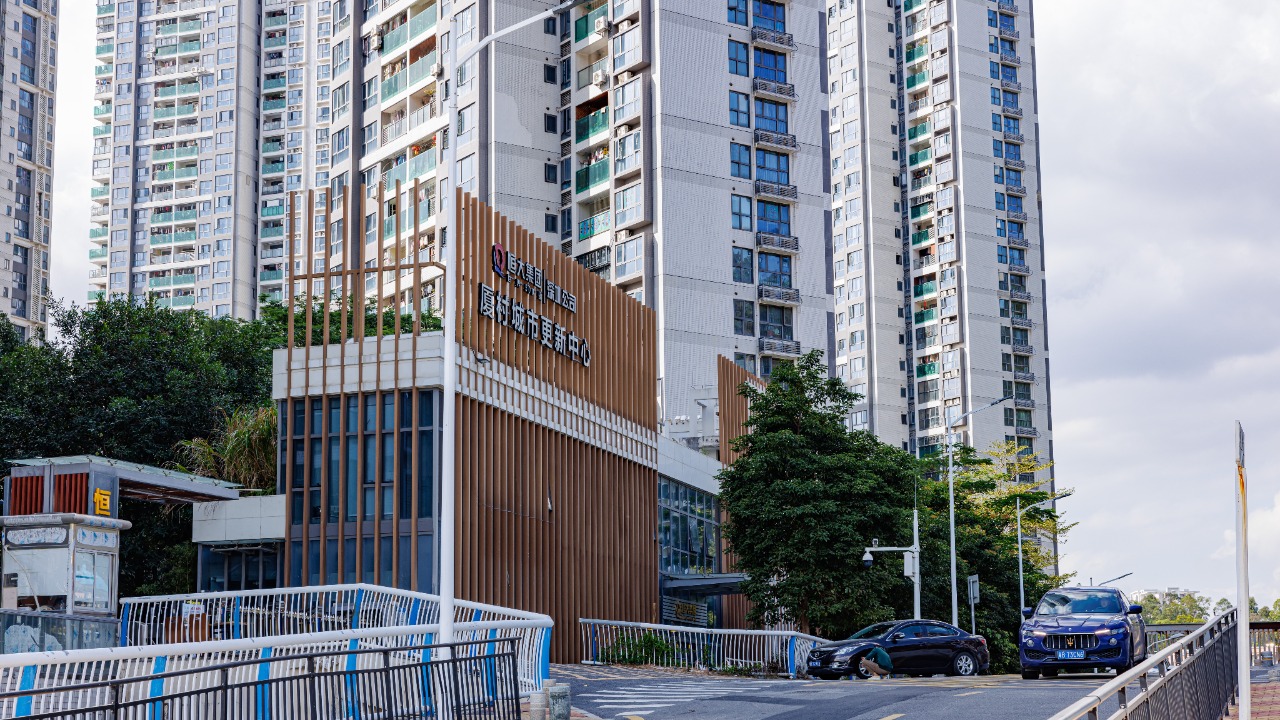
The implosion of Evergrande was sold to the world as a contained drama, a single bad actor finally brought to heel. In reality, the group’s collapse has exposed structural fractures that still run through China’s growth model, its financial system and the daily lives of ordinary homebuyers. The most visible crisis is over, but the aftershocks are still rippling through construction sites, local government budgets and consumer confidence across the country.
I see Evergrande less as a one-off scandal than as a stress test that China has not yet fully passed. The liquidation orders, delisting and unfinished projects are symptoms of a deeper transition away from a property‑fuelled era, and the hidden damage is only gradually coming into focus.
The giant that fell, and what it revealed
At its peak, Evergrande was a symbol of how far the property boom could stretch China’s balance sheet. The developer, described in one video as having been buried under more than $300 billion of obligations, grew by promising homes to millions of buyers long before the buildings were finished. When the cash stopped flowing, that leverage turned from an engine of growth into a systemic risk, and the group’s failure became a live experiment in how far authorities would go to protect investors, banks and households.
The formal unravelling has been brutal. A Hong Kong court ordered the company to be wound up, with liquidators told they could seize and sell assets so that proceeds can be used to repay outstanding debts, even as officials warned that not every creditor would be made whole and asked bluntly, “Why should I care if Evergrande collapses?” The group had already tried to negotiate a $23 billion restructuring plan, a deal that fell apart when regulators blocked new borrowing and the company’s ability to finish projects evaporated, leaving its Evergrande brand synonymous with unfinished concrete shells rather than aspirational living.
From stock market star to near‑worthless ticker
The collapse has been just as stark in financial markets. Once a flagship of Chinese real estate on the Hong Kong bourse, Evergrande saw the crisis wipe more than 99 percent from its stock market valuation, turning a blue‑chip name into a penny stock before trading was finally halted. Earlier in the wind‑down process, liquidators Alvarez and Marsal were appointed to pick through what remained, a sign that the company’s fate had shifted from corporate rescue to asset recovery and that equity investors were effectively wiped out.
The endgame played out on the Hong Kong exchange screens. The Hong Kong Stock Exchange bid farewell to the real estate giant in what one analysis framed as an Evergrande Crackdown, a “Shockwave for China and the World” that underscored how a sector once contributing less than 1 percent of global GDP had come to fuel growth and wealth far beyond mainland borders. When The Hong Kong Exchange later confirmed that Evergrande shares were delisted as of Monday morning after the company failed to present a viable restructuring plan, it marked the formal end of its life as a listed firm and a warning to other heavily indebted developers.
Legal drama, police scrutiny and the message to executives
The corporate collapse has been accompanied by a legal and political drama that sends a clear signal to other tycoons. Evergrande’s chairman was placed under police surveillance after the group, in August, filed for bankruptcy protection in the US in a bid to shield its American assets while it worked on a restructuring deal. The move suggested that authorities were not only concerned with financial contagion but also with assigning responsibility for a business model that had left hundreds of thousands of buyers waiting for homes and contractors short of cash.
In Hong Kong, the delisting process itself became a kind of public reckoning. Coverage of the final trading days described how the firm’s stock market value had almost entirely evaporated, even as its liquidators signalled that they would pursue assets in real estate and infrastructure across multiple jurisdictions. For executives at other developers, the combination of police scrutiny, court‑ordered liquidation and cross‑border asset hunts is a stark reminder that the era of unchecked expansion is over, and that personal accountability is now part of the risk calculus.
Unfinished homes and the human cost of “broken houses”
Behind the balance sheets, the most painful legacy of Evergrande is visible in half‑built towers and idle cranes. Four years after the initial crash, Chinese families are still posting online about being stuck in “broken houses”, a phrase that captures both the physical state of their apartments and the emotional toll of paying mortgages on homes they cannot live in. One widely shared discussion describes how, even long after the headlines faded, buyers remain trapped in projects linked to Evergrande, with little clarity on when construction will resume.
These stalled developments are not just personal tragedies, they are also a drag on local economies. Households that had expected to move into new homes are instead diverting income to rent and mortgage payments simultaneously, while local governments lose out on the consumption that usually follows a move, from furniture to appliances. Analysts at one policy institute argue that the collapse of Evergrande has left many Chinese households seeing their one major asset, housing, depreciate or remain inaccessible, eroding the sense of security that underpinned decades of high savings and property investment.
A property crisis that spread far beyond one developer
Evergrande’s implosion did not happen in isolation, it was the most dramatic failure in a sector already under pressure from tighter regulations and slowing demand. Commentators have described the The Evergrande Debacle as a Symptom of a Larger Problem The, arguing that the Evergrande Group’s reliance on pre‑sales and aggressive borrowing was shared by many peers whose construction projects became unsustainable once credit conditions tightened. Among the companies hardest hit by China’s property crisis that started in 2021 was former giant Among the China Vanke, where bondholders have rejected payment extensions and raised the risk of default, showing that the liquidity crunch is far from resolved.
Video explainers have framed the saga as part of a broader housing meltdown, noting how Everrand, once the country’s largest property developer, is now history on the Hong Kong Stock Exchange after trading was suspended on Augus and the company failed to meet listing requirements. Another segment on the sector’s biggest casualty describes how Hong Kong investors watched as china’s property bubble claimed its most prominent victim, with everrand delisted from the Hong Kong stock exchange and global markets reassessing their exposure to Chinese developers more broadly.
Macro headwinds: tariffs, debt and a new growth model
The property slump has collided with other macroeconomic headwinds, amplifying the shock. China is facing a number of major problems, including US China President Donald Trump’s tariffs, high local government debt and a slowdown in global demand that has left export‑oriented regions struggling. In that context, the loss of property‑related revenue, from land sales to construction activity, has removed one of the most reliable engines of local growth just as officials are being asked to stabilise employment and incomes.
Analysts argue that the Evergrande crisis marked a significant turning point for the real estate sector and had broader implications for the global economy, as investors reassessed the safety of China Evergr debt payments and questioned whether the old model of debt‑fuelled construction could continue. One detailed examination of what Evergrande’s collapse says about the Chinese economy concludes that Evergrande’s collapse indicated that the Chinese economy was overly reliant on the windfalls from selling land, and that this strategy had run its course after two decades of reform‑era expansion.
From housing shock to “consumption downgrade”
The property downturn is also reshaping how Chinese households spend, and how brands respond. With wealth tied up in homes that are falling in value or remain unfinished, many families are trading down, a trend some analysts describe as a How Should Brands Respond to China’s Consumption Downgrade Trend that is driving a structural transformation in the country’s consumer market. Instead of buying premium smartphones or imported cosmetics, shoppers are opting for domestic brands, discount platforms and second‑hand goods, a shift that reflects both caution and a reassessment of what counts as value.
Luxury and aspirational sectors are feeling the chill. One analysis of how Evergrande’s bankruptcy has affected sentiment notes that the filing for bankruptcy has triggered a range of issues, affecting regulators, investors and consumer confidence, with Key Takeaways highlighting how high‑end retailers now face slower growth in cities once buoyed by property wealth. For global brands that had banked on an endlessly rising Chinese middle class, the message is clear: the property‑driven consumption boom is over, and future demand will be more uneven and price‑sensitive.
Regulators’ tightrope: containing risk without crushing growth
Officials are trying to walk a narrow line between disciplining reckless borrowing and preventing a broader financial crisis. Commentators like Vivek Dhar have argued that the Evergrande collapse “underscores” deep issues with China’s property sector, including the reliance on pre‑sales and the assumption that prices would always rise. At the same time, regulators have been cautious about triggering a wave of bankruptcies, preferring targeted support for projects deemed socially sensitive, such as those involving large numbers of first‑time buyers.
Yet the policy response has been uneven. Some analyses of the Conclusion Overall impact argue that the collapse of Evergrande serves as a significant warning signal for broader concerns regarding the Chinese economy, including the risk that households, seeing their one major asset depreciate, will pull back spending for years. Others, looking at the Larger Problem The sector faces, warn that piecemeal bailouts risk entrenching moral hazard if investors come to believe that even the most aggressive developers will ultimately be rescued.
The global lens on a domestic reckoning
Outside observers have watched the Evergrande saga as a test of how a rising power manages financial stress. International explainers on the Evergrande Collapse and on china’s biggest property sector collapse have highlighted how ever Grand, once expected to be the country’s largest developer, became a cautionary tale about overreliance on real estate as a growth engine. For investors in New York, London and Singapore, the lesson is that Chinese corporate debt, especially in property, carries political and regulatory risks that are harder to model than traditional credit metrics.
At home, the crisis has forced a broader debate about what kind of economy China wants to build after the property era. Analysts of the Evergrande collapse argue that the shock has accelerated a shift toward more sustainable, consumption‑driven growth, but also exposed how difficult that transition will be while households remain wary and local governments are saddled with debt. For now, the hidden damage from Evergrande’s fall is still working its way through balance sheets and family budgets, a reminder that the real cost of the boom will be counted over years, not news cycles.
More From TheDailyOverview

Grant Mercer covers market dynamics, business trends, and the economic forces driving growth across industries. His analysis connects macro movements with real-world implications for investors, entrepreneurs, and professionals. Through his work at The Daily Overview, Grant helps readers understand how markets function and where opportunities may emerge.

