Millions of Amazon shoppers are about to see a small but meaningful windfall land in their inboxes, as refunds of up to $51 start rolling out from a historic federal settlement. The payments stem from a $2.5 billion agreement over how the company handled Prime sign-ups and cancellations, and they are being delivered automatically to people who qualify. If you have ever felt nudged into a subscription you did not really want, this is the rare moment when the fine print is finally working in your favor.
I am focusing on what matters most to you right now: whether you are eligible, how much you can realistically expect, and exactly where and when to look for that email or credit. The process is already underway, and the window to act on your refund will not stay open forever, so it is worth taking a few minutes to understand how this settlement works before you scroll past a message that could be worth $51.
Why Amazon is paying out up to $51 per customer
The refunds trace back to a sweeping enforcement action that resulted in a $2.5 billion settlement with Amazon over its Prime practices. Federal officials said the company made it too easy to enroll and too hard to cancel, and the Trump administration’s competition team, referred to in the record as the Trump-Vance FTC, ultimately pushed for direct payments to affected customers as part of the resolution. That is why the refund pool is so large, and why the typical payout is capped at $51 in Prime membership fees per person.
According to the official refund program, the Trump-Vance FTC described the agreement as a historic $2.5 billion settlement and laid out a plan for how Amazon would return money to people who were charged for Prime in ways regulators said were not clearly consented to. The refund site explains that the enforcement action covers Prime membership fees, with individual payments limited to $51, and that the process is being administered through a dedicated refunds portal that tracks the status of the settlement and the rollout of payments.
Who qualifies for the Amazon Prime refund
Eligibility is not universal, and that is where many people will be tempted to tune out, but the criteria are straightforward once you break them down. The settlement focuses on customers who were enrolled in Prime and then charged membership fees that regulators say were not adequately disclosed or were difficult to avoid, especially around free trials that converted into paid plans. If you have ever signed up for a free Prime trial and later discovered charges you did not intend to approve, you are squarely in the group this settlement is designed to reach.
Consumer guidance issued on Sep 29, 2025 spells this out clearly, noting that Amazon agreed to pay $2.5 billion to settle the case and that eligible customers can receive refunds of Prime membership fees, up to $51, if they meet the criteria set by the enforcement order. The advisory, titled with the prompt “Who’s eligible for a refund from Amazon?”, explains that the program is aimed at people who were charged for Prime in specific circumstances and that the refund amount is tied directly to those membership fees, with the $2.5 billion total funding the pool for these Prime refunds.
When to check your inbox and how the payments arrive
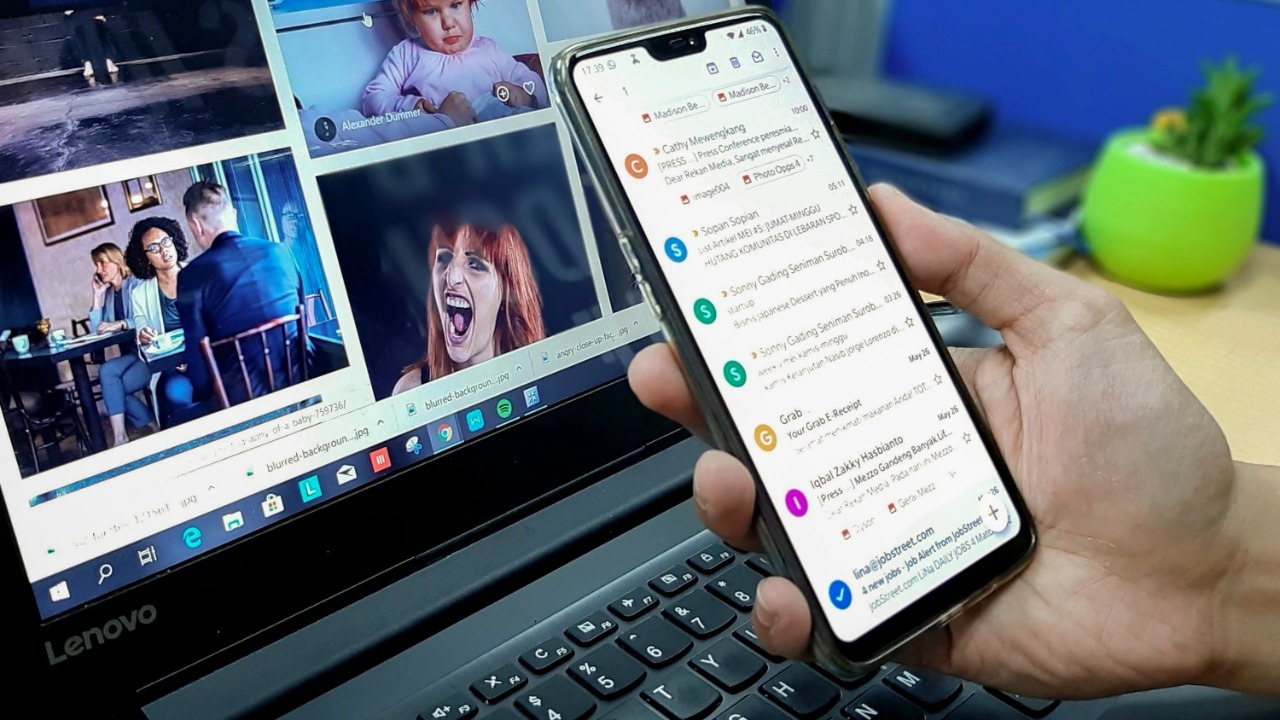
The most important timing detail for your inbox is that the refund rollout has already begun, and it is happening in stages. Officials said that automatic refunds for eligible Prime customers started going out earlier this week, with messages landing in email accounts tied to Amazon profiles and, in some cases, as credits applied directly to payment methods. That means you should be watching both your email and your account activity for signs that a refund has been issued, rather than waiting for a paper check to show up unannounced.
Reporting on the rollout notes that payouts for Amazon’s $2.5 billion settlement began in mid November, with Eligible Amazon customers now receiving instructions to claim their money and with individual refunds capped at $51 per person. The same coverage explains that automatic refunds for a subset of Prime members are already being processed, and that the messages include clear language about how to access the funds, which is why it is worth scanning your inbox for subject lines related to payouts for Amazon rather than assuming they are spam.
How the refund process actually works
Behind the scenes, the refund system is designed to be as automatic as possible, which is a departure from the usual claims-heavy process that often follows big corporate settlements. Regulators say Amazon will pay refunds in two stages, starting with an automatic refund process for eligible Prime customers and then moving to a claims phase for people who may be covered but do not receive an automatic payment. In practice, that means many people will see a credit or email without having to fill out any forms, while others will need to follow instructions to submit a claim within a set window.
The official refund information explains that Amazon will pay refunds in two stages, with an automatic refund process for eligible Prime customers and a separate claims process for others who might be eligible for an automatic refund but are not captured in the first wave. The same guidance notes that people who receive paper checks will be instructed to cash them within 60 days, and that the program is being managed through a dedicated page that details how you will get your money and what to do if you need to cash a refund check or follow up on a missing payment.
What to look for in your Amazon account and email
From a practical standpoint, the first place I would look is the email address tied to your Amazon login, especially if you have used multiple accounts over the years. Settlement messages are being sent to the contact information on file, so an old Gmail or Yahoo address you rarely check might be the one that actually receives the refund notice. Once you have confirmed which email is linked to your profile, it is worth searching for terms like “Prime refund” or “settlement” to surface any messages that might have slipped past your main inbox view.
It also helps to log directly into your Amazon account and review your Prime membership settings, billing history, and any recent credits. Some customers will see the refund applied as an account credit or a reversal of past charges, while others will be prompted to choose how they want to receive the money. Because the settlement is tied to specific Prime fees, the relevant entries should appear alongside your subscription charges, which makes your account dashboard a useful cross-check against whatever shows up in your email.
How much money you could actually receive
The headline number that has grabbed attention is the $51 cap, but the reality is that not everyone will receive the full amount. The refund is calculated based on the Prime membership fees you paid during the period covered by the settlement and the specific circumstances of how you were enrolled or renewed. If you were charged for several months of Prime that you did not intend to authorize, you are more likely to see a larger refund, while someone who only had a single unexpected charge might receive a smaller credit.
Guidance for consumers notes that customers may qualify for an automatic refund if they were charged for Prime in certain ways, and that most people will see amounts tied to a 12 month period after enrollment, with the total capped at $51 in membership fees. Coverage of the rollout adds that no application is required for many eligible customers, who will receive the refund automatically, and that the typical payment will reflect how long they were enrolled and how much they paid during the relevant 12 month period after enrollment, which is why the 12 month window is so central to the calculation.
Automatic refunds versus claims: what you need to do
For many people, the best part of this settlement is that it does not require jumping through hoops to get paid. The enforcement order set up an automatic refund process for eligible Prime customers, which means that if your account data clearly shows you were charged in the way regulators flagged, the system will simply issue a refund to your card, bank account, or as a check. In those cases, your main job is to recognize the payment when it arrives and, if it is a check, to deposit or cash it before the deadline.
For others, there will be a second step. The refund program explains that Amazon will pay refunds in two stages, with the first focused on automatic payments and the second on a claims process for people who might be eligible but are not captured in the initial data sweep. That means you may receive an email inviting you to submit a claim, verify your information, and confirm that you were charged for Prime in the way described by the settlement, a process that is detailed in the section describing how Amazon will pay refunds and who is eligible for an automatic refund.
How to avoid scams while you wait for your refund
Whenever a big corporate payout hits the news, scammers are never far behind, and this settlement is no exception. Fraudsters know that millions of people are expecting emails about Amazon refunds, so they will send convincing lookalike messages that try to trick you into sharing passwords, credit card numbers, or one time codes. The safest approach is to treat any unexpected message about a refund with skepticism until you have verified it through your official account or the government’s refund portal.
Consumer protection officials have already warned that scammers often use the names of well known companies and big FTC settlements to contact people, and they stress that you should not click on links or give out personal information in response to unsolicited calls, texts, or emails about refunds. The same advisory notes that legitimate messages about this program will direct you to official government or Amazon sites and that you can always cross check any outreach against the official guidance on who is eligible for a refund from Amazon, which includes a clear warning that scammers target big settlements and that you should rely on trusted links rather than whatever shows up in your inbox.
Why this settlement matters beyond the $51 cap
Even if your personal payout ends up being modest, the broader impact of this settlement is significant. A $2.5 billion enforcement action sends a clear signal to large subscription platforms that dark patterns and confusing cancellation flows are not just bad optics, they are expensive. For everyday users, it is a reminder that the way a “Start your free trial” button is designed, or how many clicks it takes to cancel, is not just a design choice but a regulatory issue that can lead to real money flowing back to customers.
Coverage of the settlement rollout highlights that Amazon Is Sending Automatic Refunds To Millions After Record $2.5 Billion FTC Settlement, and that the enforcement action is meant to give people more control over their subscriptions, including the option to end a membership without jumping through unnecessary hoops. As I see it, the combination of automatic refunds, a clear cap of $51 per person, and a public commitment to change how Prime is marketed and canceled is a rare example of a tech giant being forced to rework its playbook, and it is one that will likely influence how other subscription services structure their own sign up and cancellation flows in the wake of this Billion FTC Settlement.
More From TheDailyOverview
- Dave Ramsey says these two simple questions show whether you’re rich or poor
- Retired But Want To Work? Try These 18 Jobs for Seniors That Pay Weekly
- IRS raises capital gains thresholds for 2026 and what’s new
- 12 ways to make $5,000 fast that actually work

Cole Whitaker focuses on the fundamentals of money management, helping readers make smarter decisions around income, spending, saving, and long-term financial stability. His writing emphasizes clarity, discipline, and practical systems that work in real life. At The Daily Overview, Cole breaks down personal finance topics into straightforward guidance readers can apply immediately.

