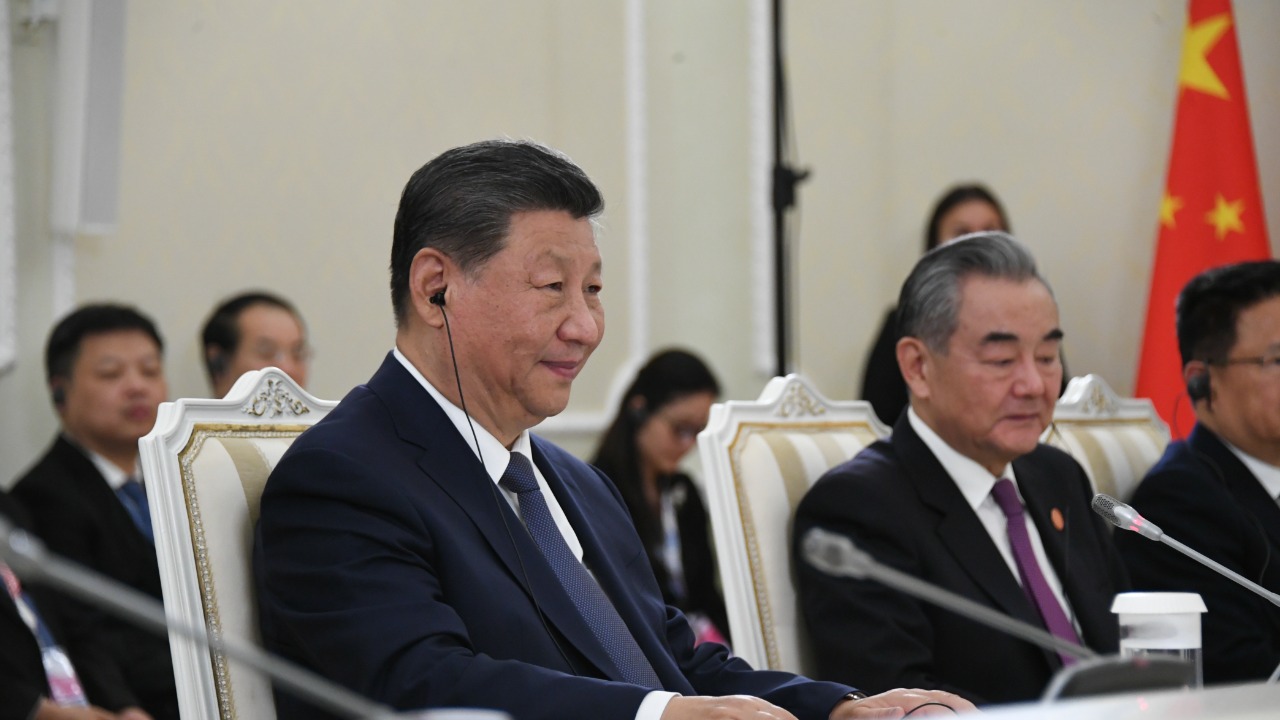
China has recently introduced new regulations that may pose significant challenges for Nvidia, a leading player in the global semiconductor industry. These measures could impact Nvidia’s business operations and market strategy, especially given China’s vital role in the tech supply chain. As the semiconductor landscape continues to evolve, understanding the implications of these regulatory changes is crucial for stakeholders across the tech sector.
China’s New Regulatory Measures
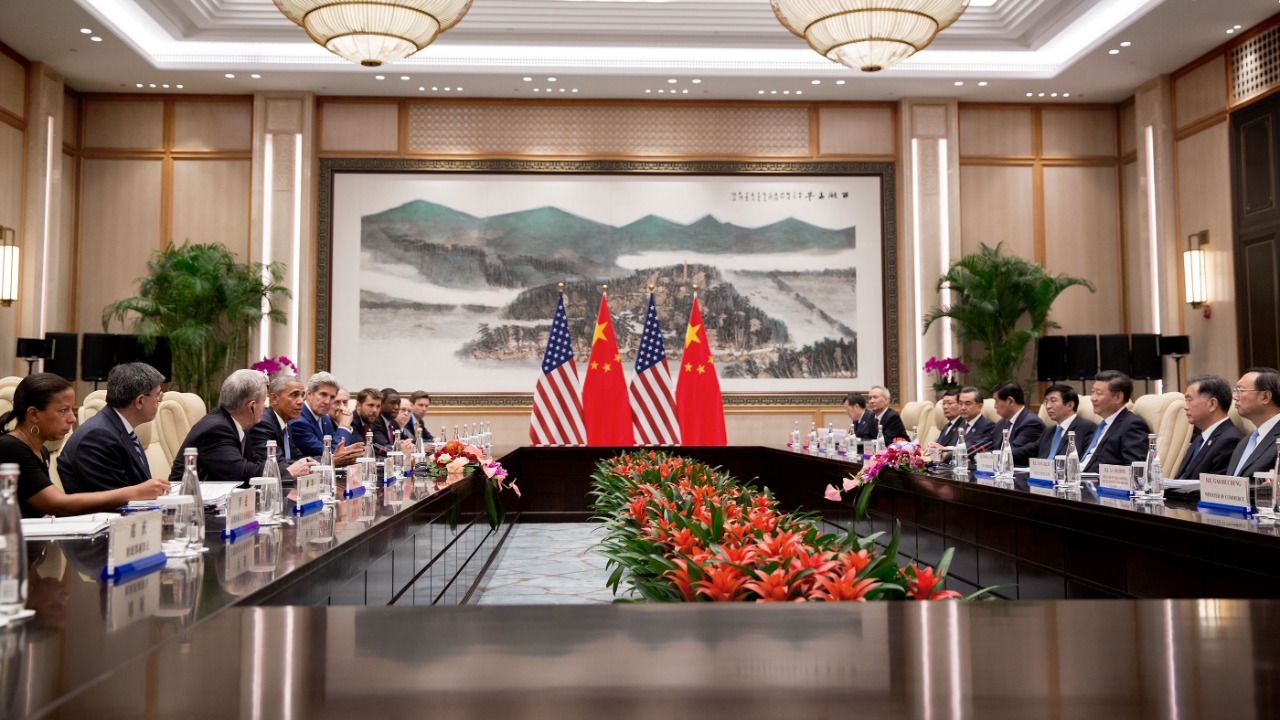
China has rolled out stringent new policies aimed at tightening its grip on the technology sector, focusing particularly on data security and foreign company oversight. These measures include stricter data localization requirements, cybersecurity reviews, and tighter export controls on critical technologies. For companies like Nvidia, which rely heavily on data and cutting-edge technology, these regulations could prove to be a significant obstacle. The new policies are designed to enhance China’s self-reliance in technology while mitigating risks posed by foreign entities.
The implications for foreign companies, particularly semiconductor manufacturers, are substantial. Nvidia, with its expansive global operations, may face increased scrutiny and compliance costs. The regulations could lead to delays in product launches and a potential reevaluation of business models to align with China’s strategic goals. Analysts suggest that these measures are part of China’s broader strategy to fortify its technological ecosystem against external pressures and to maintain control over critical segments of the market. As such, these regulatory changes are not merely administrative hurdles but reflect a deep-seated strategic shift in China’s approach to technology and foreign partnerships. For more detailed insights, click here.
Nvidia’s Position in the Global Market

Nvidia is a powerhouse in the global semiconductor industry, known for its innovative graphics processing units (GPUs) and advancements in areas like artificial intelligence and gaming. The company’s reliance on the Chinese market is significant, given China’s status as both a major consumer and a critical node in the supply chain. According to recent financial reports, Nvidia has experienced robust growth, driven by the demand for GPUs in gaming and data centers. However, geopolitical tensions and trade disputes have prompted Nvidia to reconsider its strategic investments and partnerships.
The introduction of China’s new regulations adds another layer of complexity to Nvidia’s operations. The company must navigate these changes while maintaining its competitive edge in the global market. Potential risks include disruptions in the supply chain, increased operational costs, and the need to diversify manufacturing locations. Nvidia’s reliance on China for both production and sales means that any regulatory changes could have significant ripple effects on its financial performance and market position. The company’s ability to adapt to these challenges will be a critical factor in its continued success. Learn more about Nvidia’s strategic investments in response to these challenges.
Impact on Supply Chain and Production

The new regulations could have far-reaching implications for Nvidia’s supply chain and production processes. China’s role as a central hub in the global tech supply chain means that any regulatory changes can lead to significant disruptions. For Nvidia, this might translate into delays in production timelines, increased costs for compliance, and potential shifts in manufacturing strategies. The company might be forced to explore alternative manufacturing locations outside China to mitigate risks and ensure uninterrupted production.
Such shifts could lead to new partnerships and collaborations with manufacturers in regions like Southeast Asia, where countries are eager to capitalize on opportunities arising from changes in the global supply chain dynamics. In the longer term, the semiconductor industry might witness a gradual decoupling of supply chains, with companies seeking to reduce dependencies on any single country. This trend could reshape global supply chains, leading to more diversified and resilient networks. For insights into how rural economies are adapting to changes in the tech landscape, check out China’s courtyard workshops.
Strategies for Overcoming Regulatory Hurdles
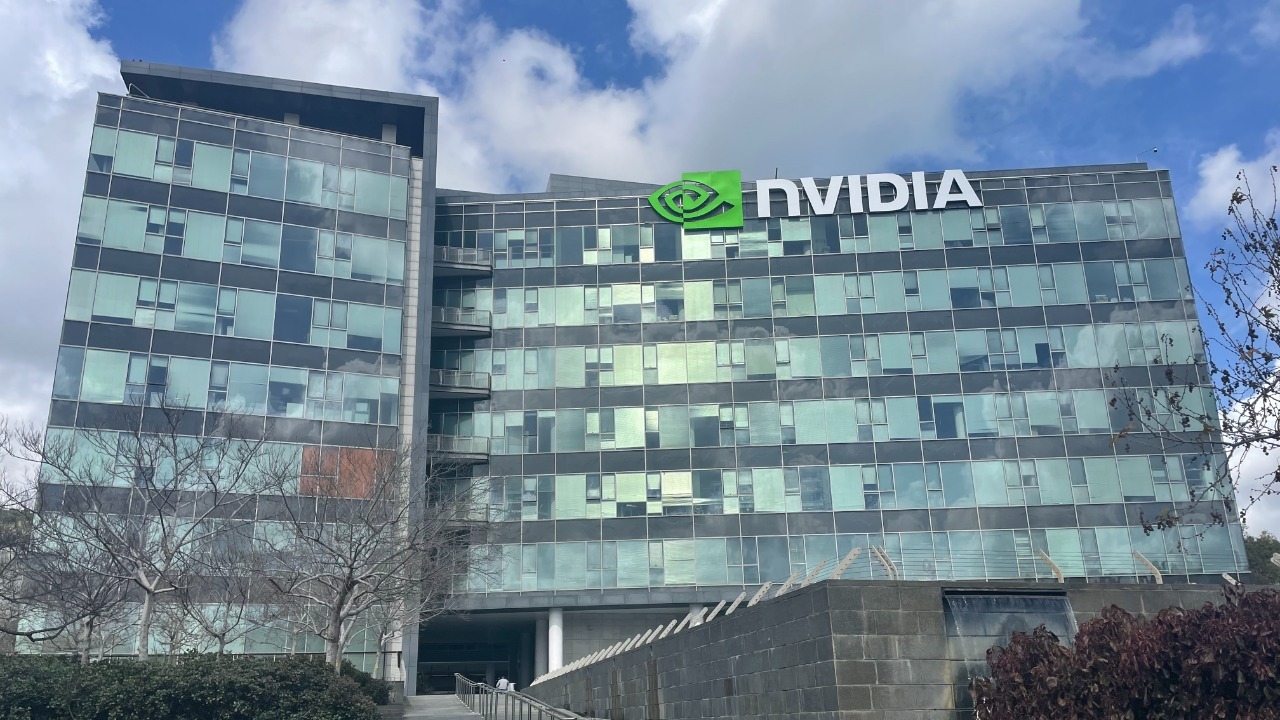
Nvidia is likely to adopt a multi-faceted approach to navigate the regulatory challenges posed by China. Investing in research and development (R&D) to innovate new technologies that comply with Chinese regulations could be a key strategy. By focusing on creating products that align with China’s regulatory framework, Nvidia can maintain its market presence while minimizing compliance risks. Additionally, forming strategic partnerships and collaborations with local Chinese companies could help Nvidia gain valuable insights into the regulatory landscape and leverage local expertise to streamline operations.
Another avenue for Nvidia could be to enhance its advocacy efforts, engaging with policymakers and industry stakeholders to influence regulatory developments in a way that balances national security concerns with business interests. By fostering open dialogues and building alliances, Nvidia can work towards creating a more favorable business environment. Furthermore, exploring opportunities in emerging markets and diversifying its customer base could help Nvidia mitigate the impact of regional regulatory challenges. For more on how international trade relations shape technology policies, see Columbia University’s analysis.
Broader Implications for the Tech Industry

Nvidia’s situation is emblematic of broader trends and challenges facing the global tech industry. As countries increasingly assert control over their tech ecosystems, companies must navigate a complex web of regulatory landscapes and geopolitical tensions. The balance between innovation and regulation is a delicate one, requiring companies to remain agile and adaptable. International trade relations and economic policies are playing a pivotal role in shaping the future of technology, with implications for everything from supply chains to market access.
Tech companies around the world can learn from Nvidia’s experiences, adopting proactive strategies to manage regulatory risks and capitalize on new market opportunities. By investing in technology and R&D, cultivating strategic partnerships, and advocating for balanced regulatory frameworks, companies can maintain their competitive edge in a rapidly evolving landscape. The lessons learned from Nvidia’s challenges can serve as valuable guidance for other tech firms facing similar hurdles. For an in-depth exploration of regulatory impacts on the tech industry, see this comprehensive study.

Grant Mercer covers market dynamics, business trends, and the economic forces driving growth across industries. His analysis connects macro movements with real-world implications for investors, entrepreneurs, and professionals. Through his work at The Daily Overview, Grant helps readers understand how markets function and where opportunities may emerge.

