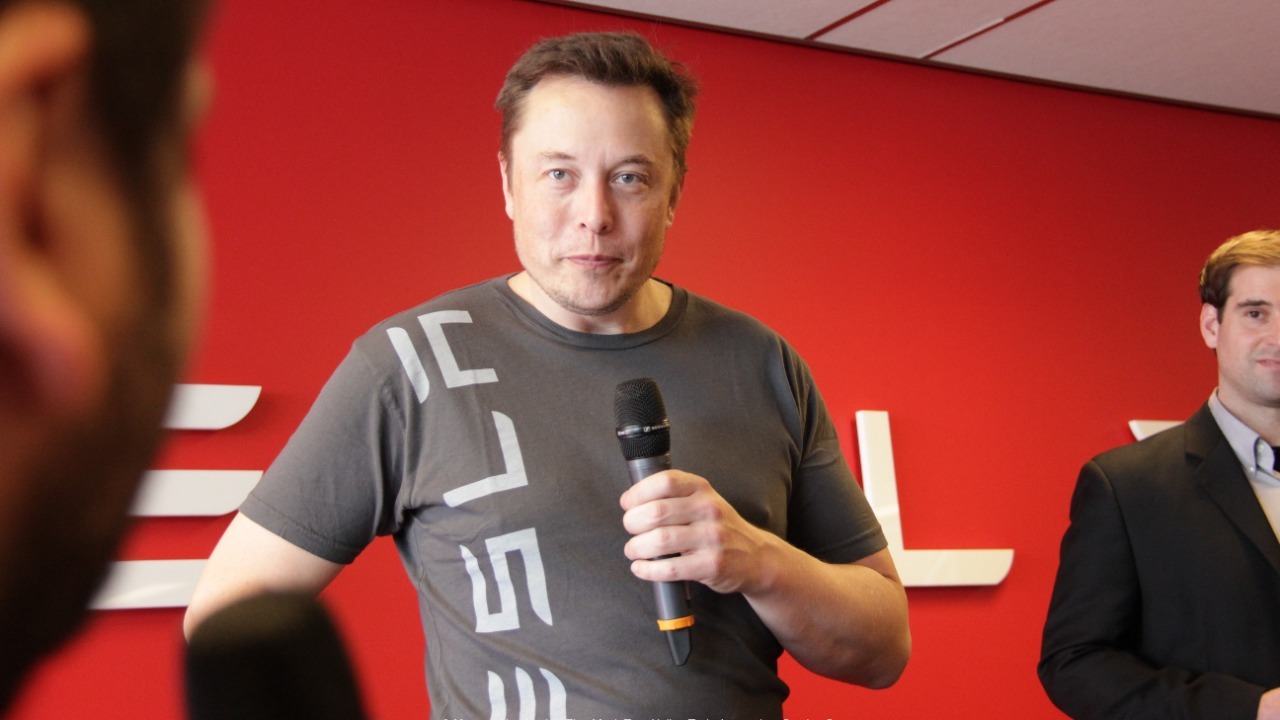
Tesla’s decision to award Elon Musk 96 million shares of stock has captured the attention of investors and industry analysts alike. This monumental compensation package not only underscores Musk’s pivotal role in Tesla’s success but also raises questions about its potential impact on the market and Musk’s net worth. As Tesla continues to dominate the electric vehicle market, this decision could have far-reaching implications for the company and its stakeholders.
The Details of the Stock Award

The award of 96 million shares to Elon Musk is a significant increase in his compensation, structured to align with Tesla’s long-term growth objectives. These shares are part of a performance-based package designed to incentivize Musk to achieve specific milestones that will drive Tesla’s market capitalization and operational success. The award is structured in a series of tranches, with Musk receiving access to portions of the shares as Tesla achieves predetermined financial and market objectives.
When compared to previous compensation packages, this award is unprecedented. Elon Musk’s past pay deals have been notable for their ambitious targets and substantial rewards. However, the sheer volume of shares in this package places it among the most significant in corporate history. The vesting timeline for these shares extends over several years, ensuring that Musk remains committed to Tesla’s long-term success. Full access to the shares is conditional upon achieving set market capitalizations and operational goals, ensuring alignment between Musk’s interests and those of Tesla’s shareholders.
Elon Musk’s Influence on Tesla’s Success

Elon Musk’s leadership has been instrumental in transforming Tesla from a niche electric car manufacturer into a major player in the global automotive industry. His vision for a sustainable future, coupled with relentless innovation, has positioned Tesla at the forefront of electric vehicle technology. Musk’s role in steering Tesla through challenges and seizing opportunities cannot be overstated. Under his leadership, Tesla has launched groundbreaking products such as the Model S, Model Y, Model 3, and the Cybertruck, each setting new standards in their respective categories.
Musk’s strategic decisions, such as the expansion into battery technology and energy solutions, have further solidified Tesla’s position in the market. His public persona, characterized by bold predictions and a strong social media presence, also plays a critical role in shaping Tesla’s market perception. Musk’s ability to captivate the public and maintain investor interest has been a significant factor in Tesla’s stock performance and valuation. This combination of innovation, strategy, and public engagement makes Musk an integral driver of Tesla’s continued success.
Financial Implications for Tesla

The decision to award such a substantial number of shares to Musk has significant implications for Tesla’s market value. The grant is expected to have a positive impact on Tesla’s stock performance, as it aligns the CEO’s personal financial interests with the company’s growth targets. However, the potential dilution of existing shares could be a concern for current shareholders. By increasing the total number of shares, the value of each individual share might be decreased, which presents a risk that needs to be weighed against the benefits of Musk’s continued leadership.
Shareholder perspectives on this award are mixed. While some investors see it as a necessary step to retain Musk and drive future growth, others are wary of the precedent it sets for executive compensation. The long-term financial strategy of Tesla appears to be focused on maintaining its competitive edge and achieving sustained growth. This stock award is a testament to Tesla’s commitment to innovation and expansion, ensuring that Musk remains at the helm to guide the company through its next phase of development.
Market Reactions and Speculations

Market analysts have varied opinions on the implications of this massive stock award. Some experts view it as a bold move that could catalyze further innovation and market share growth, while others express concerns about potential volatility. The award has already sparked speculations about how it might impact Tesla’s stock in the short and long term. The possibility of increased market instability is balanced by the potential for lucrative opportunities for investors who believe in Musk’s vision.
When compared to other tech giants, Tesla’s approach to executive compensation is unique in its scale and ambition. While companies like Apple and Amazon offer substantial pay packages to their leaders, Tesla’s focus on performance-based rewards reflects a high-stakes commitment to achieving extraordinary results. This approach underscores the company’s reliance on Musk’s leadership and the belief that his continued involvement is essential for Tesla’s future success.
Musk’s Growing Wealth and Influence

The stock award is valued at approximately $29 billion, based on Tesla’s current share price of about $340. This valuation significantly boosts Musk’s net worth, which already exceeds $400 billion, further cementing his position among the world’s wealthiest individuals. This increase in wealth not only enhances his personal financial standing but also amplifies his influence in the technology and automotive sectors.
As Musk’s net worth continues to climb, the broader implications for wealth inequality become more pronounced. The concentration of wealth in the hands of a select few, particularly in the tech industry, raises important societal questions about income distribution and the role of executive compensation. While Musk’s achievements and contributions to technology and sustainability are widely recognized, the scale of such payouts invites scrutiny and debate about the balance between rewarding innovation and addressing societal disparities.

Grant Mercer covers market dynamics, business trends, and the economic forces driving growth across industries. His analysis connects macro movements with real-world implications for investors, entrepreneurs, and professionals. Through his work at The Daily Overview, Grant helps readers understand how markets function and where opportunities may emerge.