Recent analyses suggest that China’s economy is experiencing a faster-than-anticipated decline, raising concerns globally. As the world’s second-largest economy, any significant downturn in China can have profound international implications, making it imperative to understand the underlying causes and potential outcomes.
Unpacking the Economic Indicators
China’s GDP growth rates have been a focal point for economists worldwide. Recent statistics indicate a notable deceleration, with growth rates falling short of the projected targets. Historically, China has enjoyed robust economic expansion, often exceeding 10% annually. However, current growth figures hover around 5%, a stark contrast to the country’s meteoric rise over the past decades. This slowdown has sparked discussions on whether China can maintain its status as a global economic powerhouse.
The real estate sector, once a primary engine of growth, now grapples with significant challenges. The phenomenon of ghost cities—large urban developments that remain largely uninhabited—serves as a stark illustration of the sector’s overcapacity issues. Unsold properties contribute to the economic malaise, with real estate investments plummeting. As the sector accounts for a significant portion of China’s GDP, its struggles reverberate across the economy.
Manufacturing and export challenges further compound the economic slowdown. A decline in manufacturing output has far-reaching consequences, affecting global supply chains and trade dynamics. Shifts in export demand, exacerbated by ongoing trade tensions, have placed additional strain on China’s industrial sector. These factors collectively underscore the urgent need for strategic interventions to stabilize economic growth.
Internal Factors Contributing to the Slowdown
China’s internal policies and regulatory changes have also played a critical role in the current economic landscape. Recent government policies aimed at tightening regulations in various sectors, such as technology and education, have led to increased uncertainty among businesses and investors. These regulatory shifts, while intended to address systemic risks, have inadvertently contributed to a cautious investment climate, hampering economic momentum.
Demographic shifts present another significant challenge. China’s aging population and shrinking workforce pose long-term economic implications. The one-child policy, which has left an indelible mark on the demographic landscape, is now a source of concern, as the working-age population diminishes. This demographic change threatens to slow economic productivity and increase the burden on social services, necessitating comprehensive policy responses.
Furthermore, rising debt levels among corporations and local governments have raised alarms about financial instability. The shadow banking sector, with its lack of transparency and regulation, poses additional risks. As debt levels soar, the potential for financial crises increases, underscoring the need for prudent fiscal management and regulatory oversight to avert economic turbulence.
External Pressures and Global Impact
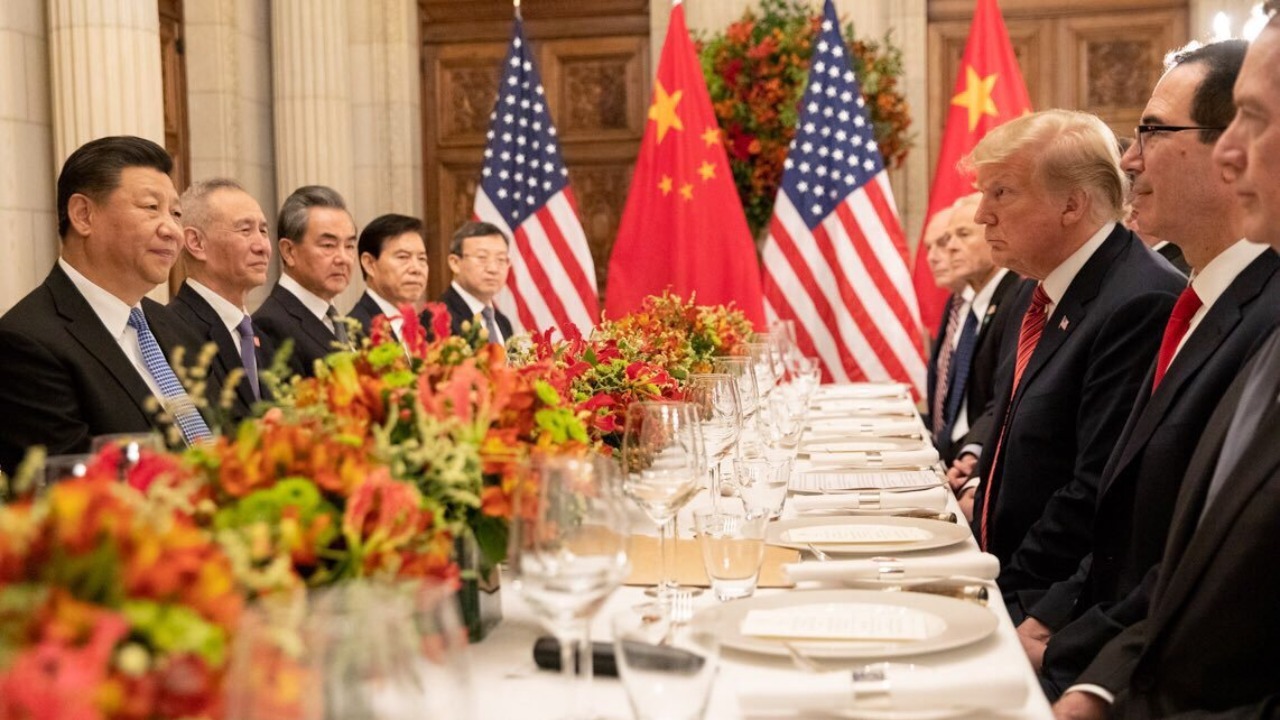
Trade wars and tariffs have emerged as formidable external pressures on China’s economy. Ongoing trade disputes, particularly with the United States, have led to the imposition of tariffs on Chinese exports, disrupting global supply chains. These trade tensions exacerbate existing economic challenges, stifling export growth and prompting concerns about long-term trade relations.
Global economic trends have also influenced China’s economic trajectory. The interconnectedness of global markets means that economic conditions in other major economies can have a significant impact on China. As global growth projections adjust in response to various geopolitical and economic factors, China’s role in international markets remains pivotal. The potential ripple effects of a Chinese economic slowdown on global trade and economics cannot be underestimated.
The retraction of foreign investment further compounds economic woes. Declining foreign direct investment reflects waning investor confidence, driven by concerns about regulatory unpredictability and economic instability. Factors such as geopolitical tensions and domestic policy shifts have contributed to this trend, prompting China to reassess its investment strategies to attract and retain foreign capital.
Potential Outcomes and Future Prospects
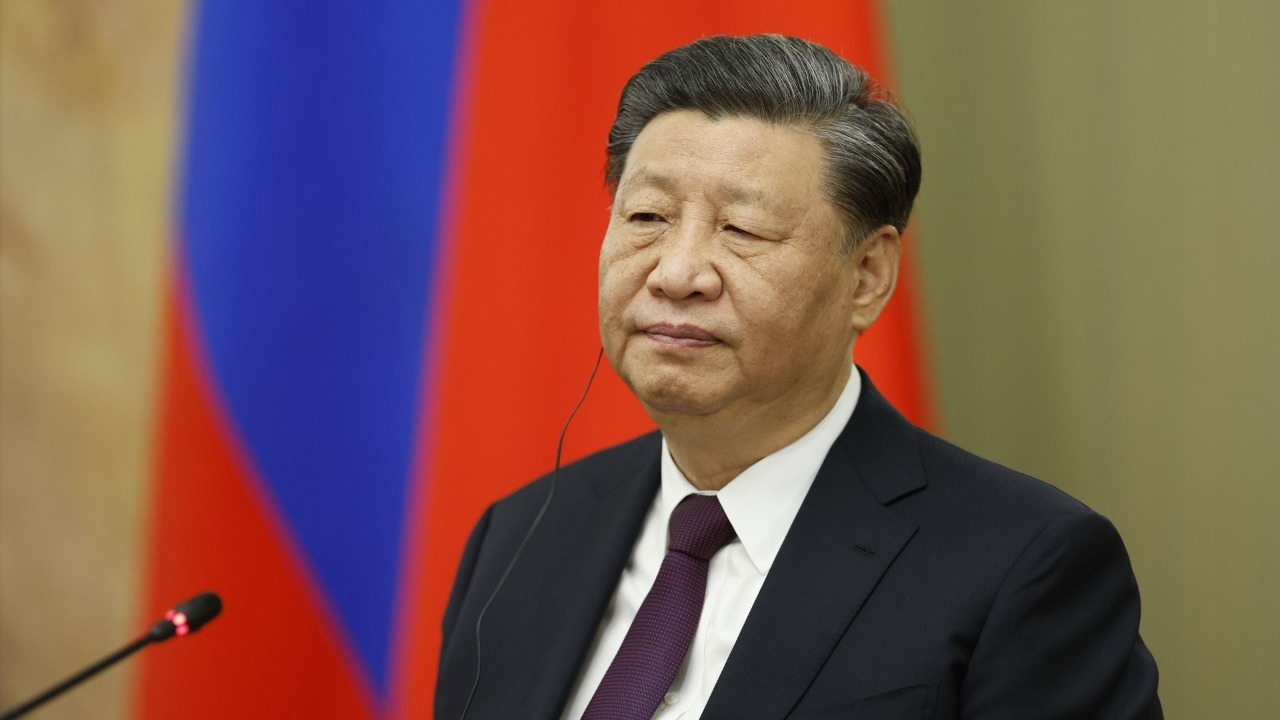
Short-term economic forecasts for China present a mixed picture. While some analysts predict a gradual recovery as global conditions stabilize, others caution that persistent challenges could lead to further economic decline. Factors such as domestic policy adjustments, international trade dynamics, and global economic conditions will play critical roles in shaping China’s economic performance in the coming years.
Long-term structural reforms are essential for stabilizing and revitalizing China’s economy. These reforms could include initiatives to enhance productivity, diversify economic activities, and improve social safety nets. As China transitions from an investment-driven growth model to a consumption-oriented one, the effectiveness of these policy shifts will be crucial in ensuring sustainable economic development.
The potential implications for global markets are significant. A continued slowdown in China could trigger adjustments in global trade patterns, affecting countries and businesses worldwide. Strategic adaptations will be necessary for nations and corporations to navigate these changes and capitalize on emerging opportunities in a shifting economic landscape.
Strategic Responses and Adaptations
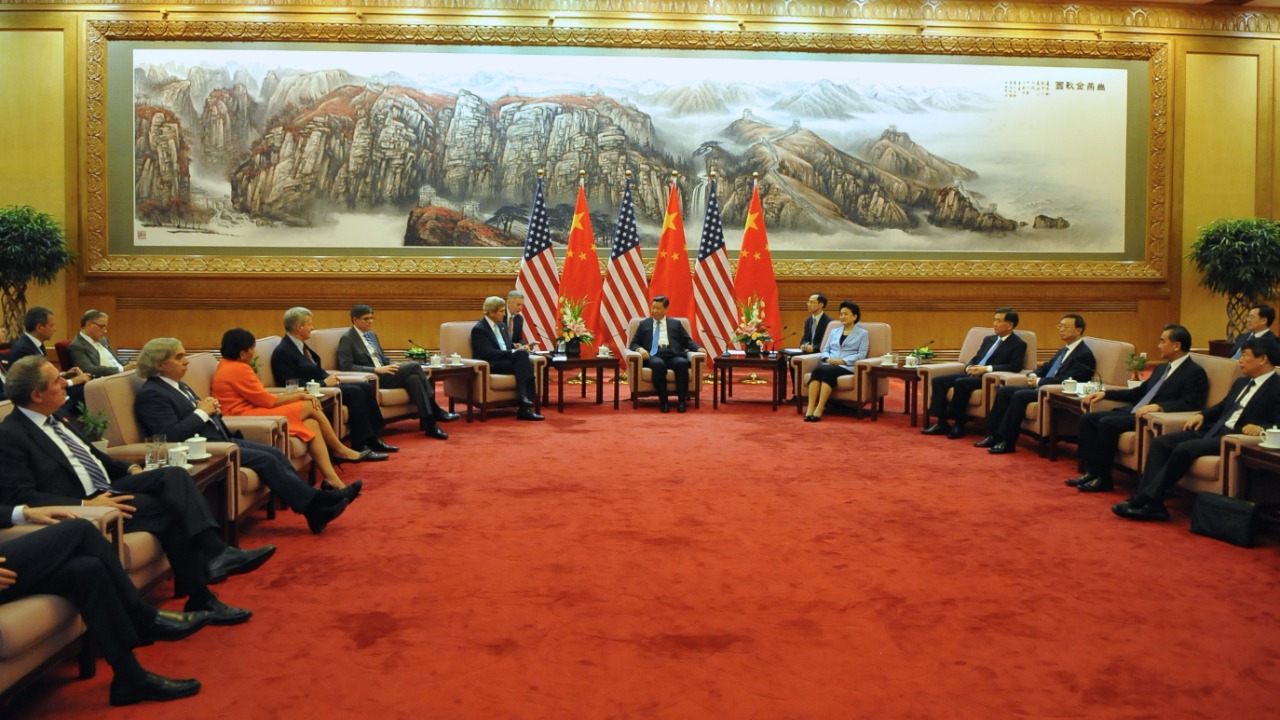
China’s government may consider various domestic policy adjustments to mitigate economic decline. Potential strategies include implementing stimulus measures aimed at boosting consumption and investment. Analyzing the expected outcomes of such measures will be crucial in determining their effectiveness in fostering economic recovery.
International cooperation and agreements present opportunities for China to strengthen its global partnerships. Engaging with international organizations and forging new trade agreements could help stabilize China’s economic position and enhance its resilience against external shocks. Collaborative efforts will be vital in supporting economic stability and fostering mutual growth.
Businesses and investors must also adapt their strategies to navigate economic uncertainties. For companies operating in or with China, understanding the evolving regulatory landscape and consumer trends will be key to maintaining competitiveness. Investors, meanwhile, should consider diversifying their portfolios and seeking opportunities in emerging markets to mitigate risks associated with China’s economic fluctuations.

Grant Mercer covers market dynamics, business trends, and the economic forces driving growth across industries. His analysis connects macro movements with real-world implications for investors, entrepreneurs, and professionals. Through his work at The Daily Overview, Grant helps readers understand how markets function and where opportunities may emerge.

