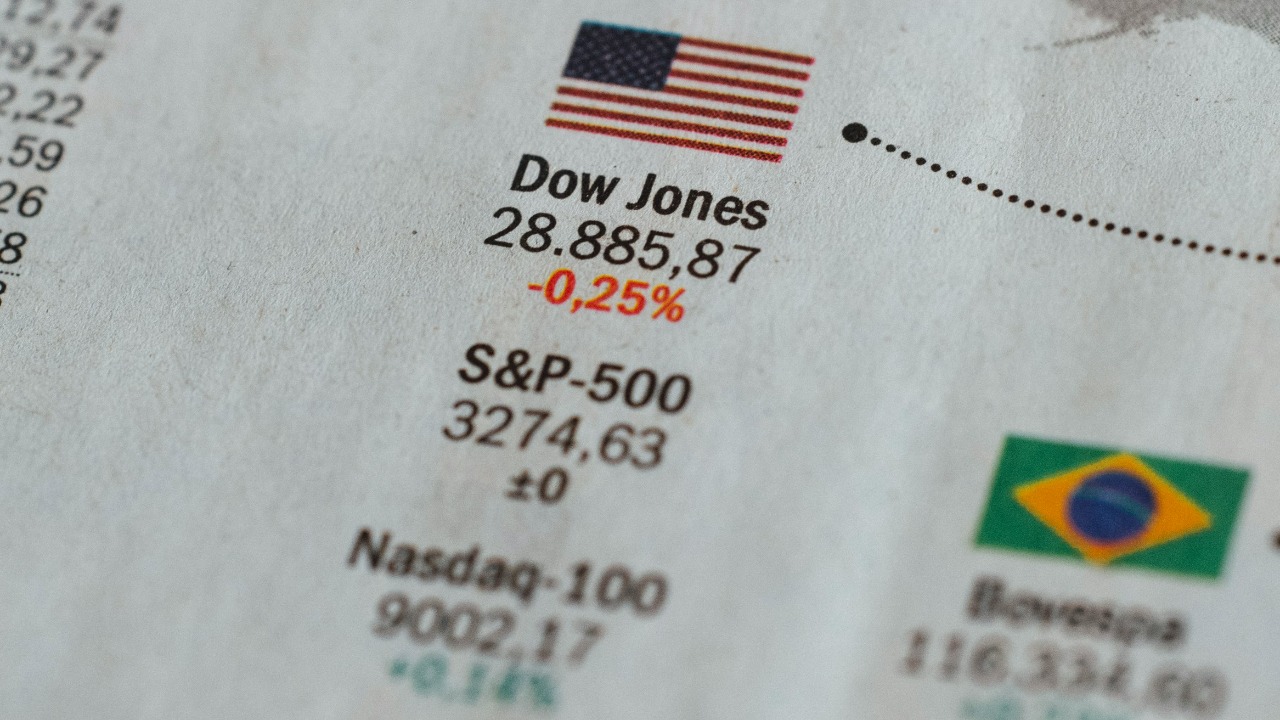
U.S. stocks have surged to record highs amidst growing optimism about potential interest rate cuts. Investors are increasingly confident that the Federal Reserve will take action to reduce rates, fueling a bullish sentiment across major indices such as the Dow Jones, S&P 500, and Nasdaq. This optimism is driven by various factors, including economic indicators and the Fed’s recent communications, which are closely watched by market participants.
The Current Bull Run in U.S. Stocks

The recent performance of U.S. stock markets has been nothing short of remarkable. The Dow Jones, S&P 500, and Nasdaq have all reached record-breaking numbers, reflecting a strong bullish trend. Key sectors propelling this momentum include technology, healthcare, and consumer goods. Companies like Apple, Microsoft, and Pfizer have seen substantial gains, contributing to the overall market uptrend. These sectors are benefiting from robust earnings reports and positive forecasts, further bolstering investor confidence.
Market sentiment is overwhelmingly positive, with investors optimistic about future gains. Several factors contribute to this outlook, including favorable economic data and supportive fiscal policies. The role of media and analysts cannot be understated, as their interpretations and projections significantly influence investor behavior. Media reports highlighting potential interest rate cuts have amplified the bullish sentiment, with investors eager to capitalize on anticipated monetary policy changes.
Factors Fueling Rate Cut Speculation

Speculation about potential interest rate cuts is fueled by recent signals from the Federal Reserve and various economic indicators. The Fed’s statements and actions suggest a willingness to adjust rates to support economic growth. Recent economic data, including employment figures and manufacturing output, have played a crucial role in shaping these expectations. Investors are closely monitoring these indicators, as they provide insights into the Fed’s decision-making process.
Inflation trends are also a significant consideration for the Federal Reserve. Current inflation rates and projections indicate a need for careful monetary policy adjustments. While inflation remains a concern for policymakers, the Fed is tasked with balancing these concerns against the need to sustain economic growth. This delicate balance is influencing the likelihood of rate cuts, as the Fed seeks to manage inflationary pressures while supporting the economy.
Historical Context and Comparisons

Looking back at past instances of rate cuts offers valuable insights into how stock markets may react. Historical case studies reveal that rate cut cycles often lead to positive market responses. For example, during the early 2000s, rate cuts helped stimulate economic activity and boost stock market performance. These historical precedents provide a framework for understanding potential market reactions to future rate adjustments.
Interest rates play a crucial role in economic growth and stock performance. Understanding the relationship between rates and market dynamics is essential for investors. Lower interest rates typically encourage borrowing and investment, stimulating economic activity. However, the long-term effects of rate adjustments can vary, with potential implications for inflation and asset prices. Investors must consider these factors when evaluating market conditions and making investment decisions.
Potential Risks and Challenges Ahead

Despite the current market optimism, uncertainties in global economic conditions pose significant risks. Geopolitical tensions, such as trade disputes and political instability, can impact market stability. Additionally, international economic policies, including those of major trading partners, influence U.S. market conditions. Investors must remain vigilant and consider these factors when assessing potential risks to their portfolios.
The potential pitfalls of over-reliance on rate cuts are another concern. Prolonged low-interest-rate environments can lead to asset bubbles and unsustainable growth. These risks underscore the importance of a balanced approach to monetary policy. While rate cuts can provide short-term economic stimulus, they must be managed carefully to avoid long-term negative consequences. Investors should be aware of these risks and consider strategies to mitigate potential downsides.
Future Outlook and Investor Strategies

As we look ahead, predictions for upcoming Federal Reserve meetings are a focal point for investors. Expert forecasts suggest a high likelihood of rate cuts, with significant implications for market conditions. Key dates and events, such as Fed meetings and economic data releases, are crucial for investors to watch. Staying informed about these developments can help investors anticipate market movements and adjust their strategies accordingly.
In a fluctuating rate environment, effective investment strategies are essential. Diversification and risk management techniques are crucial for navigating potential rate cuts and market volatility. Investors should consider a mix of asset classes, including equities, bonds, and real estate, to balance risk and return. Additionally, staying informed about economic trends and monetary policy can aid in making informed investment decisions.
The current optimism surrounding potential interest rate cuts presents both opportunities and challenges for investors. By understanding the factors driving market trends and remaining vigilant about potential risks, investors can position themselves for success in this dynamic environment. Whether through diversification, risk management, or staying informed, there are numerous strategies available to navigate the complexities of today’s financial markets.

Grant Mercer covers market dynamics, business trends, and the economic forces driving growth across industries. His analysis connects macro movements with real-world implications for investors, entrepreneurs, and professionals. Through his work at The Daily Overview, Grant helps readers understand how markets function and where opportunities may emerge.

