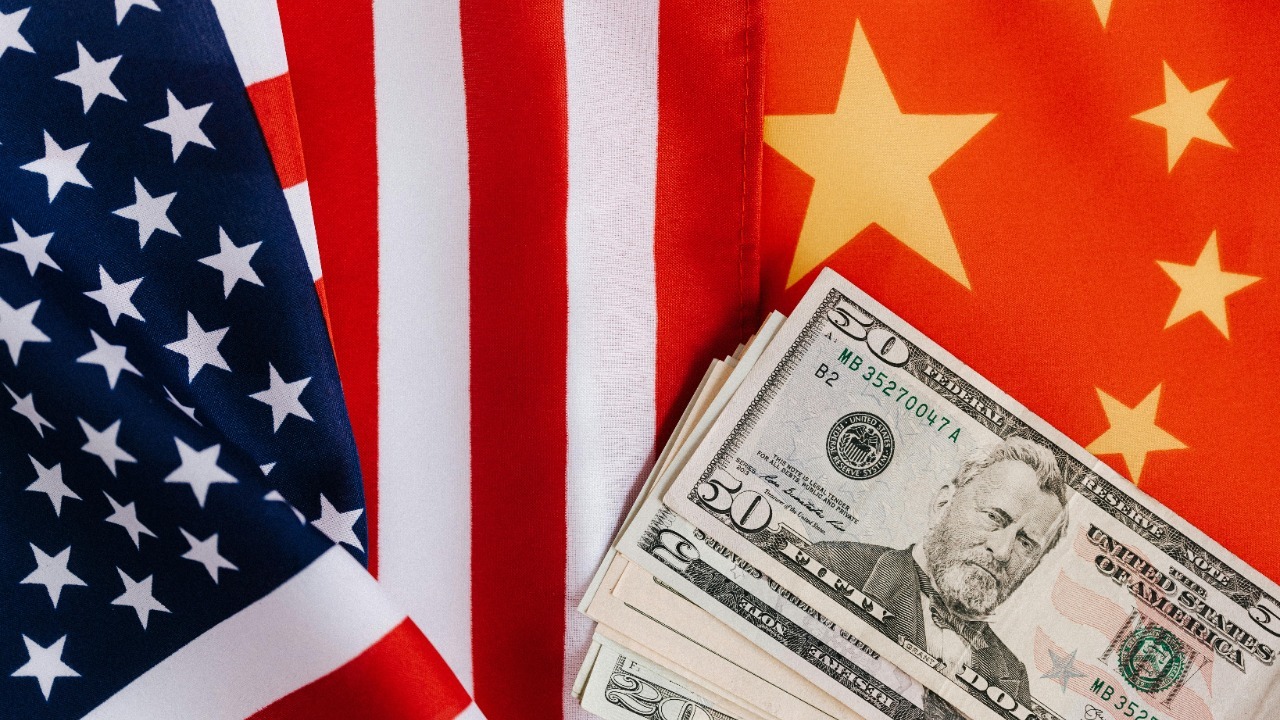
The economic slowdown in China has been making headlines, but what does it mean for your retirement savings, specifically your 401(k)? While the impact may seem distant, global economic shifts can ripple through the financial markets, influencing the performance of your investments. Here, the complex connections between China’s economy and your 401(k) are broken down in simple terms.
The Chinese Economic Slowdown

China’s economic slowdown has been driven by multiple factors, with a notable decline in manufacturing and export growth. This decline can largely be attributed to the country’s transition from an investment-driven model to one that is more consumption-oriented. Additionally, the impact of domestic policies aimed at reducing debt and controlling environmental damage has also played a role. Global trade tensions, particularly with the United States, have further exacerbated the slowdown, affecting China’s export-driven economy.
The effects of this slowdown are not limited to China alone. As one of the world’s largest consumers of commodities, any reduction in China’s demand can lead to decreased global demand for goods, impacting economies worldwide. Supply chains that rely on Chinese manufacturing have also felt the strain, causing disruptions and increased costs. These shifts can have a trickle-down effect, influencing the broader financial markets and, ultimately, your investments.
China’s Role in the Global Economy

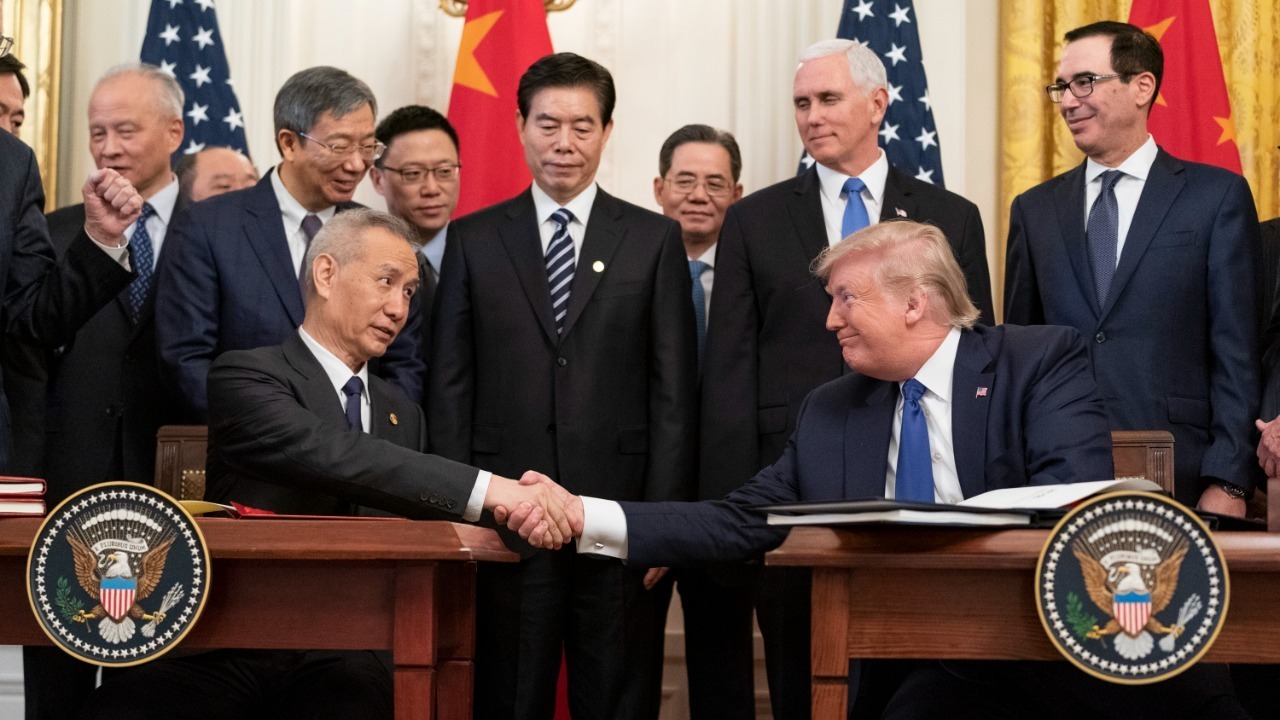
China’s position as a global trade partner cannot be overstated. As the second-largest economy in the world, its trade relationships are critical to international economic stability. The significance of China in global trade is highlighted by its vast manufacturing capabilities and consumer base. However, recent trade policies and tariffs have strained these relationships, leading to uncertainty and market volatility. The ongoing trade tensions with the United States serve as a prime example of how these dynamics can have far-reaching effects.
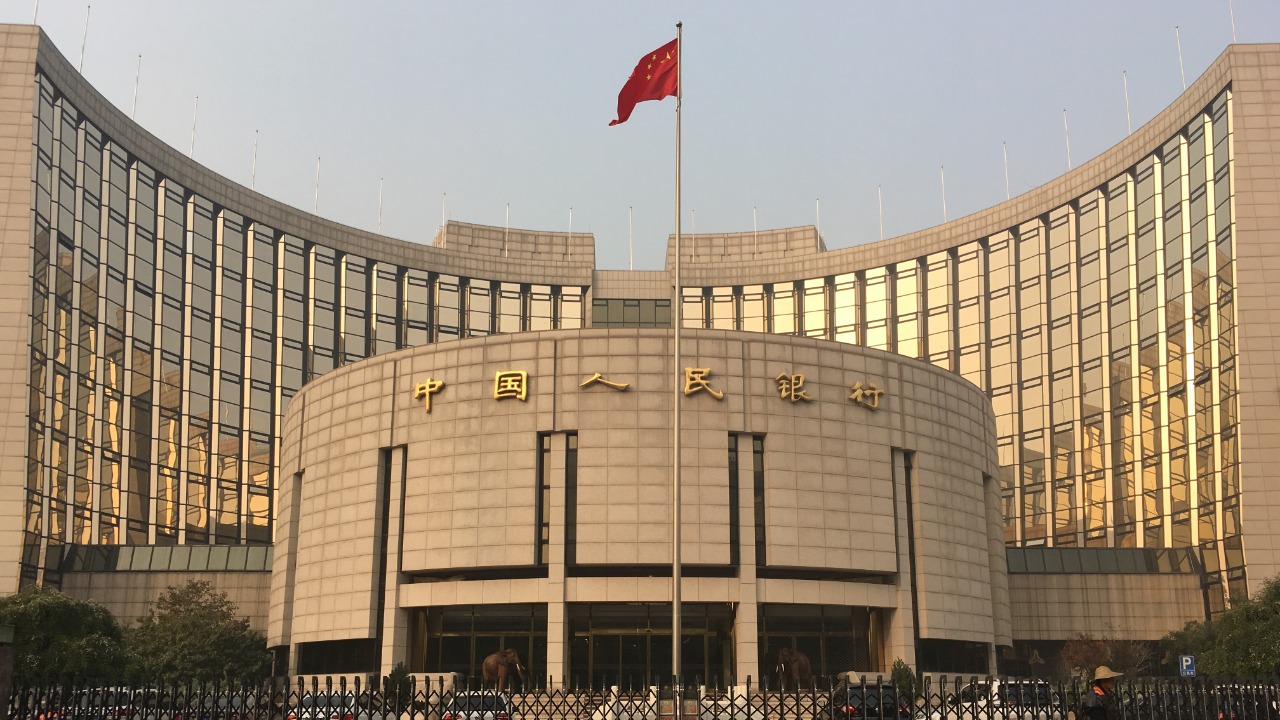
Financial market interconnections further illustrate China’s influence on the global stage. Chinese investments are significant in many international markets, and any shifts in China’s fiscal policies can have ripple effects worldwide. For instance, changes in Chinese monetary policy, such as adjustments to interest rates by the People’s Bank of China, can impact global financial stability and investment returns. Understanding these interconnections is crucial for assessing the potential impact on your 401(k).
Impact on U.S. Investments and 401(k)s
The interconnectedness of global markets means that changes in the Chinese economy can directly affect U.S. stock markets. When China’s economy slows, it can lead to stock market volatility, impacting the performance of U.S. equities. This, in turn, affects mutual funds and other investment vehicles that make up your 401(k). As asset allocations shift in response to changing market conditions, the value of your retirement savings may fluctuate, underscoring the importance of understanding these dynamics.
For retirement savers, the implications of China’s economic slowdown are significant. Mutual funds and investment portfolios with international exposure may experience increased volatility. To mitigate risks, it is essential to adopt strategies that account for potential market shifts. By maintaining a diversified portfolio, investors can spread risk across various asset classes, reducing the impact of adverse market conditions on their 401(k). Staying informed about global economic developments and consulting financial advisors can also help you adjust your investment strategy accordingly.
The Future of China’s Economic Policies
China’s economic policies are undergoing significant changes, particularly in the realm of pension and retirement systems. The country is moving towards private retirement savings, a shift that could have long-term implications for global investments. As China reforms its pension system, the increased focus on private savings may lead to a more robust financial market, potentially influencing international investment opportunities and returns.
Central bank policies and interest rates are also critical factors shaping China’s economic future. Recent changes in China’s interest rates and monetary policy reflect efforts to stabilize the economy amid slowing growth. For instance, the People’s Bank of China has implemented interest rate cuts to encourage economic activity. These monetary policy adjustments can have significant implications for global financial markets, affecting investment returns and economic stability worldwide.
What You Can Do to Protect Your 401(k)

Diversification and risk management are essential strategies for protecting your 401(k) in the face of global economic uncertainties. By maintaining a diversified portfolio, you can spread risk across various asset classes, reducing the impact of adverse market conditions. This approach allows you to balance potential losses with gains, helping to ensure the stability of your retirement savings.
Staying informed and proactive is equally important. Keeping abreast of global economic developments, such as China’s economic policies and market trends, can help you make informed decisions about your investments. Consulting with financial advisors to adjust your investment strategy as needed is also a wise move. By understanding the potential impact of global economic shifts and taking proactive measures, you can better safeguard your 401(k) against market volatility.

Grant Mercer covers market dynamics, business trends, and the economic forces driving growth across industries. His analysis connects macro movements with real-world implications for investors, entrepreneurs, and professionals. Through his work at The Daily Overview, Grant helps readers understand how markets function and where opportunities may emerge.