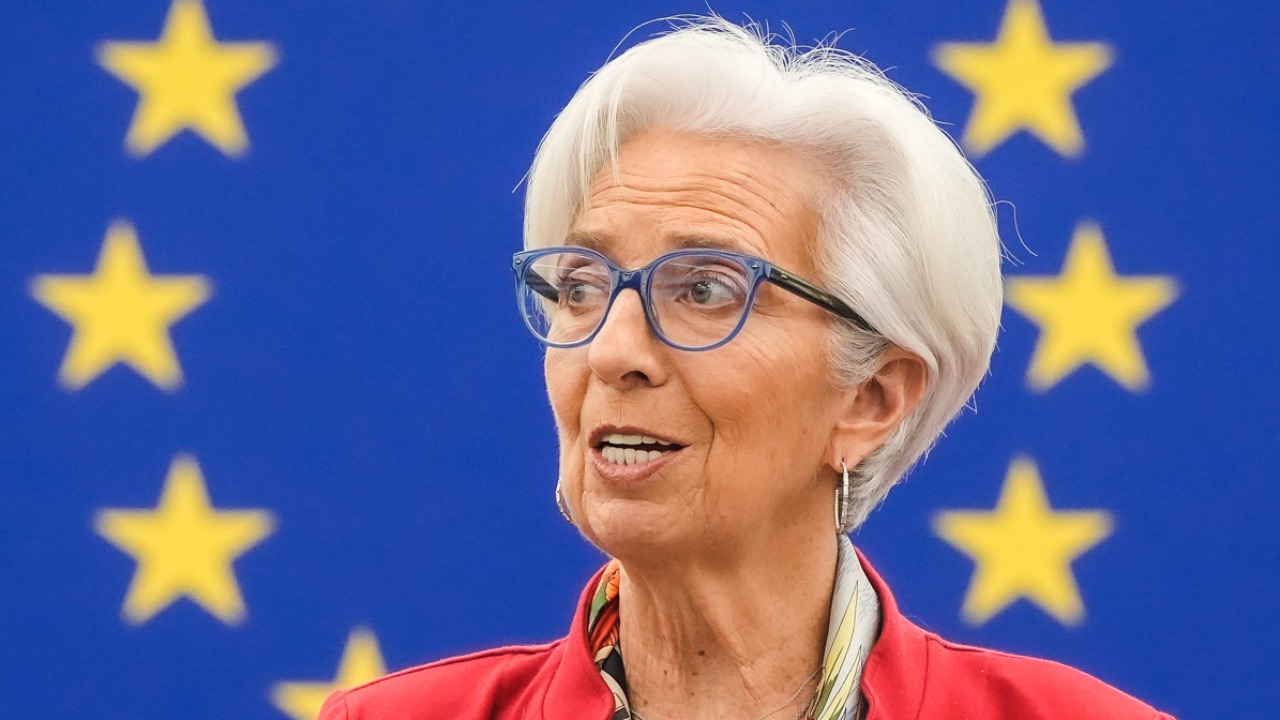
European Central Bank President Christine Lagarde has issued a stark warning about the potential consequences of tariffs proposed by U.S. President Donald Trump. She emphasized that it is only a ‘question of time’ before consumers worldwide experience the full impact through increased prices and economic strain. Lagarde highlighted that these tariffs could disrupt global trade flows and inflate costs for everyday goods, urging policymakers to prepare for ripple effects across supply chains. Her comments underscore the urgency for international coordination to mitigate the fallout from these protectionist measures.
Lagarde’s Warning on Tariff Impacts
As the President of the European Central Bank, Christine Lagarde brings significant expertise in monetary policy to her analysis of the potential impacts of Trump’s proposed tariffs. In her recent statement, she warned that the effects of these tariffs will soon reach consumers through increased prices on imports. Lagarde’s assertion that it is merely a ‘question of time’ before consumers feel the full impact suggests a delayed but inevitable pass-through of costs in sectors such as manufacturing and retail. This prediction is grounded in her understanding of how tariffs can lead to higher production costs, which are often passed on to consumers.
The broader implications for European economies are concerning. Lagarde’s remarks suggest that these tariffs could lead to inflation spikes and reduced consumer spending, as higher prices for imported goods strain household budgets. This scenario could pose significant challenges for European policymakers, who may need to consider measures to counteract these inflationary pressures. The potential for reduced consumer spending also raises concerns about economic growth, as consumer demand is a key driver of economic activity in many European countries.
Trump’s Proposed Tariff Policies
President Donald Trump’s tariff agenda includes plans for broad import duties that could target goods from the European Union and other regions. These tariffs are expected to be implemented post-election and could significantly impact international trade dynamics. The proposed tariffs include substantial rates on steel, aluminum, and consumer products, aiming to protect U.S. industries. However, these measures also risk provoking retaliatory actions from affected countries, potentially leading to a cycle of escalating trade tensions.
During Trump’s previous term, similar tariffs led to heightened trade tensions, providing a historical context for the current warnings. The previous tariffs resulted in strained relationships with key trading partners and increased costs for U.S. businesses reliant on imported materials. This historical precedent underscores the potential for similar outcomes with the new tariff proposals, as affected countries may respond with their own trade barriers, further complicating global trade relations.
Global Economic Ripple Effects
The potential ripple effects of Trump’s tariffs on the global economy are significant. These tariffs could elevate costs for international supply chains, with Lagarde noting that consumers will ultimately bear the brunt through higher everyday expenses. The increased costs of imported goods could lead to inflationary pressures, particularly in export-dependent economies like those in the Eurozone. Lagarde’s assessment highlights the risk of slowdowns in these economies, as higher prices could dampen consumer demand and economic growth.
Central banks, including the European Central Bank, may need to consider responses such as interest rate adjustments to counter these inflationary pressures. Such measures could help stabilize prices but may also have broader implications for economic growth and financial stability. The potential for increased interest rates could impact borrowing costs for businesses and consumers, further influencing economic activity.
Britain’s Unique Position Amid Tariffs
Amid the potential fallout from Trump’s tariffs, Britain finds itself in a unique position due to the so-called Brexit dividend. As reported, this dividend allows Britain to pursue more flexible trade deals outside the European Union, potentially offsetting the impact of U.S. tariffs. The ability to negotiate bilateral agreements with the U.S. could provide Britain with a buffer against the full brunt of these tariffs, positioning it more favorably compared to its EU counterparts.
The benefits of this position are reflected in the performance of the FTSE 100 and UK markets, which have shown resilience in the face of potential tariff escalations. Post-Brexit Britain may be less vulnerable to the direct impacts of U.S. tariffs, offering opportunities for new trade partnerships that could shield British consumers from increased costs. In the long term, these opportunities could enhance Britain’s economic prospects, providing a competitive edge in the global market.
Overall, the potential impacts of Trump’s proposed tariffs are far-reaching, with significant implications for global trade and economic stability. Christine Lagarde’s warnings highlight the need for careful consideration and international coordination to mitigate these effects. As countries navigate the challenges posed by these tariffs, the importance of strategic economic policies and trade agreements will be crucial in shaping future economic outcomes.

Grant Mercer covers market dynamics, business trends, and the economic forces driving growth across industries. His analysis connects macro movements with real-world implications for investors, entrepreneurs, and professionals. Through his work at The Daily Overview, Grant helps readers understand how markets function and where opportunities may emerge.

