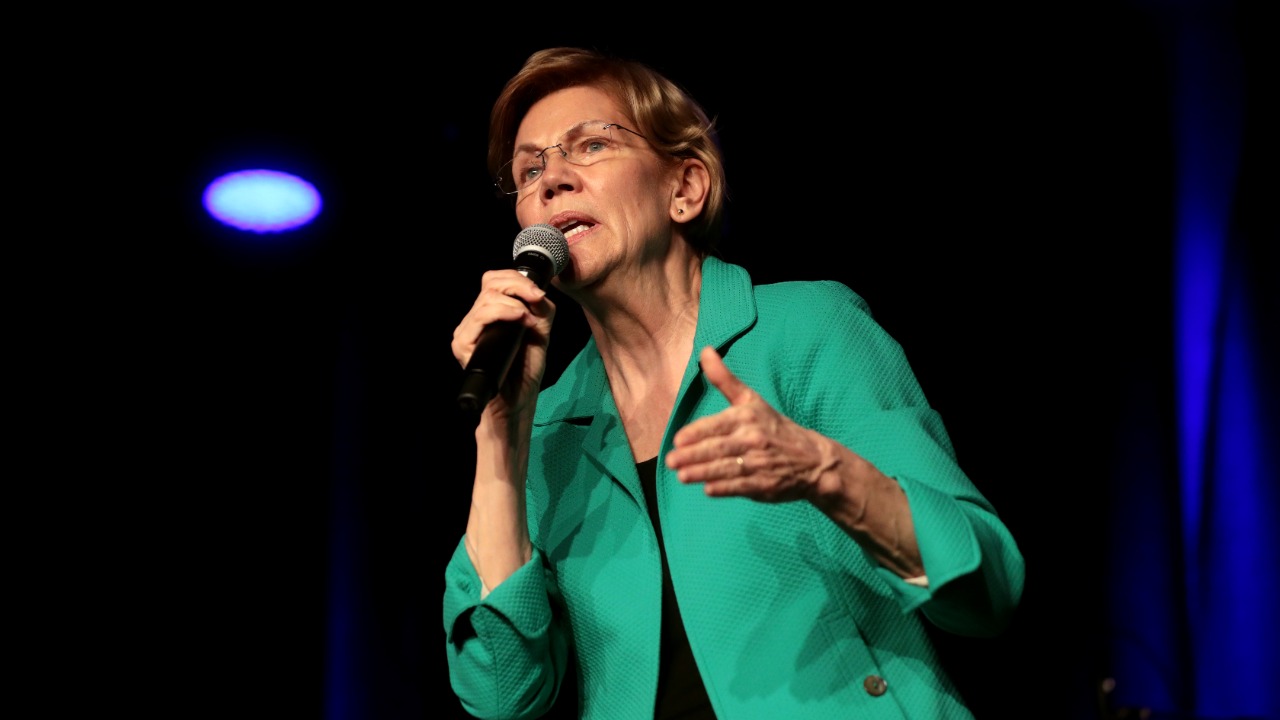
Senator Elizabeth Warren has recently voiced her concerns about the growing economic divide in the United States, stating that the “super wealthy have never had it so good,” while working people are increasingly burdened by higher costs under President Trump’s policies. Her critique highlights the disparity between the economic gains of the elite and the financial struggles faced by everyday Americans. Warren’s comments also reflect her apprehension about potential instability in financial leadership, particularly regarding the future of Federal Reserve Chair Jerome Powell, whom she previously opposed but now fears could be dismissed by Trump, potentially worsening economic pressures.
Warren’s Critique of Wealth Inequality
Elizabeth Warren’s assertion that the “super wealthy have never had it so good” underscores her ongoing critique of wealth inequality in America. Her remarks on October 20, 2025, emphasize the stark contrast between the prosperity of the elite and the economic challenges faced by the broader population. Warren’s statements reflect her long-standing position that current policies disproportionately benefit the wealthy, allowing them to accumulate even more wealth without addressing the systemic issues that disadvantage lower-income groups.
Warren has consistently highlighted how certain policies have favored the wealthy, contributing to unchecked growth in upper-income brackets. Her critique points to tax cuts and deregulation as examples of how the rich continue to benefit at the expense of working families. By focusing on these systemic advantages, Warren reinforces her role as a vocal advocate for economic reform, calling for policies that would ensure a more equitable distribution of wealth and opportunities.
As a prominent figure in the fight against economic inequality, Warren’s remarks serve as a reminder of the need for comprehensive policy changes. Her advocacy for reform is rooted in the belief that a fairer economic system would not only benefit those struggling to make ends meet but also contribute to a more stable and prosperous society overall.
Impacts on Working People Under Trump
Warren’s critique extends to the impact of President Trump’s policies on working people, whom she claims “suffer” from higher costs. Her comments highlight the financial strain that many middle- and lower-income families experience due to rising expenses in areas such as healthcare, housing, and education. Warren argues that these increased costs are a direct result of policy decisions that prioritize the interests of the wealthy over the needs of ordinary citizens.
The financial burdens faced by working families are compounded by stagnant wages and limited access to affordable services. Warren’s narrative suggests that these challenges are exacerbated by a lack of investment in public infrastructure and social programs, which could otherwise alleviate some of the pressures on household budgets. Her emphasis on these issues underscores the potential long-term effects on labor and household stability, as families struggle to cope with the rising cost of living.
Warren’s focus on the plight of working people serves as a call to action for policymakers to address these disparities. By advocating for reforms that would reduce financial strain and promote economic security, she aims to create a more equitable environment where all Americans have the opportunity to thrive.
Warren’s Evolving Stance on Federal Reserve Leadership
Elizabeth Warren’s evolving stance on Federal Reserve Chair Jerome Powell reflects her broader concerns about economic policy stability. Initially, Warren opposed Powell’s nomination, as reported on July 25, 2025, due to disagreements over his approach to financial regulation. However, her current worries about President Trump potentially firing Powell highlight a shift in her perspective, driven by fears of further disruption in monetary oversight.
Warren’s apprehension about Powell’s potential dismissal stems from concerns that such a move could lead to increased volatility in financial markets and undermine confidence in the Federal Reserve’s ability to manage economic challenges. Her shift in stance underscores the importance of stable leadership in maintaining economic stability, particularly during times of uncertainty.
The implications of a change in Federal Reserve leadership are significant, as it could affect interest rates, inflation, and overall economic growth. Warren’s concerns reflect a broader fear that abrupt changes in monetary policy could exacerbate existing economic pressures, further impacting the financial well-being of American families. Her advocacy for consistent and reliable economic governance highlights the need for careful consideration of leadership decisions that could have far-reaching consequences.
In conclusion, Elizabeth Warren’s recent remarks underscore her commitment to addressing economic inequality and advocating for policies that prioritize the needs of working people. Her critique of wealth disparity, combined with her concerns about financial leadership, highlights the complex challenges facing the U.S. economy. By calling for reform and stability, Warren aims to create a more equitable and resilient economic system for all Americans.

Grant Mercer covers market dynamics, business trends, and the economic forces driving growth across industries. His analysis connects macro movements with real-world implications for investors, entrepreneurs, and professionals. Through his work at The Daily Overview, Grant helps readers understand how markets function and where opportunities may emerge.

