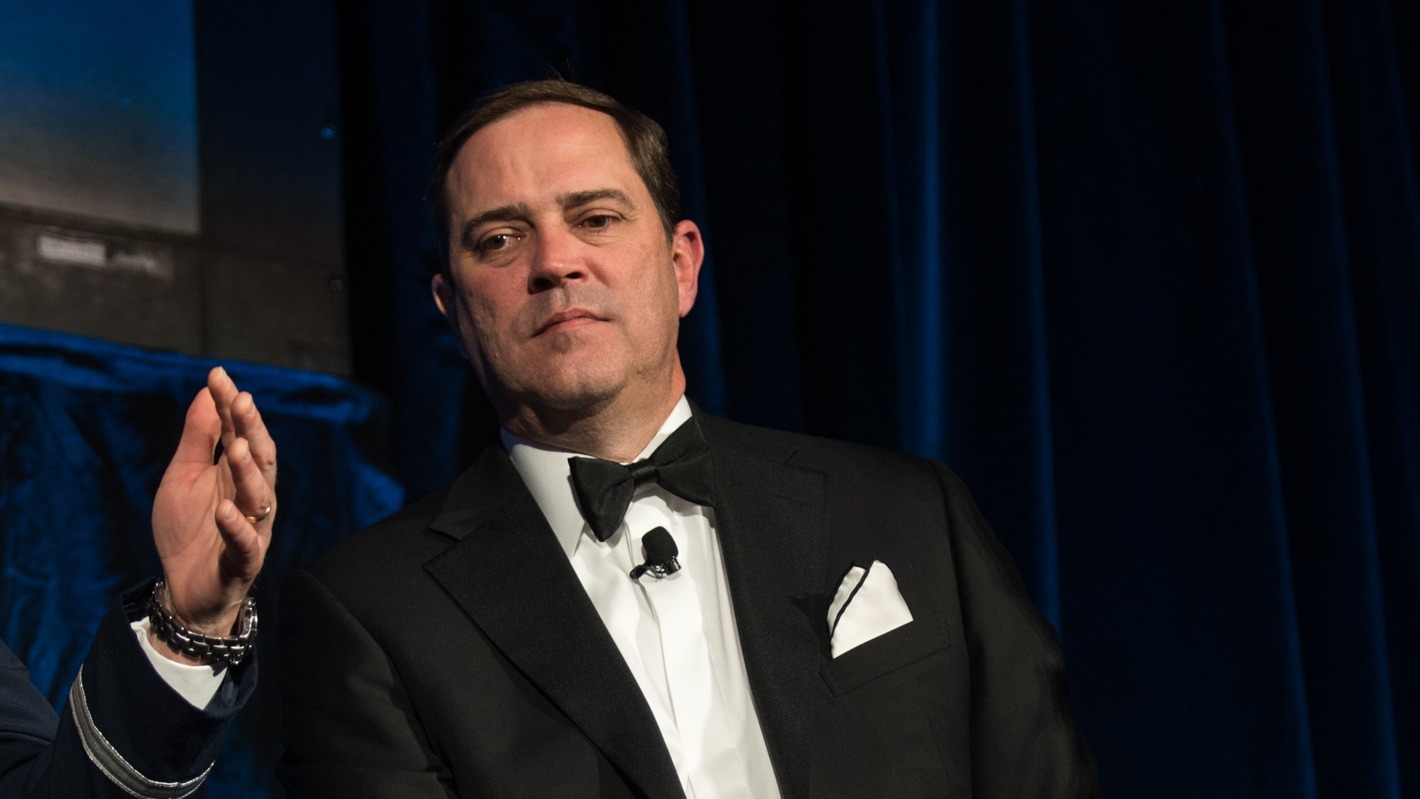
Cisco chief executive Chuck Robbins has ignited a debate inside corporate HR by dismissing internal promotion interviews as “stupid” and arguing that real advancement should be decided long before anyone walks into a conference room. His blunt assessment cuts against decades of management orthodoxy that treats the promotion panel as a decisive test of readiness. At Cisco, Robbins is instead elevating peer respect, everyday performance and even AI literacy as the real currencies that buy a raise.
That shift matters far beyond one Silicon Valley giant. Cisco employs tens of thousands of people in roles where collaboration, technical fluency and cross‑functional trust determine whether products ship and customers stay. When a leader of that scale says the traditional promotion ritual is broken, it signals a broader rethinking of how companies identify leaders, reward impact and keep ambitious employees from walking out the door.
Why Chuck Robbins thinks promotion interviews are “stupid”
Robbins has been unusually candid about his frustration with the way companies handle internal promotions. He has said he “hates” interviewing existing employees for new roles, especially when there are “two or three internal candidates” who have already been working under the same leadership for years. In his view, by the time someone is up for a step up, their track record should be obvious from how they run projects, influence colleagues and respond under pressure, not from how they perform in a one‑hour conversation.
That is why Cisco CEO Chuck Robbins has described formal interviews for internal promotions as “stupid,” arguing that it makes little sense to grill people who may have been doing the work, or adjacent work, for a decade already, only to judge them on a narrow snapshot of performance. He has linked this frustration to a broader belief that leadership potential is visible in the day‑to‑day, telling one audience that the most reliable signal of readiness is how someone already behaves in their current job, not how cleverly they answer hypothetical questions in a meeting room, a point echoed in detailed coverage of his comments on internal candidates.
The real gatekeepers: peers, not panels
Under Robbins’ philosophy, the decisive question for a promotion is not how a candidate impresses a senior panel, but whether the people around them already see them as a leader. He has put it bluntly: if your peer group would be “shocked” to see you promoted, you probably are not ready. If, on the other hand, colleagues already treat you as the de facto lead, the formal title is just catching up with reality. That reframes the promotion process from a top‑down judgment to a kind of internal reputation test.
Reporting on his remarks makes clear that Robbins believes raises and bigger jobs follow when “your peers think you deserve it,” not when you master interview theater, a theme highlighted in analysis of how Cisco CEO Chuck Robbins weighs peer approval. He has also stressed that he hates interviewing because, by the time someone is in front of him, he expects their manager and team to have already validated their impact, a point reinforced in coverage that quotes him saying he dislikes the whole process and wants to know whether “your peers are successful as well,” as detailed in a profile of his.
What “wildly successful” Cisco leaders actually do
Robbins has also sketched a clear picture of the people who thrive inside Cisco. He has said that the “wildly successful” employees in the company combine three traits: they understand the technology, they are intellectually sharp and they are obsessed with making their peers successful. In other words, technical depth and raw intelligence are necessary, but not sufficient, without a visible commitment to lifting the team around them.
He has contrasted that with “the person who is solely focused on getting to the top as an individual,” warning that such people are unlikely to reach the roles they want because colleagues and managers will not rally behind them. In his telling, the people who rise are those who make others better and who show they can scale their impact through teams, a pattern described in detail in coverage that quotes him on how “the people who are wildly successful” blend tech fluency, smarts and peer focus, as seen in a recent interview.
Character, ambition and the limits of solo climbing
There is a moral edge to Robbins’ critique of traditional promotion paths. He has suggested that character and intent matter as much as competence, warning that someone who treats colleagues as rungs on a ladder is unlikely to be trusted with bigger spans of control. That stance challenges a common corporate myth that pure individual drive and self‑promotion are enough to secure advancement, regardless of how a person affects the broader culture.
In one conversation, he drew a sharp line between healthy ambition and self‑centered careerism, saying that “the person who is solely focused on getting to the top as an individual” is probably not going to get there and that the system eventually puts you “where you ought to be.” That framing, reported in detail in coverage of his comments on ambition and outcomes, underscores his belief that promotions should reward people who build others up, not those who simply market themselves, a nuance captured in a detailed account.
AI as the new promotion spotlight
Robbins’ skepticism about interviews does not mean he wants promotions to be informal or opaque. Instead, Cisco is leaning into data and AI to surface who is actually creating value. The company has highlighted how employees who use AI tools effectively can stand out when managers look at productivity, innovation and problem‑solving. In that sense, AI becomes less a threat to jobs and more a spotlight on who is adapting fastest to new ways of working.
A Cisco report has argued that AI use could make the difference between being considered for a promotion or being passed over, with executives pointing out that employees who embrace these tools are often the ones driving measurable gains, a point described in detail in analysis of how AI use shapes advancement. The company has also suggested that AI can help managers see patterns in performance and collaboration that might otherwise be missed, which aligns with Robbins’ broader view that the best indicator of readiness is what you do every day, not how you perform in a single meeting, a theme echoed in reporting that notes how he wants the system to evolve so “every job you have is an interview for your next job,” as described in a recent analysis.
More From The Daily Overview
*This article was researched with the help of AI, with human editors creating the final content.

Grant Mercer covers market dynamics, business trends, and the economic forces driving growth across industries. His analysis connects macro movements with real-world implications for investors, entrepreneurs, and professionals. Through his work at The Daily Overview, Grant helps readers understand how markets function and where opportunities may emerge.

