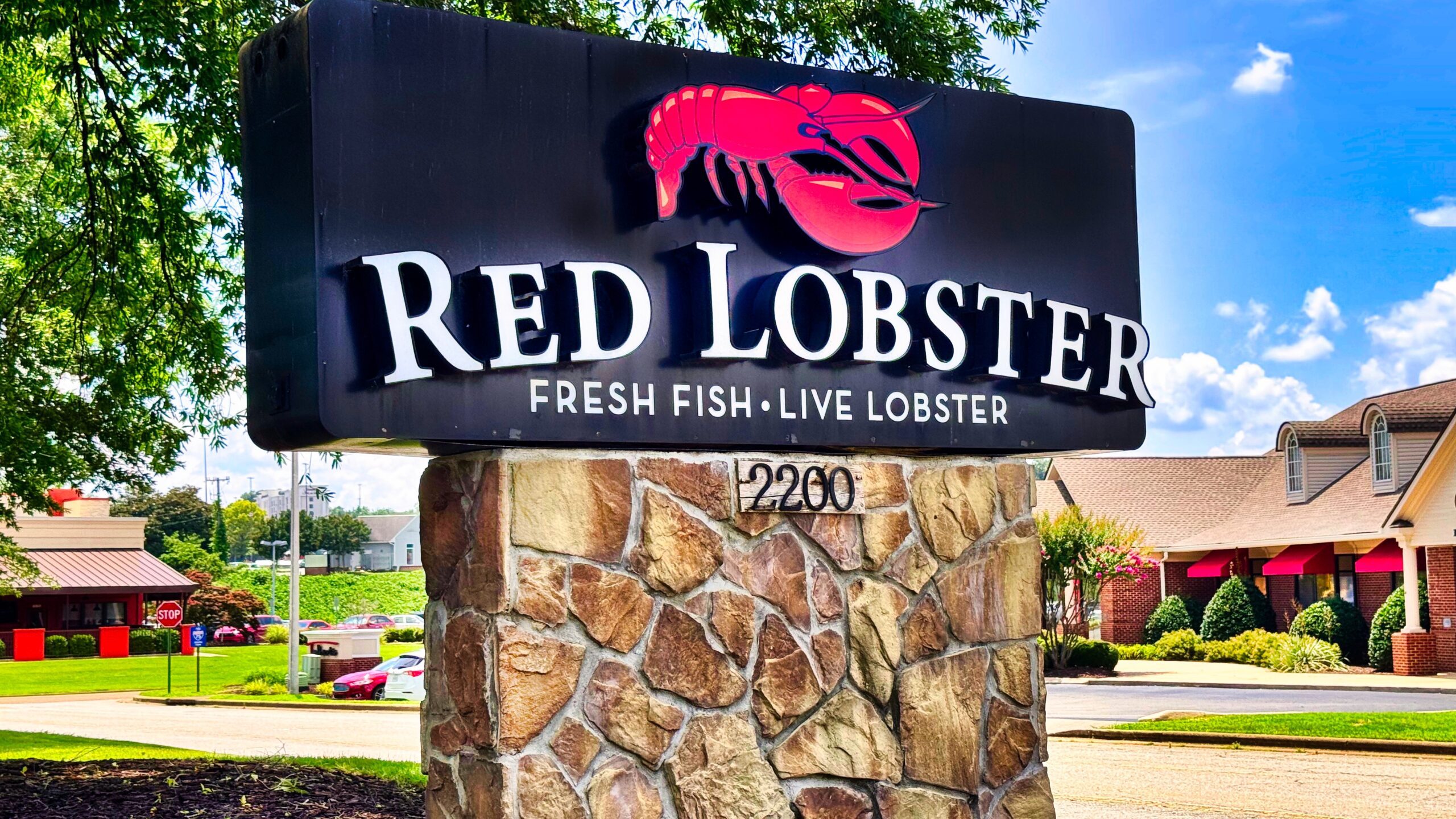
Red Lobster’s new leader is treating the casual seafood chain less like a cozy family restaurant and more like a patient in intensive care. After a bankruptcy that exposed years of strategic drift, CEO Damola Adamolekun is warning that the only way to save the brand is to make it smaller, leaner and far more disciplined. The cuts already under way are significant, and the next round is likely to be harsher, with entire locations, menu staples and back-office roles on the line.
The stakes go beyond one company’s balance sheet. Red Lobster helped define affordable seafood dining for suburban America, and its retrenchment will ripple through landlords, suppliers and thousands of hourly workers. The question now is not whether the chain survives in some form, but what kind of business emerges from the triage and who gets left behind as the brand is rebuilt.
The “damaged brand” diagnosis
When Damola Adamolekun stepped into the corner office, he did not pretend he had inherited a healthy operation. He has described Red Lobster as a “very damaged brand,” a blunt assessment that reflects years of overexpansion, heavy discounting and a muddled identity that left the chain exposed when costs spiked and diners traded down. That candor is unusual in corporate turnarounds, and it signals a willingness to shrink the company before trying to grow it again.
Adamolekun’s background is central to understanding the strategy. A quick search of his record shows a finance-driven operator who built his reputation as a problem solver rather than a marketer, and his profile on Damola Adamolekun underscores that he is part of a younger cohort of executives comfortable with aggressive restructuring. That lens helps explain why he is talking openly about closing restaurants and cutting menu items instead of leaning first on new advertising or loyalty programs.
From endless shrimp to bankruptcy
To understand why the CEO is now talking about “brutal” cuts, it helps to look back at how Red Lobster sailed into trouble. The chain leaned heavily on promotions that trained customers to expect big portions at low prices, culminating in a limited-time endless shrimp offer that became a symbol of how quickly costs could outrun revenue. As food inflation and wage pressures mounted, those deals turned from traffic drivers into margin killers.
Reports of Red Lobster’s looming financial distress surfaced well before the bankruptcy filing, with analysts pointing to legacy leases and those aggressive promotions as a toxic combination that left the company overcommitted on rent and under-earning on each plate of seafood it served. One detailed account of Reports of Red highlighted how those long-term obligations boxed the chain in just as traffic softened, setting the stage for the court-supervised restructuring that eventually brought Adamolekun to the helm.
Staff cuts and the human cost
The turnaround has already hit workers directly. Red Lobster has moved to trim its corporate ranks and restaurant-level staffing, signaling that labor is one of the few levers it can pull quickly while slower negotiations over leases and vendor contracts play out. For employees who stuck with the company through the bankruptcy, the message is clear: loyalty is no shield against the new cost discipline.
The most concrete figure so far is the decision by Red Lobster to lay off around 200 employees, a cut that hits both the 200 restaurant-level workers and the broader support structure that keeps locations running. That number is modest compared with the chain’s total headcount, but it is an early indicator of the approach, targeting roles that executives believe can be consolidated or automated. It also raises the prospect of more organized pushback from workers and unions if future rounds of cuts reach deeper into front-of-house and kitchen teams.
Lease triage and the geography of retreat
Real estate is where the next phase of pain will be felt. The CEO has said he is reviewing the company’s restaurant leases and overall footprint, a process that will almost certainly result in more closures as underperforming locations are identified. In practice, that means some communities will lose their only casual seafood option, while others may see a busy but low-margin restaurant shuttered because the rent is simply too high.
According to an interview described by one analysis, The CEO told The Wall Street Journal that the company is actively reviewing its real-estate footprint and is prepared to “trim the fat” by closing locations that cannot be made profitable. That kind of triage tends to favor dense, higher-income trade areas where sales per square foot can support rising occupancy costs, which implies that urban and affluent suburban markets are more likely to keep their Red Lobster while rural and lower-traffic sites face a higher risk of going dark.
Menu surgery and operational streamlining
Cutting locations is only part of the plan; the rest happens inside the four walls that remain. Adamolekun has talked about streamlining operations to speed turnaround, a phrase that usually translates into shorter menus, simplified prep and tighter labor scheduling. In a business where every extra step in the kitchen adds seconds and cost, the CEO is signaling that the era of sprawling menus and complex limited-time offers is ending.
In his conversation with the Journal, Adamolekun said he is “reviewing restaurant leases, and streamlining operations to speed turnaround,” and that past promotions like endless shrimp will be rethought alongside a push for more modern marketing campaigns. One breakdown of that interview notes that Adamolekun told the he wants to focus on tables that are four feet or closer to the kitchen to improve efficiency, a small but telling detail about how granular the operational review has become. The goal is a tighter, more predictable service model that can deliver consistent margins even when traffic is choppy.
Marketing reset and the fight for price-conscious diners
Red Lobster’s troubles are not just about costs; they are also about relevance. For years, the chain relied on nostalgic brand equity and big promotions instead of building a modern relationship with diners who now expect mobile ordering, targeted deals and social-media savvy messaging. Adamolekun has acknowledged that gap and is positioning the brand to chase price-conscious guests with a sharper value story that does not rely on giveaways that wreck the P&L.
One summary of his strategy notes that the company is trying to win back price-sensitive customers through more disciplined offers and updated outreach, with a Journalist describing how Red Lobster is not out of the woods but is leaning on targeted deals rather than blanket promotions. That shift mirrors what other casual chains have done, using data to tailor discounts instead of training every guest to wait for the next all-you-can-eat event.
A millennial CEO with a private equity playbook
Much of the coverage has fixated on Adamolekun’s age, casting him as a millennial CEO trying to drag a legacy brand into a new era. That framing is not wrong, but it risks missing the more important point: his toolkit looks a lot like a private equity playbook, focused on cutting underperforming assets, renegotiating contracts and tightening operations before investing in growth. In that sense, Red Lobster is being treated less like a beloved institution and more like a portfolio company that must earn its way to expansion.
A profile of Red Lobster’s millennial underscores that Damola Adamole is charting a future in “shallower waters,” a metaphor for a smaller, more focused chain that avoids the deep commitments of past years. Another deep dive into how How Red Lobster New CEO Is Clawing the Chain Back After Bankruptcy highlights his role in reshaping the brand’s cost structure and culture, suggesting that the current cuts are not a temporary emergency response but part of a longer-term reset.
More From The Daily Overview
*This article was researched with the help of AI, with human editors creating the final content.

Grant Mercer covers market dynamics, business trends, and the economic forces driving growth across industries. His analysis connects macro movements with real-world implications for investors, entrepreneurs, and professionals. Through his work at The Daily Overview, Grant helps readers understand how markets function and where opportunities may emerge.

