
In today’s rapidly evolving job market, certain college degrees that were once highly valued are now being overlooked by employers. This shift is shaped by technological advancements, changing industry demands, and a growing emphasis on practical skills over traditional academic backgrounds. As a result, students and job seekers may need to reconsider their educational paths to align with current employment trends.
Anthropology
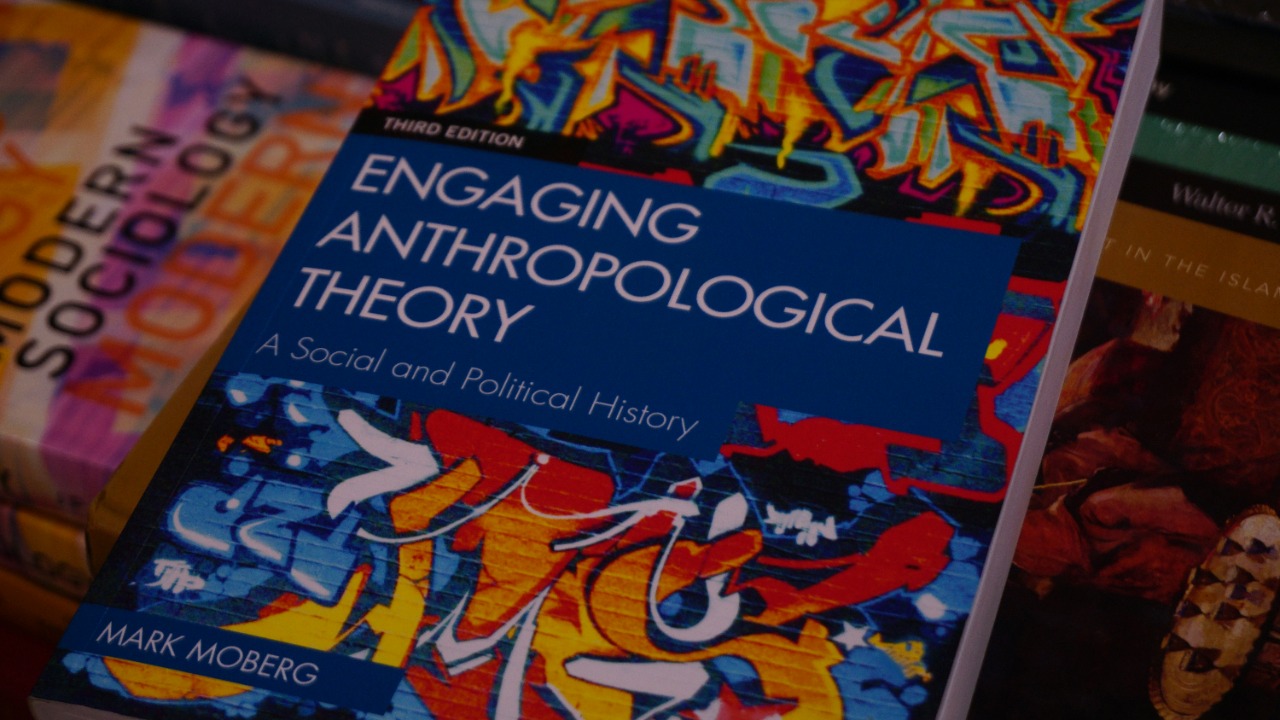
Anthropology degrees have traditionally offered insights into human cultures and societies, but they are now facing challenges in the job market. Employers often prioritize candidates with technical skills or specific industry knowledge over those with broad social science backgrounds. While anthropology graduates bring valuable analytical skills, they may need to complement their education with more specialized training or certifications.
Interestingly, some employers are exploring ways to integrate anthropological insights into their business strategies. However, this integration is not widespread, leading many anthropology graduates to seek careers in fields like academia or nonprofit organizations where their skills are more directly applicable.
Philosophy

Philosophy degrees are known for developing critical thinking and ethical reasoning skills, yet many employers find them too abstract for their practical needs. In industries driven by technology and data, the demand for employees with coding or data analysis skills often takes precedence. Consequently, philosophy graduates may find themselves needing additional qualifications to compete in these fields.
Despite this, some tech companies have recognized the value of philosophical perspectives in areas like ethics and artificial intelligence. For those interested in such niches, combining philosophy with technical expertise could present unique opportunities.
Fine Arts

Fine Arts degrees have historically celebrated creativity and self-expression, but they often face skepticism in the job market. Employers in creative industries may prioritize portfolios and practical experience over formal education. As such, fine arts graduates frequently navigate freelance work or entrepreneurial paths to showcase their talents.
Entrepreneurial skills are becoming increasingly important for fine arts graduates, allowing them to market their work effectively and build sustainable careers. Leveraging online platforms and social media has become a common strategy for artists to reach broader audiences.
History

History degrees offer deep analytical skills and a comprehensive understanding of past events, but they often lack direct application in modern job markets. Employers tend to focus on candidates with skills that align closely with current industry needs. History graduates may find success in fields like education or public policy, where their analytical skills are highly valued.
For those seeking to enter the private sector, additional qualifications in areas like data analysis or project management might enhance their employability. By bridging their historical knowledge with technical skills, history graduates can expand their career options.
Sociology

Sociology degrees provide insights into social behavior and institutions, yet they can be overlooked by employers seeking candidates with specific technical skills. In a world increasingly driven by technology, sociologists may need to adapt by acquiring data analysis or research skills to remain competitive.
While sociology graduates can excel in roles related to social research or community development, they might consider augmenting their education with skills in areas like public health or market research to enhance their career prospects.
Religious Studies

Religious Studies degrees explore diverse faiths and ethical systems, but they may not directly align with many career paths outside academia or religious institutions. Employers often prioritize candidates with more directly applicable skills, leaving religious studies graduates to seek specialized roles.
Some graduates find opportunities in counseling, education, or nonprofit sectors where understanding diverse belief systems is an asset. However, expanding skill sets in areas like social work or cultural studies can open up additional career avenues.
Media Studies

Media Studies degrees focus on media theory and communication, yet technological advancements have shifted employer preferences towards candidates with digital and technical skills. The rise of digital marketing and content creation has led to a demand for practical expertise over traditional media theory.
To remain competitive, media studies graduates might pursue skills in digital content creation, social media management, or data analytics. These skills can provide a bridge between theoretical knowledge and the practical demands of the media industry.
Gender Studies

Gender Studies degrees offer critical insights into gender dynamics and social justice, but they often face challenges in terms of direct career applications. Employers typically seek candidates with skills that align with specific job functions, leaving gender studies graduates to carve out niche roles.
Some graduates find success in advocacy, education, or policy work where their knowledge is highly relevant. Expanding their expertise with skills in areas like human resources or public relations can also enhance their job prospects and marketability.
Music

Music degrees nurture creativity and technical proficiency, yet the job market often favors practical experience or industry connections over formal education. Musicians frequently navigate freelance work, performance gigs, or teaching roles to sustain their careers.
For music graduates looking to diversify their opportunities, acquiring skills in areas like music production, technology, or business management can be beneficial. Leveraging changing employer perspectives on college degrees, music graduates can explore innovative ways to apply their talents in various industries.
Literature

Literature degrees foster critical thinking and communication skills, but they often face scrutiny in job markets focused on technical expertise. Employers increasingly look for candidates with skills that directly contribute to business goals, making literature graduates consider additional training.
For those passionate about storytelling, careers in writing, editing, or publishing can be rewarding. By embracing digital skills and content creation, literature graduates can adapt to the evolving landscape and capitalize on opportunities in areas like digital media or content marketing.

Cole Whitaker focuses on the fundamentals of money management, helping readers make smarter decisions around income, spending, saving, and long-term financial stability. His writing emphasizes clarity, discipline, and practical systems that work in real life. At The Daily Overview, Cole breaks down personal finance topics into straightforward guidance readers can apply immediately.
