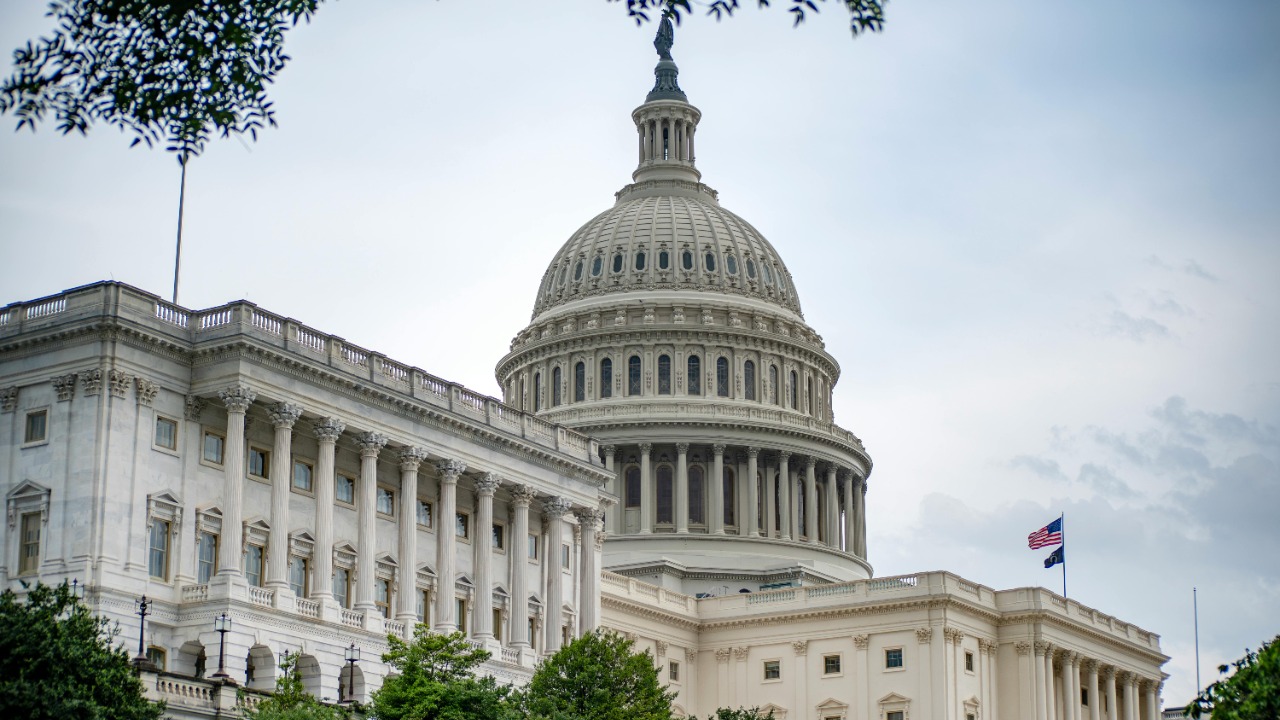
The U.S. Senate recently passed a deal on November 10, 2025, aimed at ending the longest government shutdown in American history. This agreement, which President Trump signed on November 13, 2025, officially concluded a shutdown that had paralyzed federal operations for months. The bipartisan resolution marks a significant breakthrough after prolonged partisan disputes over budget allocations and policy priorities.
Background of the Shutdown
The recent government shutdown, the longest in U.S. history, had far-reaching impacts on federal operations and employees. Lasting several months, it disrupted numerous government services and left hundreds of thousands of federal workers without pay. The shutdown stemmed from intense disagreements over budget allocations, particularly concerning border security funding, which became a major sticking point between the parties. These disputes led to a legislative impasse that neither side could initially overcome.
Early in the shutdown, the Senate played a crucial role in attempting to mediate the situation. Initial reports highlighted the Senate’s involvement in negotiations, as lawmakers from both parties sought to find common ground. Despite these efforts, the deadlock persisted, exacerbating the shutdown’s impact on government functions and the economy. The prolonged nature of the shutdown underscored the deep divisions within Congress and the challenges of reaching a consensus on contentious issues.
Senate Passage of the Deal
The U.S. Senate’s approval of the deal on November 10, 2025, was a pivotal moment in the effort to end the shutdown. The vote demonstrated significant bipartisan support, reflecting a shared urgency to resolve the crisis. Senate leaders emphasized the importance of restoring government operations and alleviating the financial strain on federal employees. Their statements underscored the collective desire to move past the impasse and address the pressing needs of the nation.
Coverage of the Senate’s role in advancing the legislation highlighted the procedural details of the vote and the collaborative efforts that led to its passage. The Senate’s ability to broker a deal was seen as a testament to the power of bipartisan cooperation in overcoming legislative gridlock. This development was a critical step toward resolving the shutdown and restoring normalcy to government functions.
Congressional Clearance and House Vote
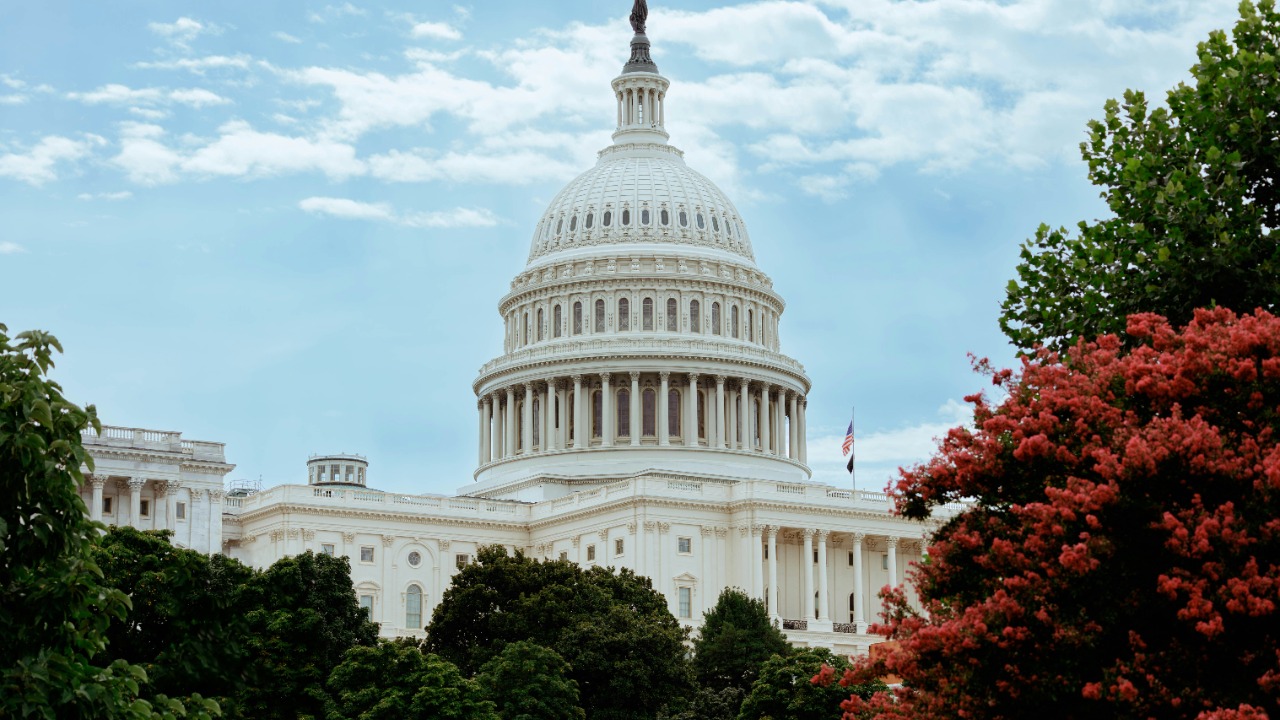
Following the Senate’s action, the deal cleared Congress with a decisive vote in the U.S. House on November 12, 2025. The House’s approval marked the final legislative hurdle before the agreement could be enacted. The procedural steps in the House included debates and potential amendments, reflecting the complexity of the legislative process. Despite these challenges, the deal ultimately received the necessary support to pass.
The final congressional approval process was a culmination of extensive negotiations and compromises. Lawmakers from both parties worked to address concerns and ensure the deal’s passage, highlighting the importance of collaboration in achieving legislative success. The House vote was a critical milestone in the effort to end the shutdown and restore government operations.
Trump’s Signing of the Bill
President Trump’s signing of the deal on November 13, 2025, officially ended the longest government shutdown in U.S. history. The signing event was a significant moment, as it marked the conclusion of a prolonged period of uncertainty and disruption. In his remarks, Trump acknowledged the challenges of the shutdown and emphasized the importance of the agreement in addressing the nation’s needs.
Multiple accounts of the signing event highlighted its immediacy following congressional passage, underscoring the urgency of resolving the shutdown. The agreement’s terms and implications were a focal point of discussion, as stakeholders considered the broader impact on government operations and the economy. The signing of the bill was a critical step in restoring stability and ensuring the continued functioning of federal services.
In conclusion, the resolution of the longest government shutdown in U.S. history was a significant achievement for Congress and the administration. The bipartisan agreement demonstrated the power of collaboration in overcoming legislative challenges and addressing the needs of the nation. As the government resumes normal operations, the focus now shifts to implementing the agreement’s provisions and preventing future shutdowns.
More From TheDailyOverview
- Dave Ramsey says these two simple questions show whether you’re rich or poor
- Retired But Want To Work? Try These 18 Jobs for Seniors That Pay Weekly
- IRS raises capital gains thresholds for 2026 and what’s new
- 12 ways to make $5,000 fast that actually work

Grant Mercer covers market dynamics, business trends, and the economic forces driving growth across industries. His analysis connects macro movements with real-world implications for investors, entrepreneurs, and professionals. Through his work at The Daily Overview, Grant helps readers understand how markets function and where opportunities may emerge.