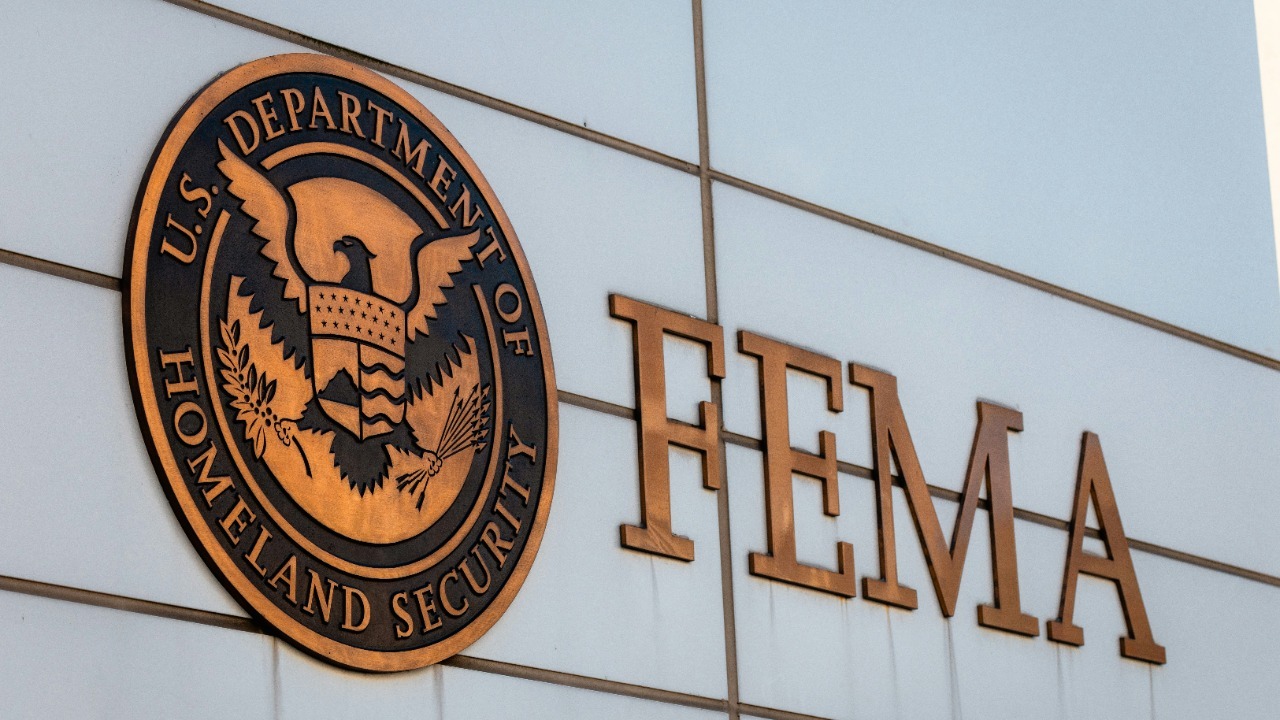
The Department of Homeland Security reversed its plan to suspend TSA PreCheck during the ongoing government shutdown, backing down after swift backlash from travelers, airlines, and members of Congress. The abrupt U-turn, which came roughly one week into the funding lapse, left Global Entry users without the same relief and raised pointed questions about whether DHS was selectively restoring services to manage political fallout rather than operational necessity.
DHS Announced, Then Walked Back, PreCheck Suspension
DHS initially said it would end PreCheck lanes and Global Entry service as part of a package of emergency measures to conserve resources during what the department labeled “Democrats’ Shutdown” in a February 22 press release. The framing itself was telling: by branding the funding lapse as a partisan failure, DHS signaled that the service cuts were designed at least partly to apply public pressure on congressional opponents. Suspending a program used by millions of frequent flyers guaranteed immediate, visible pain at airports across the country and ensured that the consequences of the funding lapse would be felt far beyond Washington.
Within hours of the announcement, DHS reversed course on PreCheck specifically. TSA stated that “PreCheck remains operational,” with staffing decisions made “on a case-by-case basis,” according to an Associated Press account carried by The Washington Post. Separate coverage in the Post’s national section underscored how unusual it was for DHS to pivot so quickly on a high-profile operational change, suggesting that the original threat may have been less about actual staffing math and more about creating a shock that could be walked back once the political message had landed.
Global Entry Still Disrupted as PreCheck Gets Special Treatment
While PreCheck lanes reopened, Global Entry disruptions continued, according to The Guardian’s reporting on the situation. That split outcome is worth examining closely. PreCheck affects domestic air travelers at security checkpoints inside the United States. Global Entry, administered by Customs and Border Protection, speeds re-entry for international travelers at ports of entry. Both are fee-based trusted traveler programs, and both were initially targeted for suspension. Yet only the program with the broadest domestic visibility and the most direct impact on everyday airport lines got restored once the backlash began.
The selective restoration points to a calculated political logic. Shutting down PreCheck would have created visible, daily frustration for a large number of American travelers, many of them business flyers and frequent voters who tend to be vocal and influential. Global Entry disruptions, by contrast, affect a smaller group at international arrival points, making the political cost lower and the optics less damaging. DHS effectively chose to absorb the quieter complaint while defusing the louder one. That pattern, restoring the service most likely to generate headlines while leaving a less visible program degraded, fits a shutdown playbook where agencies manage public perception as much as budgets, even as they insist the moves are driven solely by resource constraints.
What PreCheck Travelers Should Actually Expect
Even with the reversal, the TSA’s own language offers less certainty than the headlines suggest. The agency’s case-by-case staffing caveat means that individual airports could still close PreCheck lanes during periods of low staffing, which is a real possibility as the shutdown stretches on and overtime costs mount. The official PreCheck overview has always noted that expedited screening is not guaranteed, a detail that takes on new weight during a funding lapse. Travelers enrolled in PreCheck should not assume their experience will be unchanged, even though the program technically remains active and boarding passes continue to show the familiar indicator when itineraries are processed.
Enrollment infrastructure, meanwhile, appears to be holding. The online Known Traveler Number tool and the PreCheck application portal both remained accessible, suggesting that the back-end systems supporting the program have not been shut down or placed in a maintenance-only mode. The agency’s fingerprint transaction system, which underpins background checks for applicants, also appeared operational. For travelers wondering whether to apply or renew, the digital tools are still functioning, but the real question is whether staffing at airports can sustain the promise of shorter lines when federal workers are operating without guaranteed pay and when call-outs or attrition could quickly erode the benefits that PreCheck members expect.
Congressional Perks Cut While Travelers Wait
In a pointed side note to the PreCheck drama, DHS also suspended courtesy escorts for members of Congress at airports, according to the Associated Press account cited by the Post. That move, less widely covered than the PreCheck reversal, carries its own political charge. Courtesy escorts allow lawmakers to bypass standard security procedures when traveling, a perk that most Americans do not know exists and that sits uneasily with the image of shared sacrifice during a shutdown. Cutting it during a funding lapse that Congress itself caused sends a clear message: if legislators cannot keep the government open, they lose the fringe benefits that come with it, at least for as long as DHS wants to keep the pressure on.
The escort suspension also reveals how DHS is using targeted service reductions as leverage in the broader funding fight. Each cut is calibrated to apply pressure on a specific audience. PreCheck hits ordinary travelers who may complain loudly to airlines and elected officials. Global Entry hits international business travelers and frequent flyers who rely on predictable re-entry times. Escort suspensions hit the lawmakers who hold the purse strings and who are now subject to some of the same delays as their constituents. Whether any of these moves actually accelerates a funding deal is uncertain, but the strategy of selective pain is unmistakable. Industry backlash from airlines added another pressure point, with carriers concerned about longer security lines slowing passenger throughput, complicating crew scheduling, and creating cascading delays that would be blamed on both the shutdown and the agencies enforcing it.
Shutdown Tactics Expose a Deeper Pattern
Most coverage of the PreCheck reversal has treated it as a straightforward win for public pressure: travelers complained, DHS listened, and a popular program was spared. That reading is incomplete. The more telling detail is how quickly DHS was willing to abandon a position it had just staked out, and how selectively it chose which services to restore. If the original suspension was driven by genuine resource constraints, then restoring PreCheck while keeping Global Entry offline suggests that staffing was never the binding issue for domestic checkpoints in the way the initial announcement implied. If it was driven by political strategy, the episode becomes an example of how agencies can use threatened service cuts as signaling devices, dialing them up or down to shape public anger and direct it toward particular actors in Washington.
There is also a broader communications context to consider. Just days before the PreCheck announcement, DHS warned that the funding lapse would affect its online presence, outlining in a separate notice about web and social media operations that some digital updates could be curtailed during the shutdown. Against that backdrop, the highly publicized PreCheck threat and rapid reversal stand out as choices rather than mere byproducts of constrained capacity. DHS showed that, even while warning of limited communications, it could still move quickly to broadcast a politically resonant cut and then just as quickly to reassure a frustrated traveling public. That pattern raises a deeper question likely to linger after the shutdown ends. To what extent are essential services being managed for operational resilience, and to what extent are they being staged as leverage in recurring budget standoffs that leave both travelers and frontline workers caught in the middle?
More From The Daily Overview
*This article was researched with the help of AI, with human editors creating the final content.

Grant Mercer covers market dynamics, business trends, and the economic forces driving growth across industries. His analysis connects macro movements with real-world implications for investors, entrepreneurs, and professionals. Through his work at The Daily Overview, Grant helps readers understand how markets function and where opportunities may emerge.

