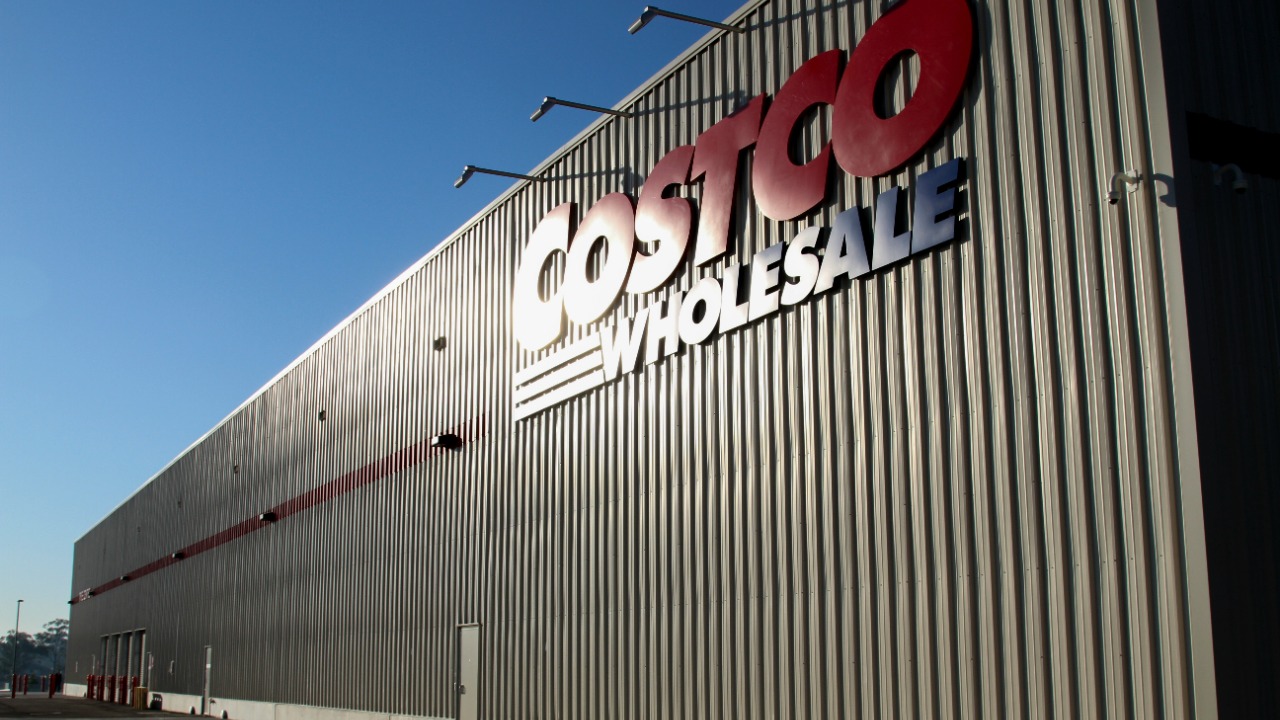
A truckload of live lobster worth $400,000 vanished somewhere between a New England loading dock and a cluster of Midwest warehouse stores, turning a routine Costco delivery into a federal crime story. The missing seafood was supposed to be chilled, aerated, and stacked in crates for shoppers in Illinois and Minnesota, not quietly siphoned off the highway. Instead, investigators are now treating the disappearance as a sophisticated hijacking that exposes how vulnerable high value food shipments can be once they leave the dock.
What might sound like a punchline about stolen shellfish is, in reality, a serious organized theft that ripples from coastal fisheries to inland consumers. The loss hits a regional supplier, disrupts Costco’s carefully calibrated supply chain, and hints at a broader black market for premium groceries that can be flipped quickly for cash. I want to unpack how this heist unfolded, why it matters for anyone who buys food in bulk, and what it reveals about the growing criminal interest in everyday products that happen to carry luxury price tags.
From New England docks to a missing truckload
The story begins in the cold-water lobster trade that runs through coastal hubs like Taunton, Massachusetts, where seafood distributors consolidate live crustaceans for shipment inland. A supplier prepared a load of live lobsters, packed into temperature controlled containers and oxygenated tanks, for a long haul run to warehouse stores in the Midwest. That cargo, valued at $400,000, was not just another pallet of frozen goods, it was a rolling inventory of living animals that require constant care to stay market ready. The truck left the region with a clear destination and a tight delivery window, since every hour on the road affects survival rates and, by extension, the shipment’s value.
Somewhere between the Atlantic coast and its scheduled stops, the truck’s journey took a turn that investigators now describe as a hijacking rather than a simple delay or mechanical breakdown. Reports describe a $400,000 shipment of lobsters that was “headed for Cost…” and then never arrived, a detail that appears in multiple accounts of the same missing load. The fact that the thieves targeted a live cargo that needs specialized handling suggests they either had inside knowledge of the route and timing or access to someone who did. It also hints at a ready outlet for the product, since no opportunistic thief wants to be stuck babysitting thousands of live lobsters that start dying the moment refrigeration or aeration fails.
A $400,000 hole in Costco’s seafood aisle
The intended destination for the missing crustaceans was a set of Midwest Costco locations, where live lobster is a seasonal draw that signals both abundance and value to members. A single truck carrying $400,000 worth of product represents a significant chunk of inventory for those stores, especially when the cargo is earmarked for specific weekends or promotional windows. When that load disappears, seafood counters cannot simply swap in another protein, because live lobster requires dedicated tanks, staff training, and advance marketing that all assume the animals will actually arrive. The gap shows up not just as an empty tank but as a broken promise to shoppers who expect Costco’s seafood section to be stocked and predictable.
For the retailer, the loss is not limited to the wholesale cost of the lobsters. A disrupted shipment forces last minute adjustments to merchandising plans, potential refunds or substitutions for preorders, and awkward conversations with customers who drove in expecting a particular item. One report notes that a $400k shipment of live lobsters was hijacked en route to Midwest Costco locations, underlining that this was not a marginal side order but a central piece of the chain’s seafood offering. When a single truck can erase $400,000 in inventory in one incident, it becomes clear why retailers and their suppliers treat cargo security as a core business risk rather than a niche logistics concern.
Illinois and Minnesota shoppers left empty handed
The human impact of the heist shows up most clearly in the Midwest, where the lobsters were bound for Costco locations in Illinois and Minnesota. Warehouse members in those states often plan big meals around occasional live seafood offerings, timing family gatherings or holiday menus to coincide with when the tanks are full. When the shipment never arrived, anyone who was hoping to pick up a lobster from Costco in Illinois or Minnesota soon found themselves out of luck, with no easy substitute that carries the same sense of occasion. The disappointment is not just culinary, it is also a reminder that even the most reliable retail experiences depend on long, fragile supply chains.
One account framed the fallout bluntly, noting that Anyone who had planned on a Costco lobster dinner in those states would now have to rethink their menu. That same reporting points out that when high value food shipments are stolen, the costs do not vanish with the thieves, they are eventually baked into higher prices for everyone else. In other words, the missing lobsters are not just a quirky crime story, they are part of a pattern that drives up consumer prices and erodes the sense that big box stores can always deliver the goods they advertise.
How the hijacking unfolded on the road
Details about the exact moment the lobsters left legitimate custody remain limited, but the pattern described by investigators fits a familiar template for cargo theft. A truck carrying a clearly documented $400,000 shipment of live lobsters was on a known route to Costco locations when thieves intervened, either by diverting the driver, swapping trailers, or using forged paperwork to take control of the load. The fact that the incident is being treated as a hijacking rather than a simple theft from a parked vehicle suggests some level of confrontation or deception on the road. In cargo crime, that distinction matters, because it points to planning, coordination, and possibly a broader network that scouts and intercepts specific loads.
Reports on the case emphasize that the lobsters were “headed for Cost…” and that the truck was hijacked before it could reach its Midwest Costco destinations, language that appears in multiple summaries of the incident. Another account describes a $400k shipment of live lobsters hijacked en route to Midwest Costco locations, reinforcing that the crime occurred mid transit rather than at a warehouse or loading dock. When I read those details together, I see a scenario in which the thieves knew both the value and the timing of the cargo, which is consistent with other organized thefts that target high end products like electronics, designer goods, or premium tools. The difference here is that the stolen items are alive and perishable, which raises the stakes for everyone involved.
Why live seafood is a tempting target
At first glance, stealing thousands of live lobsters sounds like a logistical nightmare, but the economics make the risk attractive to organized thieves. A single truckload worth $400,000 can be broken down into smaller lots and sold quickly to restaurants, wholesalers, or informal markets that are willing to look the other way on provenance. Because the animals are perishable, buyers may accept a discount in exchange for speed, and the thieves can still walk away with a substantial profit. From a criminal’s perspective, that combination of high value, quick turnover, and relatively low traceability makes live seafood a surprisingly efficient target compared with bulkier or more easily serialized goods.
One detailed account of the case describes a shipment of live lobsters worth $400,000 that was hijacked while en route to Costco locations in Illinois and Minnesota, and frames the incident as part of a broader pattern of an organized criminal ring targeting high end products. That framing matters, because it places lobsters in the same risk category as other premium items that can be fenced without leaving a long paper trail. When thieves can move stolen seafood into legitimate looking supply chains, perhaps through intermediaries who mix it with lawful product, the original crime becomes harder to detect and prosecute. The result is a shadow market where stolen food quietly feeds into everyday menus.
Organized retail crime and the Home Depot connection
The lobster heist does not exist in isolation, it sits alongside a wave of organized retail crime that has hit everything from power tools to cosmetics. In one high profile case, a ringleader in Baldwin built a $40K Home Depot theft operation that relied on crews stealing merchandise and then funneling it into a resale network. Coverage of that case explicitly references a $400,000 shipment of lobsters headed for Midwest Costco locations, drawing a line between the seafood hijacking and a broader ecosystem of theft. The same report notes both $400,000 and $400 figures in the context of stolen goods, underscoring how these operations can range from small grabs to six figure hauls that rival the lobster load in scale.
Another investigation into organized theft describes how 14 people were arrested in connection to the largest ever Home Depot theft operation, where stolen items were allegedly delivered to a central location and then resold. That reporting also mentions that the lobsters were bound for Costco locations in Illinois and Minnesota, reinforcing the idea that cargo theft and retail theft are part of the same criminal landscape. When I connect those dots, I see a pattern in which the same networks that move stolen tools or appliances can just as easily move stolen seafood, provided they have buyers who care more about price than paperwork. The lobster truck becomes one more asset in a diversified criminal portfolio.
Federal attention and the FBI’s crustacean case
The scale and sophistication of the lobster theft have drawn federal attention, turning what might have been a local police matter into a case for national investigators. One analysis describes the incident as a crustacean case for the FBI, noting that a shipment of live lobsters worth $400,000 was hijacked while en route to Costco locations in Illinois and Minnesota. That framing signals that authorities suspect an organized criminal ring targeting high end products, not a one off crime of opportunity. When the FBI steps in, it brings tools like interstate surveillance, financial tracing, and coordination with other cargo theft investigations that might reveal common players or methods.
Another report on the hijacking quotes a security expert named Rexing, who warns that Until there is a stronger response to these thefts, they will continue to disrupt businesses and impact everyday prices. That comment captures the stakes for federal involvement, because the goal is not just to recover one lost shipment but to deter future attacks on the supply chain. When criminals see that a $400,000 lobster load triggers a serious federal probe, it may change their calculus about targeting similar cargo. At the same time, the need for such a response highlights how lucrative and entrenched organized retail crime has become.
How media framed the “Claws off” caper
Media coverage of the lobster hijacking has walked a line between playful headlines and sober analysis of the underlying crime. One widely shared story opened with the phrase Claws off, a nod to the absurdity of stealing thousands of live crustaceans, while still detailing the financial and logistical damage. The same piece credits reporter Graig Graziosi and notes that the shipment of $400K worth of lobsters was hijacked en route to Costco stores, emphasizing both the dollar figure and the retailer’s role. That blend of wordplay and hard numbers reflects how unusual the case is, even in a news cycle crowded with theft stories.
Other coverage has taken a more straightforward tone, describing a $400k shipment of live lobsters hijacked en route to Midwest Costco locations and focusing on the implications for businesses and consumers. One business focused report, labeled as part of a Dec FOX Business Flash segment, urges readers to Check out what is clicking in the economy while recounting how the lobsters vanished. Another version of the same story notes that a $400,000 shipment of lobsters headed for Cost… was intercepted, repeating the key figures to drive home the scale of the loss. Across these accounts, the narrative shifts from quirky crime to serious supply chain disruption once the dollar amounts and downstream effects are fully spelled out.
What the heist means for prices and prevention
Beyond the immediate loss, the lobster hijacking illustrates how cargo theft quietly feeds into the prices shoppers see on store shelves. When a supplier or retailer absorbs a $400,000 hit on a single shipment, insurance may cover part of the loss, but premiums and risk calculations adjust accordingly. Over time, those higher costs are spread across product lines, meaning that even customers who never buy lobster may pay a little more for other items. One analysis of the case points out that thefts like this disrupt businesses and impact everyday prices, echoing Rexing’s warning that the financial pain does not stop at the loading dock. For a chain that prides itself on low margins and member value, repeated hits of this size are unsustainable without some form of cost recovery.
From a prevention standpoint, the case is likely to accelerate investment in GPS tracking, tamper evident seals, and tighter vetting of drivers and subcontractors who handle high value loads. I expect more suppliers to treat live seafood shipments the way electronics companies treat pallets of smartphones, with layered security and real time monitoring that can flag suspicious detours. Some of the reporting on the lobster theft sits alongside stories about large scale Home Depot theft operations, suggesting that law enforcement and retailers are already thinking about these crimes as part of a single ecosystem. If that perspective takes hold, we may see more joint task forces, data sharing, and targeted crackdowns on the networks that profit from both stolen tools and stolen lobsters.
A growing black market for everyday luxury
What makes the Costco lobster heist so revealing is that it targets a product that sits at the intersection of everyday shopping and aspirational dining. Live lobster is not a rare gemstone or a high end watch, it is a food item that many families buy once or twice a year when the price is right. Yet the $400,000 value of a single truckload shows how quickly those occasional splurges add up when aggregated across a region. Criminals have clearly noticed that everyday luxuries like premium seafood, high grade meat, and specialty alcohol can be stolen in bulk and resold into a hungry market that spans restaurants, caterers, and informal channels. The lobster truck is a vivid example of that trend, but it is unlikely to be the last.
As I look across the reporting, from the crustacean case for the FBI to the references in organized retail theft investigations, I see a convergence of forces that make food cargo an increasingly attractive target. High inflation, tight margins, and persistent demand for quality ingredients create conditions where a stolen shipment can be flipped quickly and quietly. At the same time, the very scale that allows Costco and similar chains to offer competitive prices also concentrates risk into a handful of massive loads. Until the industry and law enforcement can close the gaps that allowed a $400,000 shipment of live lobsters to vanish mid delivery, shoppers in places like Illinois and Minnesota will remain vulnerable to the ripple effects of crimes they never see.
More From TheDailyOverview

Grant Mercer covers market dynamics, business trends, and the economic forces driving growth across industries. His analysis connects macro movements with real-world implications for investors, entrepreneurs, and professionals. Through his work at The Daily Overview, Grant helps readers understand how markets function and where opportunities may emerge.