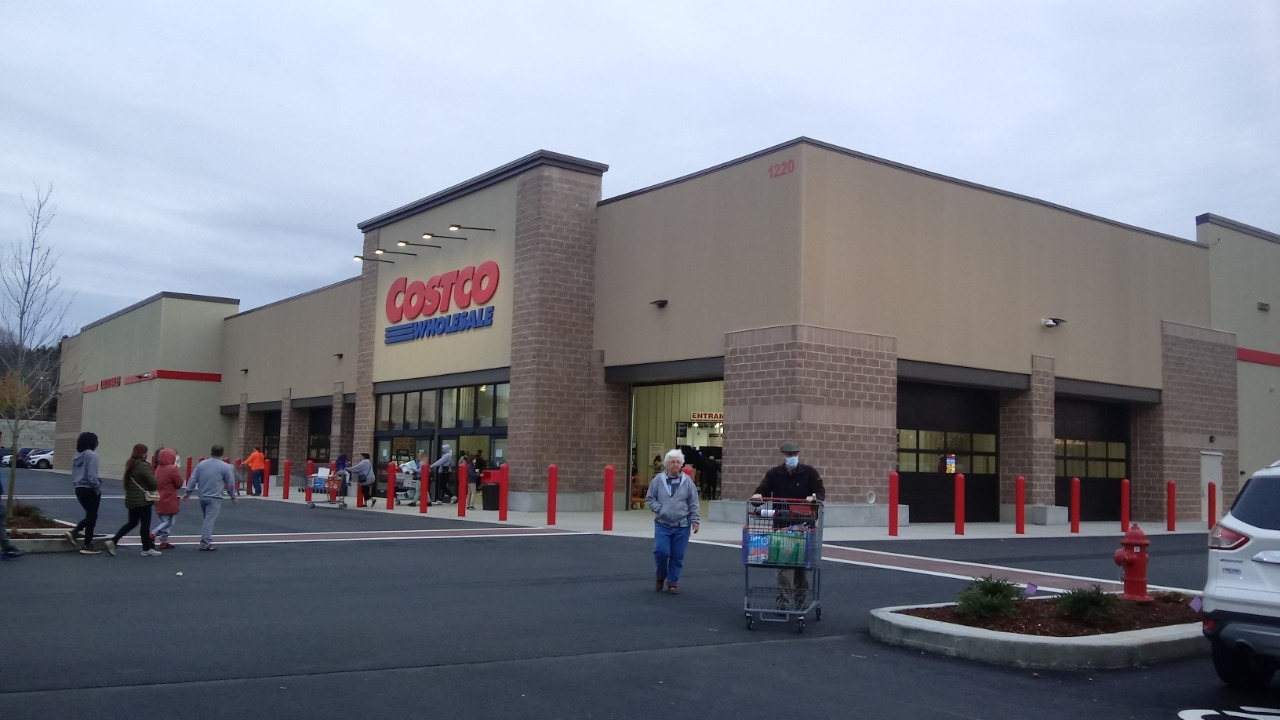
Costco’s decision to carve out early shopping windows for its highest tier of members has triggered a loud backlash from some shoppers who feel shut out, even as the retailer quietly posts stronger traffic and higher sales. The new schedule, which reserves the first hour of the day for Executive cardholders, is testing how far a value-focused warehouse club can lean into exclusivity without alienating its base. I see a clear tension emerging between the optics of “Executives only” and the hard numbers that suggest the strategy is working.
At the center of the debate is a simple trade-off: a smoother, less crowded experience for those willing to pay more, versus a sense of second-class status for everyone else. The data now coming in on store visits and revenue shows measurable gains tied to the change, yet the emotional response from many longtime members underscores how sensitive loyalty programs have become in an era of rising fees and shrinking perks.
How Costco’s Executive-only hours actually work
The new policy gives Costco’s top tier, the Executive Membership, a dedicated early access window before the doors open to the rest of the crowd. In practical terms, that means Executive cardholders can enter during a reserved first hour, while standard members wait outside until the general opening time. The shift is framed as a premium benefit layered on top of the existing rewards structure, which already includes a 2 percent annual rebate for those who pay for the upgrade.
That upgrade is not cheap. To access the retailer’s top-tier perks, shoppers need an $130 Executive Membership, a price point that has become a flashpoint in the current debate. Costco stores typically open at 10 a.m. on weekdays and Sundays, and at 9:30 a.m. on Saturdays, and beginning earlier this year, the company shifted that schedule so Executive members could enter an hour earlier while the pharmacy department remains closed during that period. Per Costco’s own social media explanation, Executive members are now able to shop before other members between 9 a.m. and 10 a.m., with a 9:30 a.m. early window on Saturdays, which formalized what had previously been a looser “grace period” for anyone who showed up before opening.
Backlash from non-Executive members and early adopters’ complaints
The most vocal criticism has come from shoppers who either cannot or do not want to pay for the higher tier, and who now find themselves waiting outside while a smaller group browses inside. In SEATTLE, some customers described Costco Wholesale’s new early access shopping policy as a benefit that favors higher paying members at the expense of everyone else, especially after the company ended the informal early entry that many regulars had relied on for years. The fact that the Executive membership is explicitly priced at $130 per year has sharpened the perception that the chain is drawing a harder line between those who can afford the upgrade and those who cannot.
The resentment is not limited to people stuck outside the doors. Some Executive members themselves have flagged practical problems with the rollout, from inconsistent enforcement to confusion at the entrance. One detailed account from Maurie Backman highlighted how early shoppers expecting a quieter store instead encountered bottlenecks and operational hiccups, raising the risk that Costco could frustrate the very customers it is trying to reward. When Costco announced earlier this year that it would tighten the rules around who could enter before opening, some long-time members who had grown used to flexible entry times felt blindsided, and the company now has to manage that disappointment without losing members it cannot afford to lose.
Inside the Executive-only hour: what fans say they are getting
Despite the noise, there is a cohort of shoppers who say the change has delivered exactly what they wanted: a calmer, more efficient Costco run. One Executive member on Reddit wrote that they “honestly love” the new schedule and even admitted that the early access was the reason they upgraded their membership, describing it as a relaxing shopping experience when the store is not yet packed and the aisles are easier to navigate. That sentiment, shared in a thread titled Aug, underscores how a single perk can tip the scales for customers who were on the fence about paying more.
Employees have noticed the difference as well. In another Reddit discussion, a worker described how an early open “was great,” with the store manager even out on the floor engaging with shoppers, and a fellow meat department employee chimed in about how the new rhythm changed their morning workload. That anecdote, shared in a post dated Jun, suggests that the Executive-only hour can create a more controlled environment for staff, which in turn can translate into better service for the members who are inside. Supporters on another thread went further, insisting “We LOVE the early hour entrance for executive members” and urging Costco not to cave in to what they saw as media-driven complaints, a stance captured in a post labeled Sep that framed the perk as a fair reward for those who pay more even if they only go once a month.
The traffic and sales data: measurable gains from early access
Beyond anecdotes, the clearest signal that the policy is doing what Costco intended comes from the traffic patterns inside its warehouses. Since June 30, 2025, Costco has offered Executive members an extra hour to shop at many warehouses, and by Sep the company and outside analysts were already tracking how the change reshaped visit timing and dwell times. Location analytics show that the early window has pulled some trips forward into the morning, smoothing out the midday crush and giving the chain more control over how crowds flow through the building, a shift detailed in an analysis of how Costco early openings reshape store traffic patterns.
Costco’s own leadership has been explicit about the upside. On a recent earnings call, CEO Ron Vachris said, “We estimate these incremental hours have added about 1% to weekly U.S. sales since implementation,” a figure that puts real money behind what might otherwise look like a cosmetic perk. Vachris also noted that the company now operates 914 warehouses and plans to open another 81 locations, with an emphasis on markets where it already has a strong presence, a strategy that relies on squeezing more productivity out of each building. Those comments, which framed the early access as a driver of both sales and membership upgrades, were reported in coverage of how Vachris sees the program as a lever for growth.
Why Costco is pushing so hard on the Executive tier
From a business perspective, the early access policy is less about the hour itself and more about nudging members into a more lucrative tier. Costco is invested in adding extra value for Executive members because it wants more people to join at or upgrade to that tier, which carries higher annual fees and tends to attract heavier spenders. One analysis put it bluntly, noting that Costco is using aggressive new tactics that upset some members precisely because the payoff from a larger Executive base is so significant.
The company’s financial disclosures back that up. In a breakdown of recent earnings, Costco’s CEO said the extended hours have not only added to weekly sales but also encouraged more members to upgrade to the Executive tier, a point highlighted in coverage that urged readers to Follow Dominick Reuter for more details on how those numbers break down. Another report on store-level behavior noted that Costco’s decision to open stores early for Executive members was not guaranteed to be a success, yet foot traffic data indicates that visits have increased since the new schedule took effect, with Costco seeing higher traffic tied directly to the new Executive member shopping hours.
The risk calculus: loyalty, perception, and what comes next
For all the positive data, Costco still has to navigate the softer side of the equation: how the policy feels to the millions of people who built the brand long before early access became a perk. The decision means shoppers without Executive memberships must wait until after 10 a.m. to begin their shopping, a change that some see as a subtle downgrade of the standard card. Reports on how the company enforces early shopping hours for Executive members only have described frustrated customers turned away at the door, with Costc staff caught in the middle as they explain the new rules to people who were used to more flexibility.
At the same time, retail analysts are already dissecting the move as a case study in how far a membership model can stretch. A recent segment titled “Costco’s Executive Hours: The Data Is In” on the Omni Talk Retail Fast Five Shorts podcast framed the early access as a test of whether shoppers will accept more stratified benefits if the value proposition is clear. The Fast Five Shorts Shownotes emphasized that the Executive Hours program is being watched closely by other chains that rely on paid memberships, because it blends operational tweaks with psychological signals about status and priority. If Costco can keep the sales lift, smooth out the operational kinks, and address the concerns raised by members like those profiled by Maurie Backman, it will have shown that even a famously egalitarian warehouse club can lean into tiered access without breaking the trust that made its parking lots so full in the first place.
More From TheDailyOverview
- Tennessee loses $2.6B megafactory and faces major layoffs
- Retired But Want To Work? Try These 18 Jobs for Seniors That Pay Weekly
- What to do with your pennies after the U.S. stops minting them
- Home Depot CEO warns of a troubling customer trend in stores

Grant Mercer covers market dynamics, business trends, and the economic forces driving growth across industries. His analysis connects macro movements with real-world implications for investors, entrepreneurs, and professionals. Through his work at The Daily Overview, Grant helps readers understand how markets function and where opportunities may emerge.

