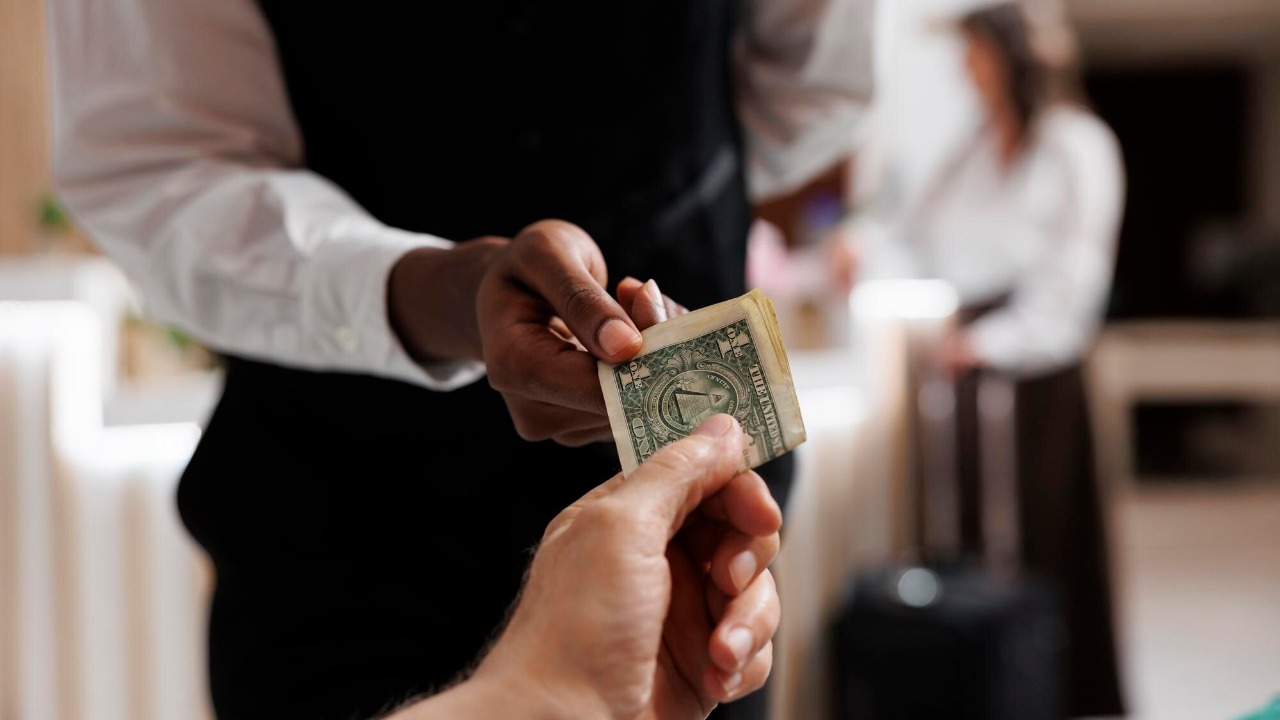
In the evolving landscape of hotel hospitality, tipping remains a nuanced practice that many guests navigate with uncertainty. As hotels introduce new tipping methods, guests are often left grappling with the implications of these changes. This shift not only highlights the complexity of tipping but also underscores common mistakes that guests make, often without realizing it. Understanding these pitfalls can enhance the guest experience and ensure that hotel staff receive the recognition they deserve.
1) Forgetting to Tip Housekeeping Daily
One of the most common oversights in hotel tipping is neglecting to tip housekeeping staff daily. Housekeepers play a crucial role in maintaining the cleanliness and comfort of hotel rooms, yet their efforts often go unnoticed. With the push for new tipping methods, this traditional oversight has come into sharper focus. Many guests mistakenly assume that a single tip at the end of their stay suffices, but daily tipping is a more effective way to acknowledge the ongoing service provided by housekeeping staff.
Housekeeping staff are responsible for a wide range of tasks, from changing linens to replenishing toiletries, and their work significantly contributes to a guest’s overall experience. By tipping daily, guests can show appreciation for the continuous effort that goes into maintaining their rooms. This practice not only boosts morale among housekeeping staff but also encourages a higher standard of service throughout the stay.
Moreover, daily tipping aligns with the evolving expectations of hotel gratuity practices. As hotels promote new tipping initiatives, guests are encouraged to reconsider how they distribute tips across different roles. By recognizing the importance of daily housekeeping tips, guests can avoid the common mistake of overlooking this essential service and contribute to a more equitable distribution of gratuities.
2) Tipping Only at Checkout Instead of Throughout the Stay
Another frequent mistake is reserving tips for checkout rather than distributing them throughout the stay. This approach can inadvertently diminish the recognition of ongoing service provided by hotel staff. Guests often have strong opinions about the shifting expectations around hotel gratuities, and this practice is a key area of concern.
When guests tip only at checkout, they miss the opportunity to acknowledge the continuous efforts of staff members who contribute to their experience from the moment they arrive. Bellhops, valets, and concierge staff, for example, often provide valuable services throughout a guest’s stay, and tipping them as services are rendered can enhance the overall hospitality experience. This approach not only rewards staff for their immediate contributions but also fosters a more personalized and attentive service culture.
Furthermore, tipping throughout the stay aligns with the broader trend of new tipping trends in the hospitality industry. By recognizing the importance of ongoing service, guests can better navigate the evolving landscape of hotel gratuities and ensure that their tips are both timely and impactful. This practice helps to build a more positive relationship between guests and staff, ultimately enhancing the overall hotel experience.
3) Not Tipping Bellhops or Valet Separately
Guests often make the mistake of lumping all tips together, which can lead to confusion about the roles and contributions of different staff members. This issue is particularly relevant for bellhops and valet staff, whose services are distinct yet frequently overlooked. As hotels push innovative tipping methods, the importance of recognizing individual contributions becomes more apparent.
Bellhops and valet staff provide essential services that enhance the convenience and comfort of a guest’s stay. Bellhops assist with luggage, ensuring that guests can settle into their rooms with ease, while valet staff manage parking logistics, saving guests time and effort. By tipping these staff members separately, guests can acknowledge the specific value of their services and foster a more appreciative and respectful environment.
This practice also aligns with the broader trend of clarifying tipping expectations in the hospitality industry. As guests become more aware of the distinct roles within a hotel, they can better navigate the complexities of tipping and ensure that their gratuities are both fair and meaningful. By recognizing the unique contributions of bellhops and valet staff, guests can avoid the common mistake of treating all tips as interchangeable and contribute to a more equitable distribution of gratuities.
4) Overlooking Room Service Gratuity
Room service is a convenient and luxurious amenity that many guests enjoy, yet tipping for this service is often overlooked. Skipping tips on in-room deliveries can undervalue the convenience and effort involved in providing this service. This oversight ties into guest frustrations with new hotel tipping practices, as reported in recent discussions.
Room service staff play a crucial role in delivering meals and beverages directly to guests’ rooms, often going above and beyond to ensure a pleasant dining experience. By tipping room service staff, guests can show appreciation for the personalized attention and convenience that this service provides. This practice not only rewards staff for their efforts but also encourages a higher standard of service in the future.
Moreover, tipping room service staff aligns with the evolving expectations of hotel gratuity practices. As hotels promote new tipping initiatives, guests are encouraged to reconsider how they distribute tips across different services. By recognizing the importance of tipping for room service, guests can avoid the common mistake of overlooking this valuable amenity and contribute to a more equitable distribution of gratuities.
5) Tipping the Front Desk Unnecessarily
Directing gratuity to non-service roles, such as the front desk, is another common mistake that guests make. While front desk staff play a vital role in managing reservations and addressing guest inquiries, tipping them is generally unnecessary and can lead to wasted effort. This pitfall is noted in hotels’ new tipping initiatives and guest reactions.
The front desk serves as the central hub for guest interactions, handling check-ins, check-outs, and various administrative tasks. While their work is essential to the smooth operation of a hotel, it does not typically warrant gratuity. Instead, guests should focus their tipping efforts on staff members who provide direct services, such as housekeeping, bellhops, and valet staff.
By understanding the appropriate roles for tipping, guests can avoid the common mistake of directing gratuity to non-service positions. This practice not only ensures that tips are distributed fairly but also aligns with the broader trend of clarifying tipping expectations in the hospitality industry. By recognizing the distinct contributions of different staff members, guests can navigate the complexities of hotel gratuities more effectively and contribute to a more equitable distribution of tips.
6) Using Vague or Insufficient Tip Amounts
Ambiguous gratuities can frustrate staff, especially as opinions on hotel tipping evolve. Guests often struggle with determining the appropriate amount to tip, leading to vague or insufficient gratuities that fail to adequately recognize the efforts of hotel staff.
Determining the right tip amount can be challenging, as it often depends on the level of service provided and the specific role of the staff member. However, clear and consistent tipping practices can help guests navigate this complexity. For example, a standard tip for housekeeping might range from $2 to $5 per day, while bellhops and valet staff might receive $1 to $2 per bag or vehicle.
By adopting clear and consistent tipping practices, guests can avoid the common mistake of using vague or insufficient gratuities. This approach not only ensures that staff receive fair compensation for their efforts but also aligns with the broader trend of clarifying tipping expectations in the hospitality industry. By recognizing the importance of clear and consistent tipping practices, guests can contribute to a more equitable distribution of gratuities and enhance the overall hotel experience.
7) Ignoring Hotel-Specific Tipping Policies
Failing to check hotel-specific tipping policies is a common mistake that can lead to errors and misunderstandings. As hotels promote new tipping approaches, guests are encouraged to familiarize themselves with the specific guidelines of each establishment.
Hotel-specific tipping policies can vary widely, with some establishments including gratuities in their service charges and others leaving it to the discretion of guests. By understanding these policies, guests can ensure that their tips are both appropriate and appreciated. This practice not only helps to avoid misunderstandings but also aligns with the broader trend of clarifying tipping expectations in the hospitality industry.
By recognizing the importance of hotel-specific tipping policies, guests can avoid the common mistake of ignoring these guidelines and contribute to a more equitable distribution of gratuities. This approach not only ensures that staff receive fair compensation for their efforts but also enhances the overall hotel experience by fostering a more appreciative and respectful environment.
More From TheDailyOverview
- Dave Ramsey says these two simple questions show whether you’re rich or poor
- Retired But Want To Work? Try These 18 Jobs for Seniors That Pay Weekly
- IRS raises capital gains thresholds for 2026 and what’s new
- 12 ways to make $5,000 fast that actually work

Cole Whitaker focuses on the fundamentals of money management, helping readers make smarter decisions around income, spending, saving, and long-term financial stability. His writing emphasizes clarity, discipline, and practical systems that work in real life. At The Daily Overview, Cole breaks down personal finance topics into straightforward guidance readers can apply immediately.

