
Recent analyses suggest that a potential economic collapse in the United States could significantly alter the global economic landscape. An article published on October 6, 2025, highlights the potential global shifts that could result from an American downturn. Meanwhile, President Trump is reportedly positioned to influence the global economy through his policy decisions, particularly in international trade. New U.S. tariffs, as discussed in an April 7, 2025, Seeking Alpha report, are seen as a risky move that could reshape the global economy, with significant implications for the SP500.
Triggers for a Potential US Economic Collapse
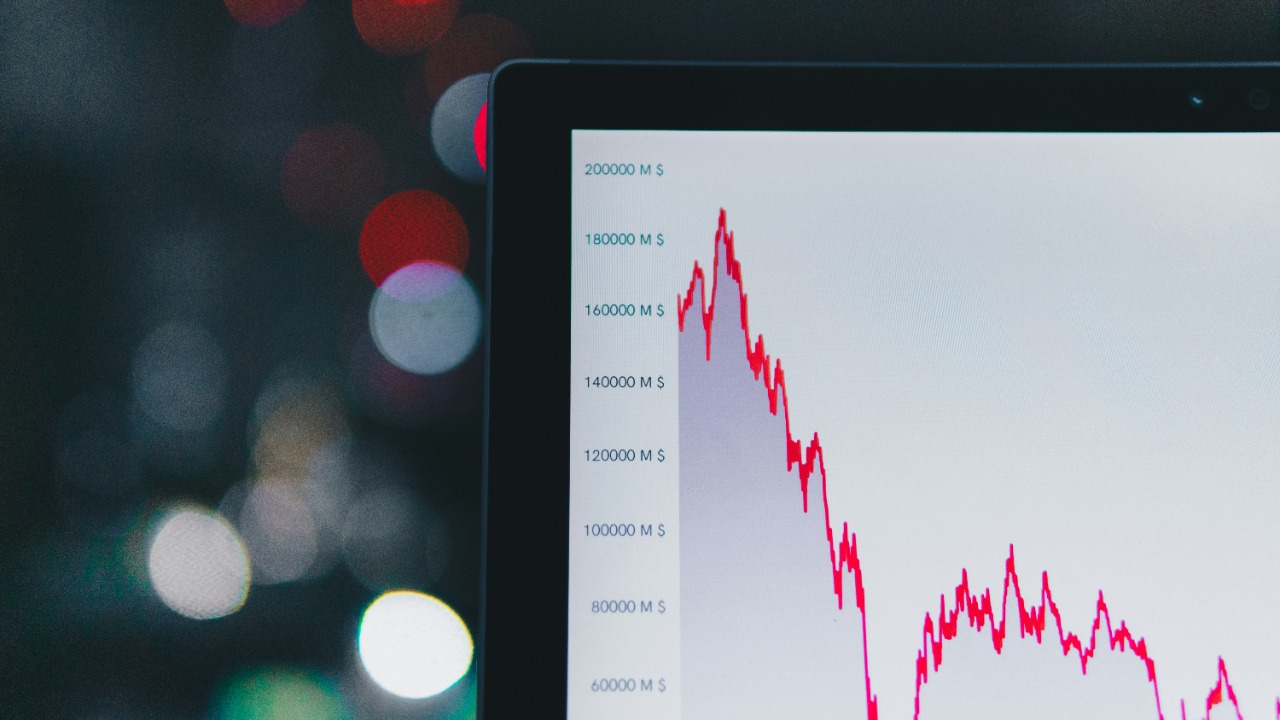
The possibility of a U.S. economic collapse raises concerns about immediate ripple effects on global trade and finance. Structural vulnerabilities within the American economy, as analyzed in a Modern Diplomacy article, could serve as catalysts for such a collapse. These vulnerabilities include high levels of national debt and potential over-reliance on consumer spending, which could lead to a domino effect impacting international markets.
President Trump’s policy decisions, particularly his aggressive implementation of tariffs, could exacerbate economic instability in the U.S. The SP500, a key indicator of market reactions, has shown sensitivity to these policy shifts. As noted in the Seeking Alpha report, these tariffs could lead to increased market volatility, further destabilizing the economy.
External factors, such as oil market dynamics, also play a crucial role in exacerbating U.S. vulnerabilities. The concept of the “China Put,” as described in a Bloomberg opinion piece, highlights how China’s interventions in the oil markets could either stabilize or disrupt global economic conditions, thereby influencing the U.S. economy.
Impact of US Tariffs on Global Trade
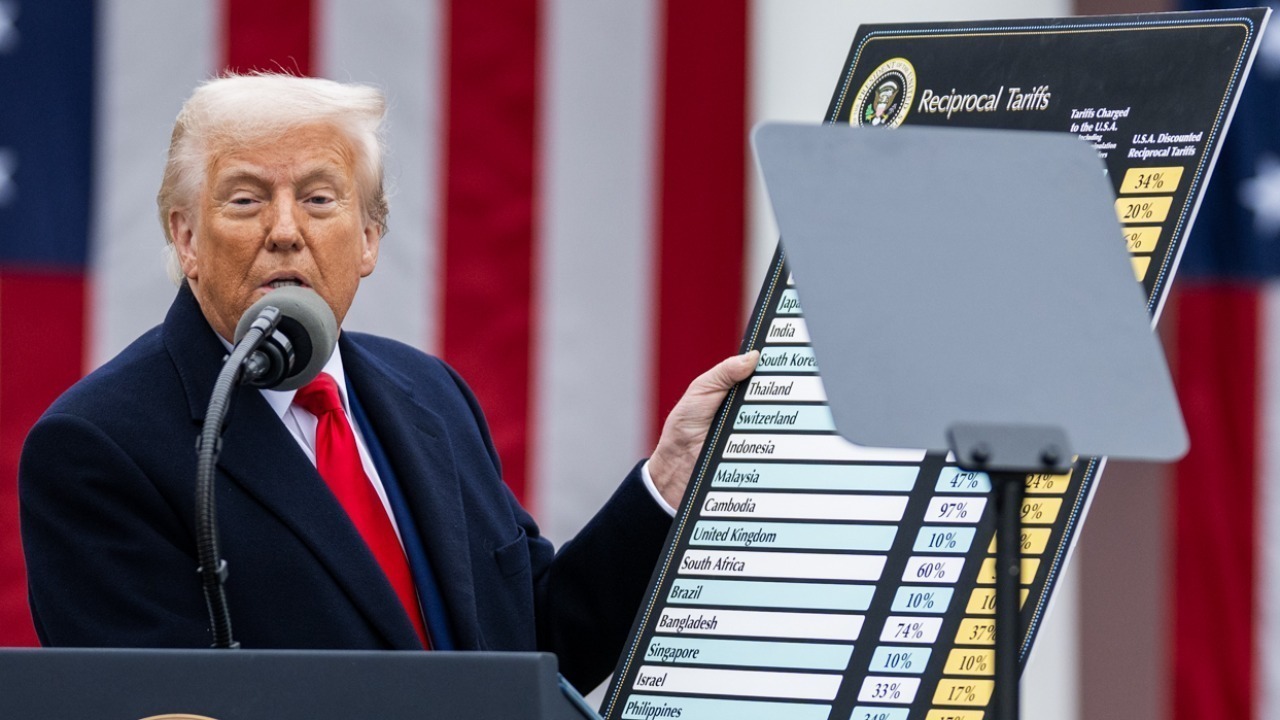
The introduction of new U.S. tariffs poses a significant threat to global trade by disrupting supply chains and inflating costs worldwide. The Seeking Alpha report emphasizes the potential for these tariffs to cause widespread economic disruption, with the SP500 reflecting these concerns through fluctuating market values.
President Trump’s tariff policies are seen as a strategic move to reshape the global economy. However, these policies have prompted retaliatory measures from trading partners, as reported by the BBC. Such retaliations could lead to a trade war, further destabilizing international economic relations and potentially contributing to a U.S. economic collapse.
The broader implications of these tariffs extend to international alliances and economic blocs. The potential for a U.S. collapse, as outlined in the Modern Diplomacy article, could lead to a reconfiguration of global economic power structures, with countries seeking new alliances to mitigate the impact of U.S. economic policies.
Trump’s Trade Policies and World Reshaping
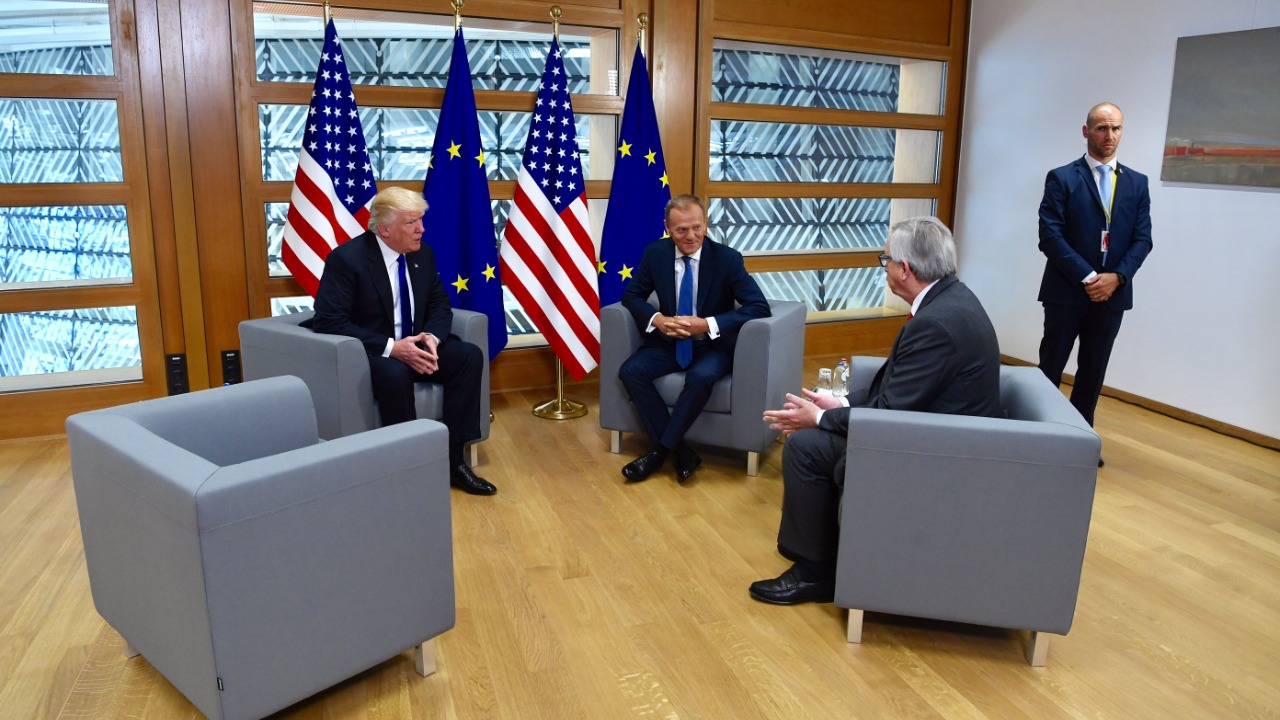
President Trump is poised to reshape the global economy through unilateral trade actions. The BBC highlights how these actions could redefine international trade norms, potentially leading to new economic alliances and power shifts.
The potential outcomes of Trump’s trade deals are significant, with the capacity to alter geopolitical balances. An analysis by the Financial Times questions the long-term impacts of these deals, suggesting they could lead to a realignment of global economic priorities and partnerships.
Connections between Trump’s policies and a broader U.S. economic collapse are evident in shifts in global investment flows. The Modern Diplomacy article discusses how these shifts could destabilize traditional economic powerhouses, leading to a new era of economic uncertainty.
Trump’s trade policies are not only reshaping economic alliances but also challenging existing trade norms. The BBC reports that these policies could lead to a reevaluation of trade agreements that have been in place for decades, potentially resulting in a more fragmented global trade environment. This fragmentation might encourage countries to seek bilateral agreements outside of traditional multilateral frameworks, thereby altering the landscape of international trade.
Furthermore, the Financial Times highlights that Trump’s approach to trade could have long-term implications for global economic governance. By prioritizing national interests over global cooperation, these policies may prompt other nations to adopt similar stances, leading to a shift away from globalization. This shift could result in increased protectionism, affecting global supply chains and economic growth. As countries adjust to these new realities, the balance of economic power may shift, with emerging markets potentially gaining more influence.
China’s Emerging Role in Global Markets
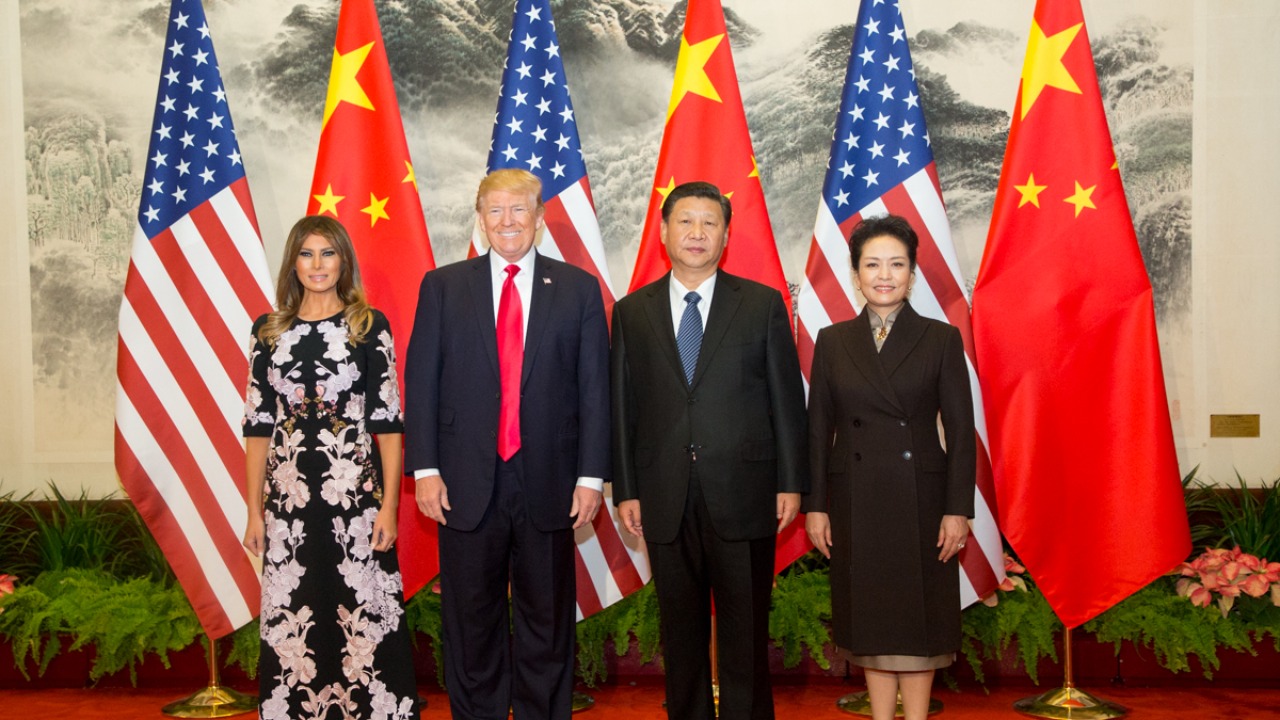
China’s role in global markets is becoming increasingly significant, particularly through mechanisms like the “China Put” in oil markets. As detailed in a Bloomberg opinion piece, China’s state interventions could either stabilize or disrupt global economic conditions, impacting the U.S. economy.
China’s actions in commodity markets could serve as a counterbalance to a potential U.S. collapse. The Seeking Alpha report suggests that China’s responses to U.S. tariffs could redefine global economic power dynamics, potentially leading to a shift in global economic leadership.
Intersections with Trump’s trade deals are also crucial, as China’s responses might redefine global economic power dynamics. The Financial Times analysis highlights how these interactions could lead to a new era of economic alliances, with China potentially emerging as a dominant global economic force.

Grant Mercer covers market dynamics, business trends, and the economic forces driving growth across industries. His analysis connects macro movements with real-world implications for investors, entrepreneurs, and professionals. Through his work at The Daily Overview, Grant helps readers understand how markets function and where opportunities may emerge.

