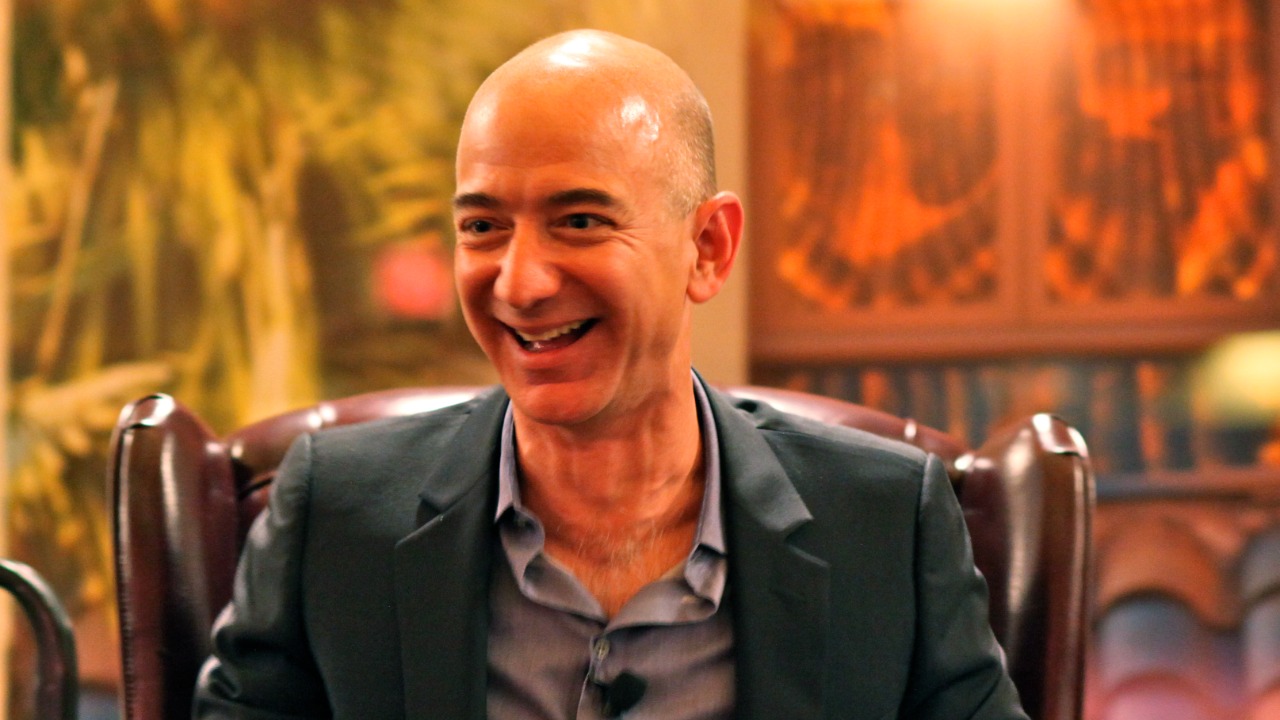
Jeff Bezos, the founder of Amazon, stands among the wealthiest individuals in the world, with a net worth of approximately $233 billion. His immense wealth often sparks curiosity about the extent of his spending power. One intriguing question is whether Bezos could feasibly purchase every house on your block and what such an acquisition would entail.
The Financial Power of Jeff Bezos

Jeff Bezos’ financial influence is immense. With a net worth of $233 billion, he ranks among the top billionaires globally, standing shoulder to shoulder with the likes of Elon Musk and Bernard Arnault. His portfolio extends well beyond his ownership in Amazon, encompassing a wide range of investments and assets. Bezos’ wealth is so vast that it raises the question of whether he could single-handedly purchase significant portions of real estate, like entire neighborhoods.
In terms of real estate, Bezos has already made substantial investments. He owns a remarkable portfolio, including properties in New York, Washington D.C., Los Angeles, and other high-profile locations. His purchasing habits reflect a strategic approach, focusing on high-value, often historic properties. However, even with such wealth, Bezos would still face limitations on buying capabilities. Legal regulations and financial logistics could present significant hurdles, even for someone of his financial stature.
Real Estate Market Dynamics

The current housing market is characterized by fluctuating prices and varying demand, which could affect the feasibility of buying entire neighborhoods. Housing costs have been on the rise, driven by factors such as low inventory and high demand. This trend means that acquiring a substantial number of homes would require not only immense funds but also strategic timing. Moreover, the housing market is subject to local variations, with prices differing significantly across regions.
Local real estate dynamics play a critical role in such an endeavor. While Jeff Bezos might easily acquire properties in less expensive areas, purchasing homes in affluent neighborhoods could prove more challenging. The role of property values and taxes cannot be ignored either. Taxes on such a large acquisition would be substantial, and managing the properties’ valuations could add another layer of complexity to the process.
Logistical and Legal Challenges

Beyond financial considerations, purchasing an entire block would entail navigating logistical and legal challenges. Zoning laws and regulations are significant factors that could impede large-scale acquisitions. Local governments often enforce zoning laws that restrict the types of properties that can be built or purchased in a given area, potentially limiting Bezos’ ability to buy residential properties in bulk.
Community pushback is another potential obstacle. Residents might resist the idea of a single owner acquiring all homes in their neighborhood, fearing changes to the community dynamic or potential increases in property taxes. Furthermore, managing such a large number of residential properties would present its own set of challenges, requiring a team to handle maintenance, leasing, and tenant relations.
Socioeconomic Implications

Buying every house on a block could have profound effects on local communities. Such a move could alter community dynamics, as property values and local economies might shift dramatically. The potential for increased rents or shifts in the demographic composition could lead to socioeconomic tensions. Additionally, the concentration of property ownership in the hands of a single individual could affect the broader housing market, influencing supply, demand, and affordability.
These actions also raise ethical questions. What does it mean for one individual to hold such substantial influence over residential areas? Ethical considerations must be taken into account, as the implications of such acquisitions extend beyond financial capabilities and into societal impact.
Case Studies of Large-Scale Purchases

Historical examples of large-scale real estate acquisitions provide valuable insights. Wealthy individuals have previously attempted to consolidate property ownership, with varying degrees of success. These past endeavors highlight the challenges and opportunities that come with such significant investments. Bezos himself has demonstrated a keen eye for real estate investment, with a strategy that focuses on high-value properties in strategic locations.
Comparisons with other billionaires offer a perspective on Bezos’ purchasing power. While he stands among the financial elite, other billionaires have also made notable real estate acquisitions. Understanding how Bezos’ wealth compares to his peers sheds light on the potential scope of his influence in the real estate market. Ultimately, while Bezos has the financial capability to make substantial purchases, the practical realities of the market and societal implications present significant considerations.
Elias Broderick specializes in residential and commercial real estate, with a focus on market cycles, property fundamentals, and investment strategy. His writing translates complex housing and development trends into clear insights for both new and experienced investors. At The Daily Overview, Elias explores how real estate fits into long-term wealth planning.