
The juxtaposition of luxury cars and widespread poverty presents a fascinating paradox: how can such opulence coexist with dire need? This exploration delves into whether the luxury car industry, through its economic ripple effects, could potentially contribute to alleviating global poverty.
The Luxury Car Market and Its Economic Impact

The luxury car industry is a substantial driver of the global economy. With a market size valued in the hundreds of billions of dollars, it contributes significantly to the GDP of several countries. The production and sale of luxury cars create numerous jobs, from manufacturing to retail, providing livelihoods for countless individuals. Furthermore, the sector stimulates economic growth by fostering a network of suppliers and service providers.
Innovation is another area where the luxury car market excels. The demand for high-end features and cutting-edge technology in luxury vehicles often drives technological advancements that eventually trickle down to more affordable vehicles. This innovation not only enhances the driving experience but can also lead to improvements in fuel efficiency and safety, benefiting society as a whole.
Luxury Cars as Symbols of Wealth and Inequality
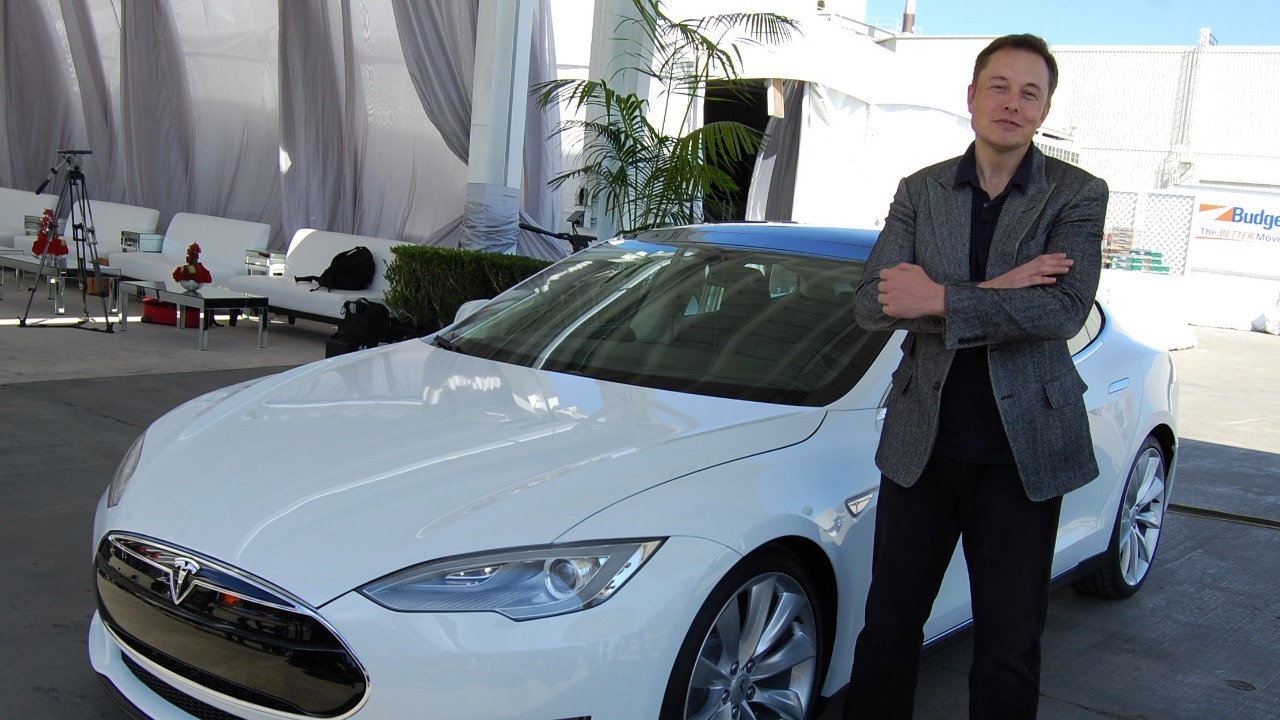
Luxury cars have long been seen as status symbols, representing wealth and success in affluent societies. They often become benchmarks of social standing, influencing how individuals perceive themselves and others. This phenomenon is not only about owning a car but also about displaying one’s ability to afford such opulence, which can have significant psychological effects on social behavior and community dynamics.
However, the ethical implications of luxury consumption cannot be ignored, especially when juxtaposed with global poverty. The debate centers on whether it is justifiable to indulge in luxury goods when so many people lack basic necessities. This raises questions about the moral responsibilities of the wealthy and the role of luxury industries in addressing broader social issues.
Redistribution of Wealth: A Pipe Dream or Possibility?

One might wonder if the profits generated by the luxury car industry could be leveraged to support poverty alleviation. While this idea holds theoretical appeal, practical implementation remains challenging. Corporate social responsibility (CSR) initiatives in the luxury sector vary widely, with some companies making significant contributions to social causes, while others focus primarily on profit maximization.
Examining existing models of wealth redistribution reveals mixed results. Although some initiatives have shown promise, they often depend on voluntary participation and lack the enforcement mechanisms needed for widespread impact. The challenge lies in creating sustainable frameworks that ensure equitable distribution without stifling economic growth or innovation.
The Role of Government and Policy in Bridging the Gap

Government policies play a crucial role in influencing the luxury car market and its potential social impact. Through taxation and regulation, governments can address income inequality and promote more equitable economic outcomes. For example, progressive tax policies on luxury goods can generate revenue for social programs aimed at poverty reduction.
Successful policy interventions often balance the needs of the luxury market with broader social goals. Case studies from countries with effective taxation and redistribution policies provide valuable insights into how governments can foster an environment where luxury and equity can coexist. Such policies can help bridge the gap between opulence and need, promoting a more just society.
Consumer Behavior and the Demand for Luxury
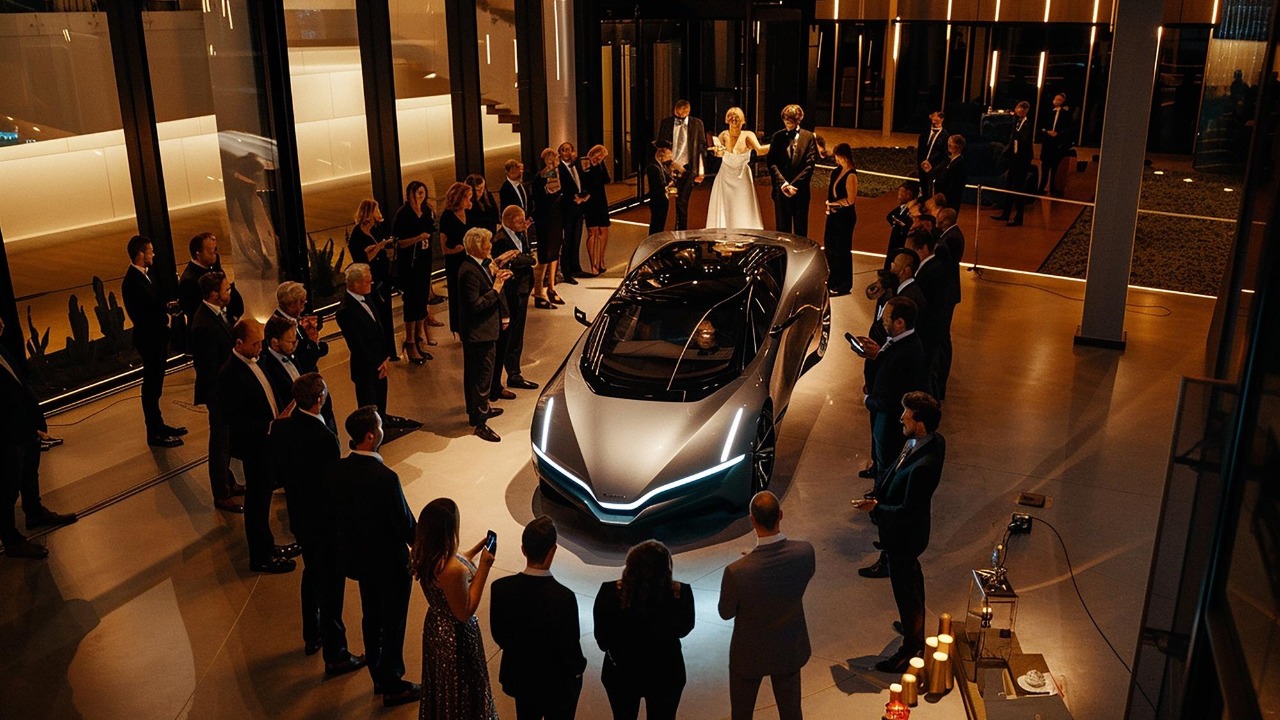
Understanding why individuals purchase luxury cars despite widespread poverty is essential to addressing economic inequality. Factors such as social status, personal satisfaction, and perceived value drive consumer choices. These motivations often outweigh considerations of global inequality, leading to continued demand for luxury goods.
To shift consumer behavior towards more socially responsible purchasing, education and awareness campaigns can highlight the broader impacts of luxury consumption. Encouraging consumers to consider ethical and sustainable options can influence market trends, potentially leading to a more balanced distribution of resources and opportunities.
The Future of Luxury Cars in a World Striving for Equality
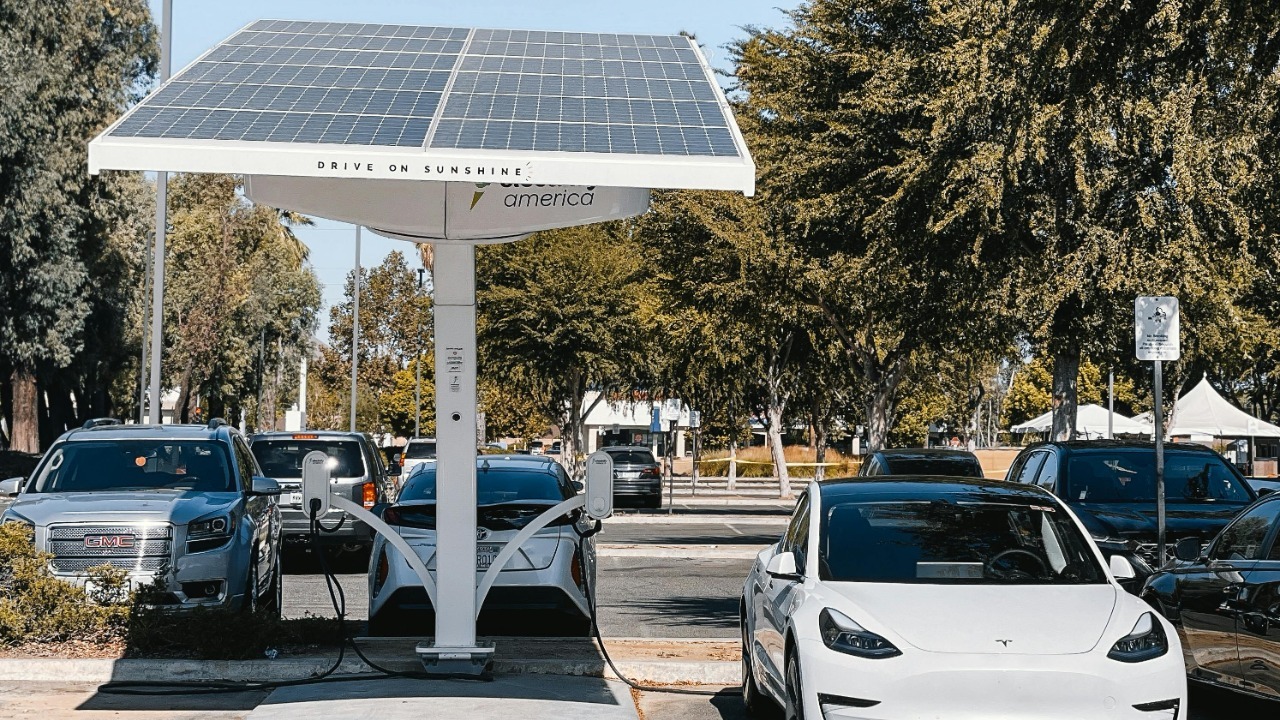
As social awareness grows, the luxury car market may evolve to reflect changing consumer priorities. Innovations in sustainability and social responsibility could redefine what it means to own a luxury car, focusing on environmentally friendly technologies and ethical production practices. Envisioning a future where luxury and equity coexist requires collaboration between industry leaders, policymakers, and consumers. By fostering a culture of responsibility and innovation, the luxury car industry can play a role in creating a more equitable world, where opulence and need are not mutually exclusive but part of a harmonious balance.

Grant Mercer covers market dynamics, business trends, and the economic forces driving growth across industries. His analysis connects macro movements with real-world implications for investors, entrepreneurs, and professionals. Through his work at The Daily Overview, Grant helps readers understand how markets function and where opportunities may emerge.

