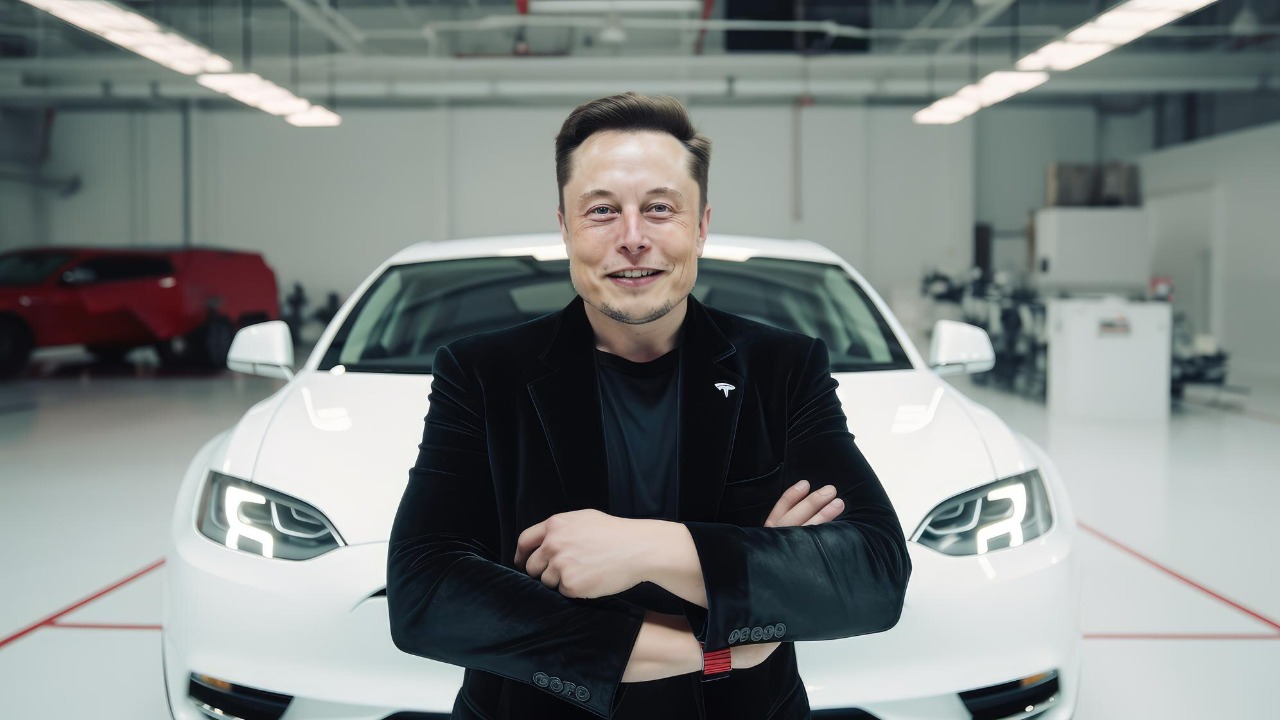
In a world of stark financial contrasts, the comparison between the average person’s rent and a billionaire’s car payment highlights the vast economic divide. This comparison reflects broader societal issues, as it underscores the significant differences and underlying factors contributing to this financial dichotomy. Let’s explore how these two seemingly unrelated expenses mirror the complexities of wealth disparity.
The Financial Landscape of Rent Payments

Average Rent Costs Across Regions
Rent prices vary significantly depending on location. In urban areas, particularly in high-cost cities like New York and San Francisco, monthly rent can easily surpass $3,000 for a modest apartment. Conversely, rural areas and smaller towns often offer more affordable housing options, with rent prices sometimes less than half of those in major metropolitan areas. This variation is influenced by factors such as demand, property availability, and local economic conditions.
Impact on Personal Finances
For many individuals, rent constitutes a significant portion of their monthly expenses. It’s not uncommon for people to allocate 30% or more of their income to housing costs, which can severely impact their ability to save or invest in other areas. This financial pressure often leads to a cycle of living paycheck to paycheck, exacerbating economic vulnerability and limiting opportunities for upward mobility.
Trends in Rental Markets
Recent trends in the rental market reveal a complex picture. The effects of inflation and housing shortages have driven rent prices up, particularly in areas with booming job markets. This surge in rental costs is compounded by stagnant wages, making it increasingly difficult for average earners to afford housing without financial strain.
The Luxury Car Market and Billionaire Spending

Understanding Billionaire Spending Habits
Billionaires often invest in high-end cars for a variety of reasons. Luxury vehicles serve as status symbols, reflecting their financial success and personal taste. Additionally, some luxury cars are viewed as investments, potentially appreciating in value over time, especially limited edition or rare models.
Typical Luxury Car Payments
Monthly payments for luxury vehicles can range significantly, often equaling or surpassing the average rent in many cities. For instance, a high-end car like a Lamborghini or a Rolls-Royce might have a monthly payment of several thousand dollars. This stark contrast highlights the economic divide between ordinary individuals and the ultra-wealthy.
Financing Versus Cash Purchases
While some billionaires choose to finance their luxury cars, others prefer to pay in cash, avoiding interest payments and emphasizing financial flexibility. According to discussions on platforms like Quora, the decision often hinges on personal financial strategy and liquidity preferences.
Economic Disparities Highlighted by Spending Choices

Wealth Gap and Lifestyle Differences
The disparity in spending on necessities versus luxuries underscores the broader wealth gap in society. While average earners prioritize essentials like housing and food, billionaires indulge in luxuries, reflecting vast differences in lifestyle and financial priorities.
Psychological Impact of Financial Disparities
Financial disparities can have profound psychological effects. Many individuals experience stress and anxiety when comparing their financial situations to that of the ultra-wealthy. This often leads to a sense of inadequacy and frustration, further exacerbated by the constant exposure to luxury lifestyles on social media and other platforms.
Social Implications of Wealth Disparity
The social dynamics influenced by wealth disparity are complex. Economic differences contribute to societal divisions, often shaping public perceptions of wealth and success. These perceptions can foster resentment and lead to calls for social and economic reforms aimed at reducing inequality.
Factors Contributing to Wealth Inequality

Income Distribution and Economic Policies
Income distribution and government policies play a crucial role in the widening wealth gap. Tax structures that favor the wealthy, alongside inadequate social safety nets, exacerbate economic inequality. Discussions about economic policies often center around finding a balance that promotes fairness and opportunity for all.
Role of Investments and Assets
The accumulation of investments and assets is a primary driver of financial growth for the wealthy. By investing in stocks, real estate, and other appreciating assets, the affluent can significantly increase their wealth, often at a much faster rate than those with fewer resources.
Impact of Education and Opportunity
Access to education and career opportunities plays a critical role in financial success. Individuals with higher education levels and access to lucrative career paths are more likely to accumulate wealth, perpetuating cycles of economic advantage and disadvantage.
Addressing the Wealth Divide
Policy Solutions and Economic Reforms
Addressing economic inequality requires comprehensive policy solutions, such as tax reforms and increased access to affordable housing. By implementing policies that promote equitable wealth distribution, governments can work towards reducing the wealth gap and fostering economic stability.
Community and Grassroots Initiatives
Successful community initiatives and grassroots movements are instrumental in bridging the wealth gap. These efforts often focus on localized solutions, such as education programs and job training, empowering individuals to improve their economic situations.
Encouraging Financial Literacy
Financial education is crucial in empowering individuals to manage their finances effectively. By promoting financial literacy, communities can equip individuals with the tools they need to achieve economic stability and work towards a more equitable society. Resources like financial planning workshops and online courses are invaluable in this endeavor.

Cole Whitaker focuses on the fundamentals of money management, helping readers make smarter decisions around income, spending, saving, and long-term financial stability. His writing emphasizes clarity, discipline, and practical systems that work in real life. At The Daily Overview, Cole breaks down personal finance topics into straightforward guidance readers can apply immediately.
