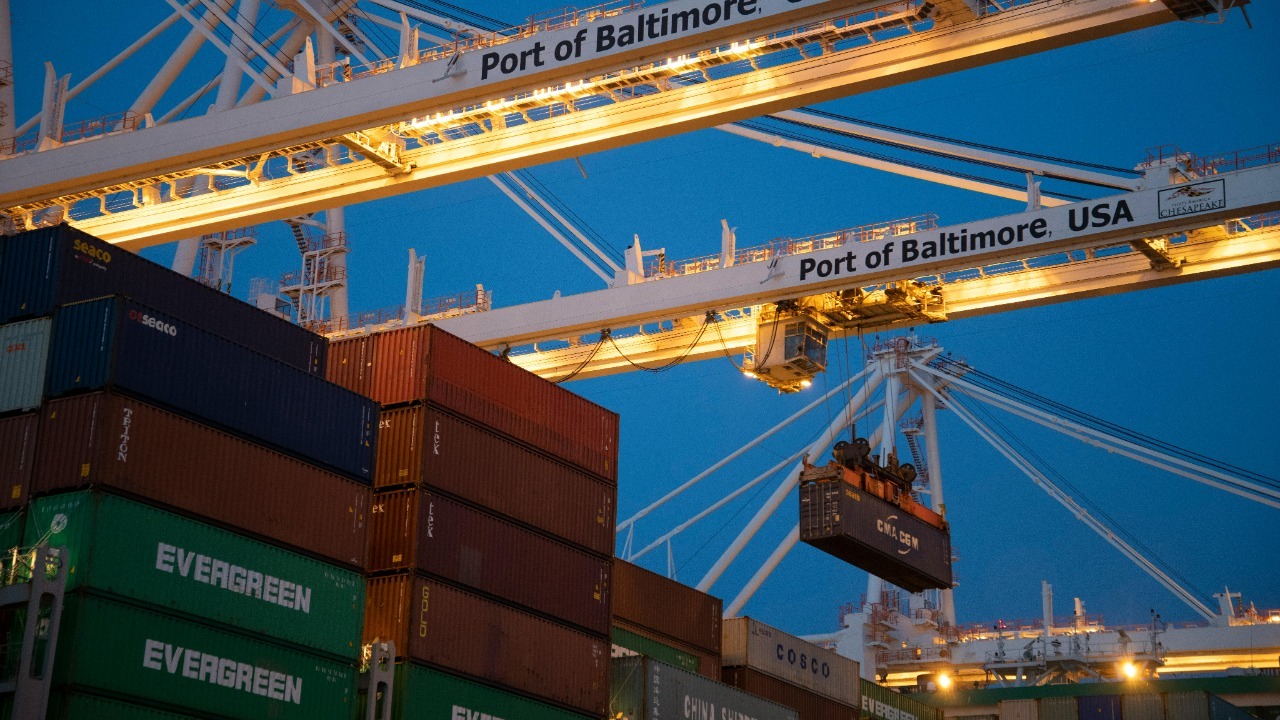
The implementation of tariffs has historically been a controversial economic strategy, particularly when considering the potential for triggering severe economic downturns. Contemporary tariff policies prompt questions about the risks of a crisis reminiscent of the Great Depression. By examining historical precedents and current economic indicators, we can assess the potential for a tariff-induced economic collapse.
Historical Context of Tariffs and Economic Crises

The Great Depression, a period marked by widespread economic hardship, was influenced by multiple factors, including the Smoot-Hawley Tariff Act of 1930. This legislation raised U.S. tariffs on over 20,000 imported goods, aiming to protect American industries. However, rather than fostering domestic economic growth, these protectionist measures led to retaliatory tariffs from other nations, which severely hampered international trade and worsened the global economic climate.
Protectionist policies like the Smoot-Hawley Tariff Act have long been debated for their role in economic downturns. By exacerbating already declining economic conditions in the 1930s, these tariffs underscore the potential risks of similar measures today. History offers other examples where tariffs contributed to economic instability, such as the economic downturns in the late 19th century. Comparing these historical contexts with the present-day economic environment allows us to evaluate whether current tariff policies might yield similar outcomes.
Current Tariff Policies and Their Economic Impact
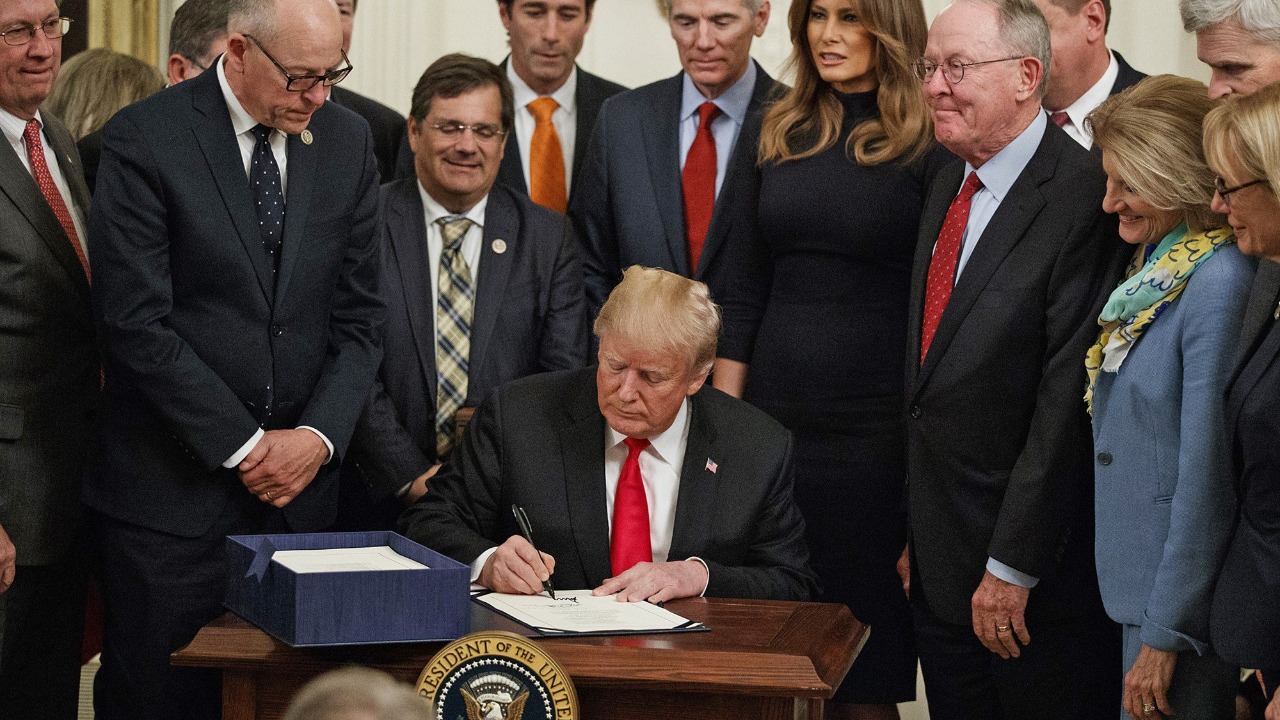
Recent years have seen significant tariff implementations by major economies, notably the United States under the Trump administration. These policies, often targeting imports from China, have reshaped global trade relations and sparked concerns about potential retaliation. The impact on international trade dynamics is complex, as nations respond with countermeasures that can spiral into trade wars, further straining economic ties globally.
Analyzing current economic indicators provides insight into the impact of these tariffs. While some argue that tariffs protect domestic jobs, others point to rising costs for consumers and potential decreases in GDP growth. Unemployment rates and consumer confidence are key metrics to watch, as they reflect the broader economic health. Experts remain divided on the long-term effects of sustained tariff policies, with some warning of economic contractions, while others suggest these policies could lead to necessary market corrections.
The Role of Globalization and Modern Economic Structures
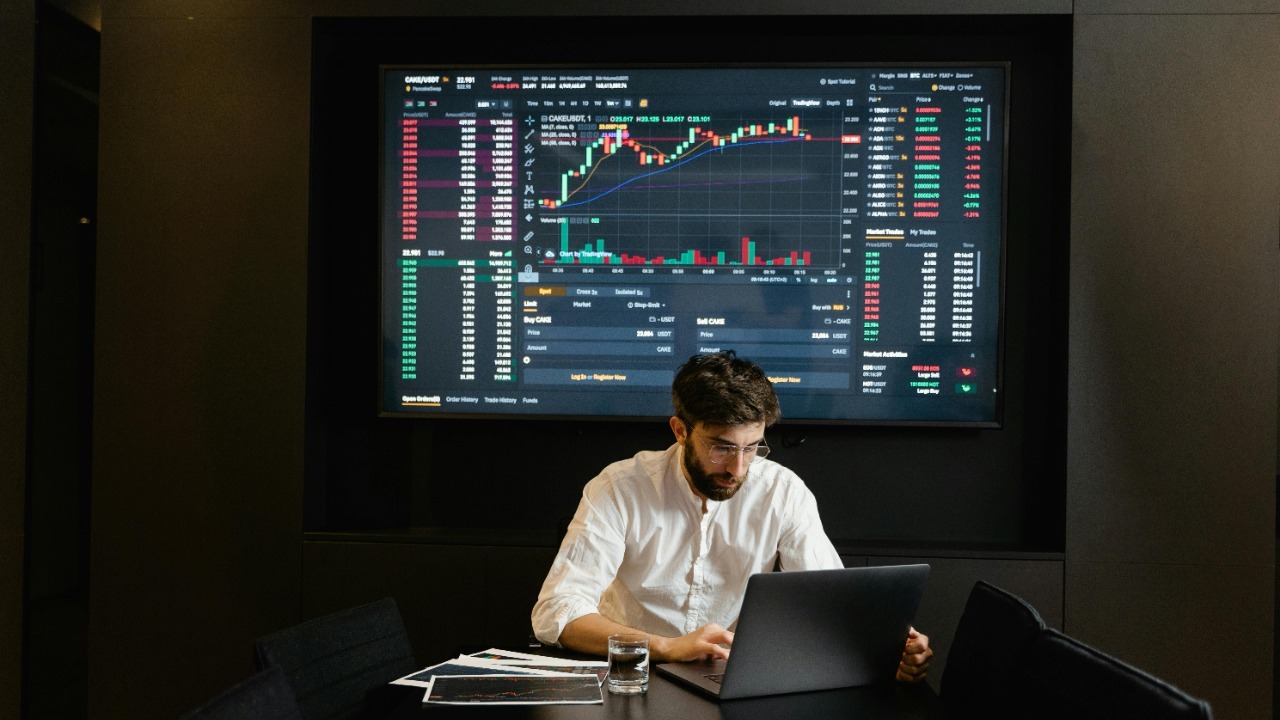
Today’s economies are vastly different from those of the 1930s, largely due to globalization. The interconnectedness of modern economies, with intricate supply chains and multinational corporations, can both mitigate and exacerbate the impact of tariffs. While tariffs may disrupt supply chains, the global reach and adaptability of companies today offer a buffer against the kind of collapse seen during the Great Depression.
Technological advancements further differentiate the present economic landscape. The rise of digital economies and innovation-driven growth provides resilience that was absent in the past. As companies leverage technology to adapt to changing trade policies, the potential for severe economic downturns may be alleviated. However, this reliance on technology also introduces new vulnerabilities that could be exploited in a highly protectionist trade environment.
Potential Outcomes and Future Outlook
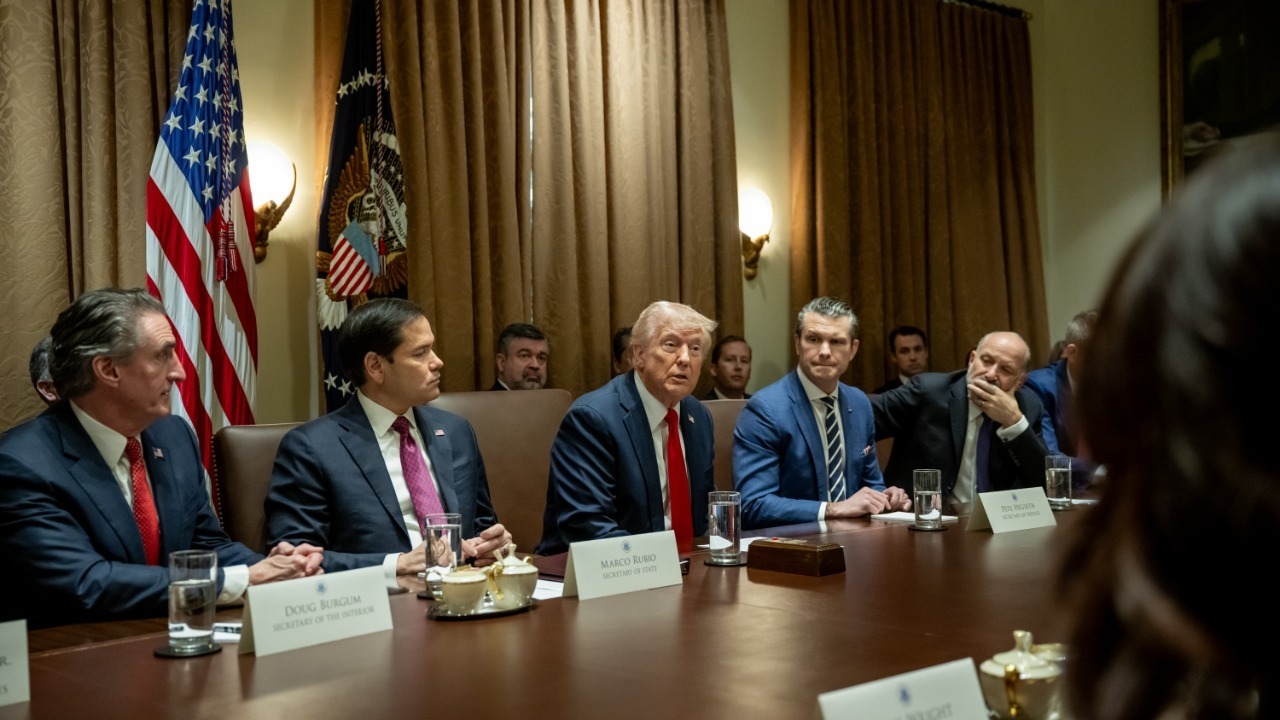
The potential outcomes of current tariff policies range from minor economic adjustments to severe recessions akin to the Great Depression. In a best-case scenario, tariffs could lead to more balanced trade practices and stimulate domestic industries. However, the worst-case scenario involves prolonged trade wars, decreased international cooperation, and significant economic downturns.
To prevent a tariff-induced economic crisis, strategic policy measures are essential. This includes fostering international cooperation and negotiating trade agreements that stabilize global markets. Policymakers must weigh the benefits of protective tariffs against the risks of economic isolation and potential market disruptions. International cooperation and dialogue remain critical in navigating these complex economic landscapes.
Ultimately, understanding the historical context of tariffs and leveraging modern economic structures can help policymakers design strategies that minimize risks. By drawing lessons from history and adapting to the current global environment, the potential for a Great Depression-style crash can be mitigated, ensuring economic stability and growth for future generations.

Grant Mercer covers market dynamics, business trends, and the economic forces driving growth across industries. His analysis connects macro movements with real-world implications for investors, entrepreneurs, and professionals. Through his work at The Daily Overview, Grant helps readers understand how markets function and where opportunities may emerge.

