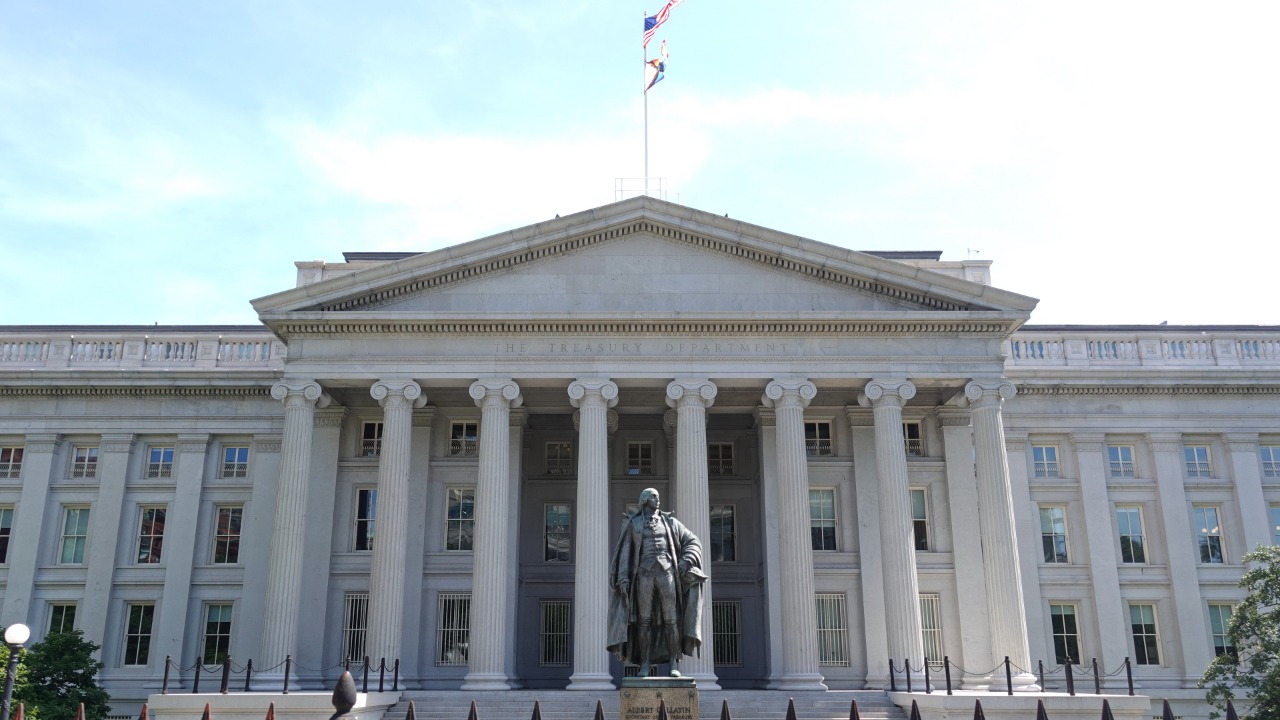
The United States has hit a financial milestone, with the national debt reaching a staggering $37 trillion, according to a recent report from the Treasury Department. This new record has sparked widespread concern among economists and policymakers, as they assess the long-term implications for the nation’s fiscal health.
The Current State of the National Debt

The recent surge in the national debt is a culmination of several factors that have contributed to its rapid increase. Over the past decade, the US has seen a steady rise in debt levels, driven by various spending programs and economic policies. The COVID-19 pandemic further exacerbated this trend as the government rolled out massive relief packages to support the economy, which significantly increased borrowing. The timeline of reaching this financial peak can largely be attributed to these factors, coupled with ongoing military and healthcare expenditures.
Government spending and borrowing have played pivotal roles in accelerating debt growth. Federal spending policies, including stimulus measures and tax cuts, have necessitated increased borrowing to bridge the gap between revenue and expenditure. The result has been a ballooning deficit, which has added to the overall national debt. When compared to past debt levels, this $37 trillion figure is unprecedented, far surpassing the debt levels seen during the financial crisis of 2008 or the dot-com bubble of the early 2000s. It reflects a combination of evolving economic conditions and policy decisions over several administrations.
Economic Implications and Risks

The swelling national debt is not just a number; it has significant implications for the economy. One of the primary concerns is its potential impact on interest rates and inflation. As the government borrows more, it could lead to higher interest rates, which would increase the cost of borrowing for businesses and consumers. This, in turn, could slow economic growth and lead to higher inflation rates. The domestic economy may feel the pinch as borrowing costs rise, while the global economy could also experience repercussions due to the interconnected nature of global finance.
Maintaining such high levels of debt poses various risks to economic stability. There is the looming danger of a fiscal crisis if the debt becomes unsustainable. High debt levels can lead to reduced investor confidence, making it more difficult for the government to secure favorable borrowing terms in the future. Moreover, the burden of this debt may fall on future generations, potentially impacting government services and investments in public infrastructure. The long-term consequences could include reduced fiscal flexibility, which may hinder the government’s ability to respond to future economic challenges.
Political and Policy Responses

The national debt issue is a hot topic in the political arena, with various legislative measures and debates currently underway. Lawmakers are grappling with how to address the debt crisis, with proposals ranging from spending cuts to tax reforms. The political discourse surrounding the national debt is intense, as policymakers seek solutions that balance fiscal responsibility with economic growth. There is a recognition that addressing the debt will require difficult decisions and a willingness to compromise across party lines.
Partisan perspectives play a significant role in shaping the debate. While some advocate for reducing spending and implementing austerity measures, others call for targeted tax increases to boost revenue. These differing ideologies often lead to conflicts and gridlock, making it challenging to reach a consensus on effective solutions. However, there are areas of agreement, such as the need to address the long-term sustainability of entitlement programs and reform tax codes to close loopholes. The Treasury Department and Federal Reserve also play crucial roles in managing and mitigating the debt situation, implementing monetary policies to stabilize the economy and maintain investor confidence.
Public Perception and Reaction

The record national debt level has garnered significant media coverage, with various outlets highlighting the urgency of the situation. Public opinion is divided, with some expressing concern over the potential economic repercussions, while others remain optimistic about the government’s ability to manage the debt. The portrayal of the debt issue in the media is often influenced by political biases, which can shape public perception and understanding. Social media platforms also play a role in disseminating information and fostering discussions on the topic.
Economic literacy among the general public varies, impacting how citizens perceive and react to national debt issues. While some individuals are well-informed and actively engage in discussions, others may lack a comprehensive understanding of economic concepts. This underscores the importance of economic education in fostering informed citizenry. Grassroots movements and advocacy efforts have emerged, aiming to raise awareness and promote fiscal responsibility. These initiatives often focus on encouraging government accountability and transparency in fiscal policies, as well as advocating for reforms that address the root causes of the debt crisis.
Global Context and Comparisons

In a global context, the US national debt is substantial, but it is not an isolated phenomenon. Many major economies also grapple with high levels of debt. Comparing the US debt with that of other countries highlights its position in the global financial landscape. For instance, countries like Japan and Italy have faced similar challenges with high debt-to-GDP ratios. The experiences of these nations offer valuable lessons for the United States as it seeks to address its own debt situation.
Lessons from other countries demonstrate the importance of implementing sustainable fiscal policies and maintaining a balance between spending and revenue. Some nations have successfully managed high debt levels by adopting structural reforms and prioritizing economic growth. Additionally, the US national debt has implications for international relations, influencing its economic and diplomatic relationships with other countries. As a key player in the global economy, the US must navigate the complexities of debt management while maintaining its influence and credibility on the world stage. The ongoing discussions and policy decisions will shape the future trajectory of the national debt and its impact on both domestic and international fronts.

Grant Mercer covers market dynamics, business trends, and the economic forces driving growth across industries. His analysis connects macro movements with real-world implications for investors, entrepreneurs, and professionals. Through his work at The Daily Overview, Grant helps readers understand how markets function and where opportunities may emerge.

