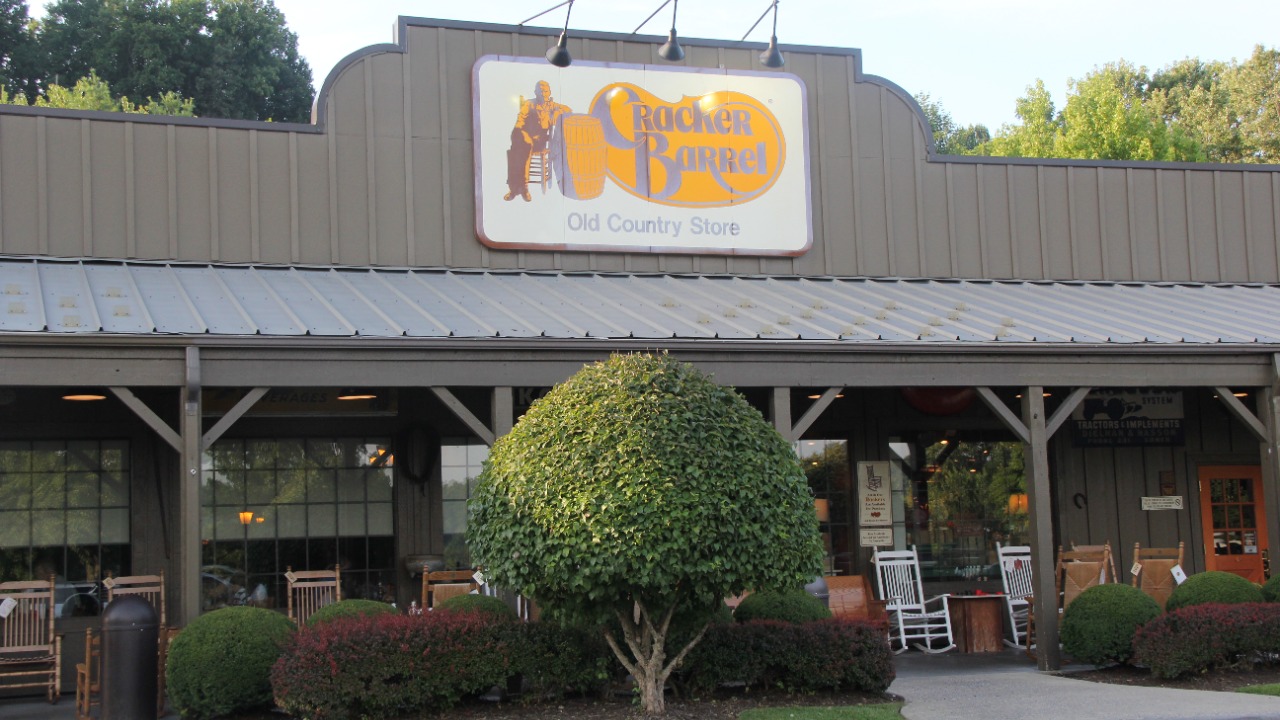
Cracker Barrel’s former chief executive says she lost her job not just in a boardroom, but in the court of public opinion, after a sweeping redesign collided with a conservative customer base that saw the changes as an attack on tradition. Her claim that she was effectively “fired by America” captures a broader clash between corporate rebranding and cultural identity that now shapes how legacy chains navigate everything from décor to diversity.
At the center of the fallout is a familiar story with unusually sharp edges: a heritage restaurant brand tried to modernize, misread the emotional stakes for its most loyal guests, and then watched a backlash feed into financial pain, leadership turnover, and a high-profile mea culpa about what went wrong.
How a heritage brand tried to modernize its image
Cracker Barrel’s redesign push grew out of a strategic belief that the chain could not rely forever on nostalgia, rocking chairs, and country-store kitsch to attract younger diners. The company’s leadership framed the refresh as an evolution rather than a break, updating menus, experimenting with new store formats, and testing visual changes that were meant to feel lighter and more contemporary while still nodding to the brand’s Southern roadside roots. That effort included initiatives such as adding beer and wine in select locations, expanding digital ordering, and rethinking how the retail area and dining room flowed together to appeal to families who were as comfortable with DoorDash as with road-trip pit stops, according to the company’s own strategy updates.
Executives argued that the refresh was necessary to compete with chains that had already modernized their look and operations, pointing to traffic softness among younger demographics and the need to grow off-premise sales. In investor presentations, Cracker Barrel highlighted initiatives like new store prototypes, menu innovation, and technology upgrades as pillars of a “brand relevance” strategy, while also acknowledging that its core guests skewed older and more rural than the industry average. The redesign push was pitched as a way to protect that base while reaching new customers, a balancing act that would later prove far more fragile than the PowerPoint slides suggested, as reflected in subsequent earnings commentary.
The CEO’s claim she was ‘fired by America’
When the redesign collided with a wave of criticism, the former CEO framed her exit in unusually blunt terms, saying she felt she had been “fired by America” rather than simply replaced by a board seeking a new direction. In her telling, the backlash to Cracker Barrel’s changes was so intense and so culturally charged that it effectively stripped her of the public legitimacy needed to lead a brand built on comfort and familiarity. That phrase captured a sense that the company’s most vocal customers were not just unhappy with specific decisions, but were rejecting the broader vision of what Cracker Barrel should become, a dynamic she later described in interviews about the company’s leadership transition.
Her characterization also underscored how consumer sentiment now functions as a kind of rolling referendum on corporate leaders, especially at brands that trade heavily on cultural symbolism. In the wake of disappointing traffic trends and social media outrage over perceived departures from tradition, the board moved to install new leadership and recalibrate the strategy, a shift detailed in the company’s executive change filings. By casting her ouster as a verdict delivered by the public, the former CEO effectively acknowledged that, for a chain like Cracker Barrel, brand stewardship is inseparable from cultural politics, and that misjudging that terrain can be career-ending.
What the redesign actually changed inside Cracker Barrel
Behind the rhetoric, the redesign itself was a mix of operational tweaks and visible shifts that regulars noticed as soon as they walked in the door. Cracker Barrel tested new color palettes, streamlined some of the dense antique décor, and experimented with updated signage and merchandising layouts that gave more prominence to seasonal products and branded items. On the menu side, the chain layered in items aimed at broader tastes and dayparts, such as new breakfast combinations, lighter options, and expanded beverage offerings, while also promoting digital ordering and curbside pickup as permanent fixtures rather than pandemic-era stopgaps, according to the company’s menu and prototype briefings.
Some of the most controversial changes were subtle in design terms but loud in symbolic impact. The introduction of alcoholic beverages in more locations, for example, was framed internally as a way to boost check averages and align with casual-dining norms, yet it clashed with the image many guests held of Cracker Barrel as a family-friendly, church-after-service destination. Likewise, efforts to declutter walls and retail shelves were meant to make stores feel less like museums and more like modern roadside hubs, but for longtime patrons those artifacts were part of the emotional glue that made the chain feel distinct. The company’s own prototype descriptions acknowledged that the new look was a departure, even as executives insisted the core brand story remained intact.
How loyal customers reacted to the new look and feel
The reaction from Cracker Barrel’s most loyal customers quickly revealed how tightly they linked the brand’s aesthetics to their own sense of comfort and identity. Regulars who had long treated the chain as a ritual stop on road trips or a weekly gathering place complained that the updated décor felt generic, more like any other casual-dining concept than the idiosyncratic country store they remembered. Social media posts and local news segments amplified stories of guests who said they felt “pushed out” by changes that, in their view, catered to a different, more urban or coastal clientele, a sentiment that showed up in customer commentary tracked in the company’s brand perception reviews.
That emotional backlash mattered because Cracker Barrel’s business model depends heavily on repeat visits from older, often conservative diners who see the chain as a refuge from rapid cultural change. When those guests interpreted the redesign as a signal that the company was embarrassed by its own roots, the criticism quickly moved from décor preferences to accusations that leadership was abandoning “real America.” Internal surveys cited in investor discussions showed softness in traffic among core demographics at the same time that the company was trying to grow new segments, a tension that executives acknowledged in earnings calls as they fielded questions about whether the refresh had gone too far for the existing base.
Financial fallout and the board’s appetite for change
The cultural blowback would have been easier to weather if the numbers had moved decisively in the right direction, but Cracker Barrel’s financial performance during the redesign period gave critics more ammunition. Same-store traffic lagged expectations, and while some initiatives boosted off-premise sales and check averages, overall comparable-restaurant metrics remained under pressure, as detailed in the company’s quarterly results. Rising labor and commodity costs further squeezed margins, leaving the board to weigh whether the brand refresh was delivering enough upside to justify the risk of alienating core guests.
As those pressures mounted, the board’s tolerance for a long runway narrowed. Analysts pressed executives on calls about the pace of traffic recovery and the return on investment from remodels and menu changes, while activist investors began to question whether leadership had misread the brand’s positioning. The eventual decision to change CEOs, outlined in governance filings, reflected a judgment that the strategy needed a reset, not just incremental tweaks. In that context, the former CEO’s line about being “fired by America” can also be read as shorthand for being fired by a board that saw public sentiment and financial trends moving in the wrong direction at the same time.
Culture-war flashpoints and the ‘go woke, go broke’ narrative
Cracker Barrel’s redesign did not unfold in a vacuum; it landed in the middle of a broader culture-war environment where restaurant chains and consumer brands are routinely cast as symbols in ideological battles. As the company experimented with updated imagery and more inclusive marketing, critics on the right folded those moves into a familiar “go woke, go broke” storyline that has dogged companies from Bud Light to Target. Social media campaigns urged boycotts and accused Cracker Barrel of turning its back on traditional values, even when specific complaints were loosely connected to the actual operational changes described in the company’s own strategy materials.
For a brand that had previously been criticized from the opposite direction, including past scrutiny over workplace policies and representation, the new wave of outrage highlighted how difficult it is to navigate a polarized marketplace. Efforts to broaden appeal or update imagery were interpreted by some as political statements rather than business decisions, and the resulting noise made it harder for Cracker Barrel to control its own narrative. The former CEO’s sense of being judged by “America” reflects that reality: in an era when a menu tweak or décor shift can be framed as a cultural betrayal, leaders at legacy brands are effectively campaigning for legitimacy every day, a dynamic that surfaced repeatedly in investor Q&A sessions.
How the company is now walking back parts of the redesign
In the wake of the backlash and leadership change, Cracker Barrel has begun to quietly recalibrate, signaling that some elements of the redesign will be softened or reversed. Executives have emphasized a renewed focus on the chain’s “heritage” and “hospitality” in recent presentations, promising to preserve the look and feel that long-time guests associate with comfort and familiarity. That includes commitments to keep signature décor elements, protect core menu items, and ensure that any new prototypes still read instantly as Cracker Barrel, according to updated brand positioning decks.
At the same time, the company is not abandoning modernization altogether. Technology upgrades, kitchen efficiencies, and selective menu innovation remain part of the plan, but executives now frame those moves as “behind the scenes” improvements rather than front-of-house statements. The message to investors and guests alike is that Cracker Barrel heard the criticism and will be more cautious about visible changes that touch the brand’s emotional core. That shift is evident in more recent earnings commentary, where leaders stress continuity and reassurance as much as growth and innovation.
What the episode reveals about ‘heritage’ chains in a polarized era
For me, the Cracker Barrel saga underscores how fragile the social contract is between heritage chains and the communities that claim them as cultural touchstones. Brands built on nostalgia are not just selling food or merchandise; they are selling a story about who their customers are and what comforts they deserve in a world that feels unstable. When leaders adjust that story too abruptly, even with solid business logic, they risk triggering a sense of dispossession that can be far more damaging than a single quarter’s traffic decline, a pattern that shows up across the company’s recent performance summaries.
The former CEO’s claim that she was “fired by America” is dramatic, but it captures a real shift in power dynamics between consumers and corporate leadership. In a polarized era, customers are quick to organize around perceived slights, and boards are increasingly sensitive to reputational risk layered on top of financial pressure. For legacy brands, the lesson is not to freeze in place, but to treat modernization as a deeply consultative process that respects the emotional equity built up over decades. Cracker Barrel’s experience, documented in its own strategic updates, shows how costly it can be when that balance slips.
The road ahead for Cracker Barrel and its next generation of leaders
Looking forward, Cracker Barrel’s challenge is to prove that it can stabilize its core business while still adapting to shifting demographics and dining habits. The new leadership team inherits a brand that remains widely recognized and emotionally resonant, but also one that has been reminded, in painful fashion, of how quickly goodwill can erode when guests feel unheard. Their task is to rebuild trust with long-time customers, reassure investors about the growth path, and design changes that feel additive rather than subtractive, a balancing act laid out in the company’s latest long-term outlook.
For the broader restaurant industry, the episode will likely serve as a case study in how not to communicate a brand refresh at a culturally loaded chain. I see it as a reminder that data-driven strategies must be paired with a granular understanding of how customers interpret symbolism, from wall art to menu language. Cracker Barrel’s next chapter will hinge on whether its leaders can translate that hard-earned lesson into a more nuanced approach, one that honors the past without being trapped by it, and that pursues modernization without inviting another verdict from “America” that the brand has lost its way, a risk the company itself acknowledges in its risk disclosures.
More From TheDailyOverview
- Dave Ramsey warns to stop 401(k) contributions
- 11 night jobs you can do from home (not exciting but steady)
- Small U.S. cities ready to boom next
- 19 things boomers should never sell no matter what

Grant Mercer covers market dynamics, business trends, and the economic forces driving growth across industries. His analysis connects macro movements with real-world implications for investors, entrepreneurs, and professionals. Through his work at The Daily Overview, Grant helps readers understand how markets function and where opportunities may emerge.