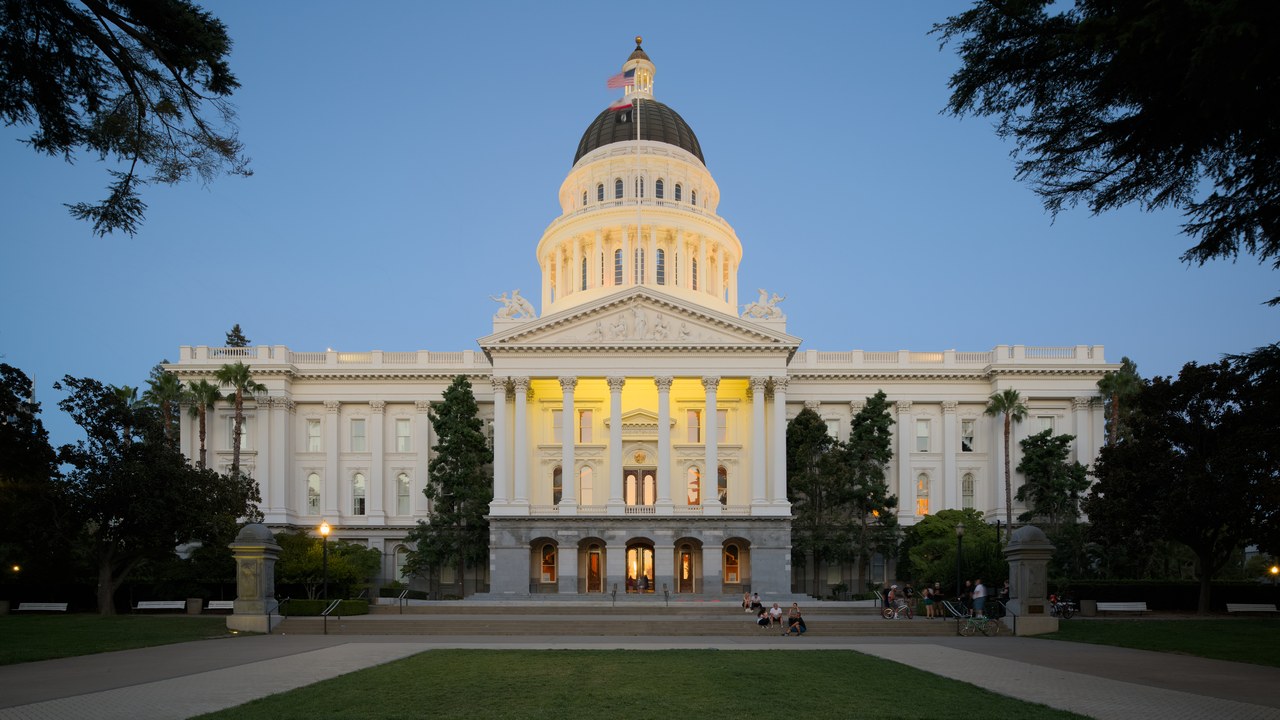
California’s housing crisis has intensified under Gov. Gavin Newsom as the state struggles to keep pace with soaring demand, rising rents and deepening homelessness in its largest cities. On 2025-11-29, California officials warned that Trump funding cuts could deepen the homelessness crisis, highlighting a new federal threat to ongoing state efforts and signaling a shift from prior focuses on local policies. That warning underscored the urgency of potential resource losses just as shelter needs are rising and existing programs are already stretched.
Historical Context of the Housing Shortage
When Gov. Gavin Newsom took office in 2019, California already faced a severe housing deficit, and the gap has widened as population and job growth outpaced construction in the years that followed. Urban centers like Los Angeles and San Francisco saw persistent high costs that pushed rents and home prices far beyond wage growth, which in turn drove up evictions and forced more low income tenants into overcrowded units or informal arrangements. Those pressures did not emerge overnight, but under Newsom’s administration they hardened into a structural shortage that left the state acutely vulnerable to any economic shock or policy setback. For tenants on the edge of displacement, each missed paycheck or rent hike translated directly into a higher risk of homelessness, and local safety nets struggled to absorb the fallout.
State initiatives launched in the early 2020s, including zoning reforms that aimed to add affordable units in single family neighborhoods and near transit corridors, were designed to chip away at that deficit but fell short of their targets. Local resistance from city councils, neighborhood groups and some county governments slowed implementation, as communities fought higher density projects and used procedural tools to delay approvals. Even where reforms passed, developers often faced lengthy permitting timelines and litigation risk that made projects financially uncertain. Against that backdrop, pre 2025 trends showed a 20% increase in unsheltered homelessness from 2022 levels, a jump that signaled how far demand for shelter and supportive housing had outstripped the available supply. That rise in people living in tents, vehicles and makeshift encampments set the stage for the current vulnerabilities that state officials now describe as a full scale humanitarian challenge rather than a cyclical downturn.
Newsom’s Policy Responses to Date
In response to mounting displacement, Newsom backed key 2023 and 2024 legislation that directed billions of dollars to emergency rental assistance, aiming to keep tenants housed while longer term construction ramped up. Those programs temporarily stabilized some families by covering arrears, preventing immediate evictions and giving renters time to negotiate payment plans with landlords. The funding also helped local governments expand rapid rehousing and legal aid, which reduced the number of people entering shelters directly from eviction court. For households that received help, the assistance often meant the difference between staying in their apartments and moving into cars or encampments, and advocates credited the money with slowing what could have been an even sharper spike in homelessness.
The governor also pushed in 2024 for streamlined permitting processes that sought to cut through local red tape and accelerate multifamily and supportive housing projects. That effort produced some measurable results, including a modest uptick in housing starts in 2024 as developers took advantage of faster approvals and clearer timelines. At the same time, the streamlined rules faced lawsuits from environmental groups that argued the changes weakened review standards and threatened sensitive habitats, creating new legal uncertainty for projects that relied on the reforms. Even with the acceleration, overall supply remained 3.5 million units below demand, a shortfall that left the state far from its own production goals and limited the impact of any single policy tweak. For residents confronting rent hikes and overcrowded shelters, the incremental gains in construction have not yet translated into broad relief.
Emerging Federal Influences on State Efforts
The warning issued on 2025-11-29 by California officials about potential Trump funding cuts that could deepen the homelessness crisis marked a sharp escalation in the stakes for Newsom’s housing agenda. State leaders said the proposed reductions would target programs like HUD grants that have underpinned shelter operations, permanent supportive housing and outreach services in cities across California. That prospect represented a clear departure from Biden era support, when federal dollars expanded rental vouchers and emergency housing resources during the pandemic and its aftermath. By flagging the risk publicly, California officials signaled that the state could soon be forced to backfill federal gaps or accept a contraction in services just as unsheltered homelessness has been rising.
According to the warning, the contemplated cuts could slash federal aid by up to 30%, directly impacting homelessness initiatives in counties such as Sacramento that rely heavily on HUD and related streams to fund shelters and navigation centers. Local leaders in those areas already report that existing beds are full and that outreach teams are stretched thin, so any reduction in federal support would likely translate into fewer placements and longer waits for people seeking help. Compared with previous federal dynamics, where 2024 funding provided a buffer that allowed California to expand motel conversions and interim housing, the post election environment now points toward a potential reversal of that progress. For Newsom, the shift means that state level reforms and spending may no longer be enough to offset external shocks, and the margin for error in his housing strategy has narrowed considerably.
Impacts on Key Stakeholders
The prospect of reduced federal support lands hardest on low income residents who already face limited options in California’s tight housing market. Projections tied to the funding scenarios suggest that as many as 10,000 additional homeless individuals could appear in major cities if the cuts materialize, a surge that would worsen encampment issues along freeways, riverbanks and downtown corridors. For people living paycheck to paycheck, the loss of rental assistance, shelter beds or supportive services would remove critical lifelines that currently prevent a slide into chronic homelessness. The human stakes are particularly acute for seniors, people with disabilities and families with children, who often require more intensive support to regain stable housing once they lose it.
Local governments are also bracing for strain, as cities like San Diego report already overburdened shelters facing budget shortfalls even before any federal reductions take effect. Municipal leaders must balance rising public pressure to clear encampments with legal obligations to provide adequate shelter, a tension that becomes harder to manage when resources shrink. Business groups have joined the chorus of concern, pointing to how housing instability has contributed to a 15% workforce participation drop in affected regions since 2023, as workers leave high cost areas or struggle with transportation and childcare disruptions linked to unstable housing. For employers trying to recruit and retain staff in sectors from hospitality to tech, the combination of high rents and growing visible homelessness has become both an economic and reputational challenge.
Pathways Forward Amid Uncertainty
Facing the dual pressures of a long running housing deficit and the new federal threat, Newsom has begun outlining potential countermeasures that rely more heavily on state and local tools. Among the options are alternative state funding sources that he announced in late 2024, which were designed to offset possible federal losses by dedicating additional general fund dollars and bond proceeds to homelessness and affordable housing programs. Those resources could help sustain key initiatives if HUD grants are reduced, but they would also compete with other priorities in a budget that must cover education, healthcare and climate resilience. The tradeoffs highlight how deeply intertwined housing policy has become with the broader fiscal health of the state, and how difficult it will be to maintain current service levels without federal partnership.
Advocates and some local officials are calling for bipartisan federal intervention that would shield core homelessness programs from partisan budget fights, a stance that contrasts with the deepening divide signaled by the 2025-11-29 California warning. They argue that stable funding is essential for long term planning, since supportive housing projects and service contracts often span several years and cannot easily adjust to sudden cuts. In the short term, observers expect to see accelerated local bond measures in 2025 as cities and counties seek voter approval to finance new housing and shelter capacity under ongoing Newsom leadership. Those measures could provide targeted relief in specific regions, but they also depend on public willingness to shoulder higher taxes in an environment where frustration over visible homelessness is rising. For residents, the coming months will test whether state and local leaders can translate policy blueprints into tangible improvements before the crisis deepens further.
More From TheDailyOverview
- Dave Ramsey warns to stop 401(k) contributions
- 11 night jobs you can do from home (not exciting but steady)
- Small U.S. cities ready to boom next
- 19 things boomers should never sell no matter what

Elias Broderick specializes in residential and commercial real estate, with a focus on market cycles, property fundamentals, and investment strategy. His writing translates complex housing and development trends into clear insights for both new and experienced investors. At The Daily Overview, Elias explores how real estate fits into long-term wealth planning.