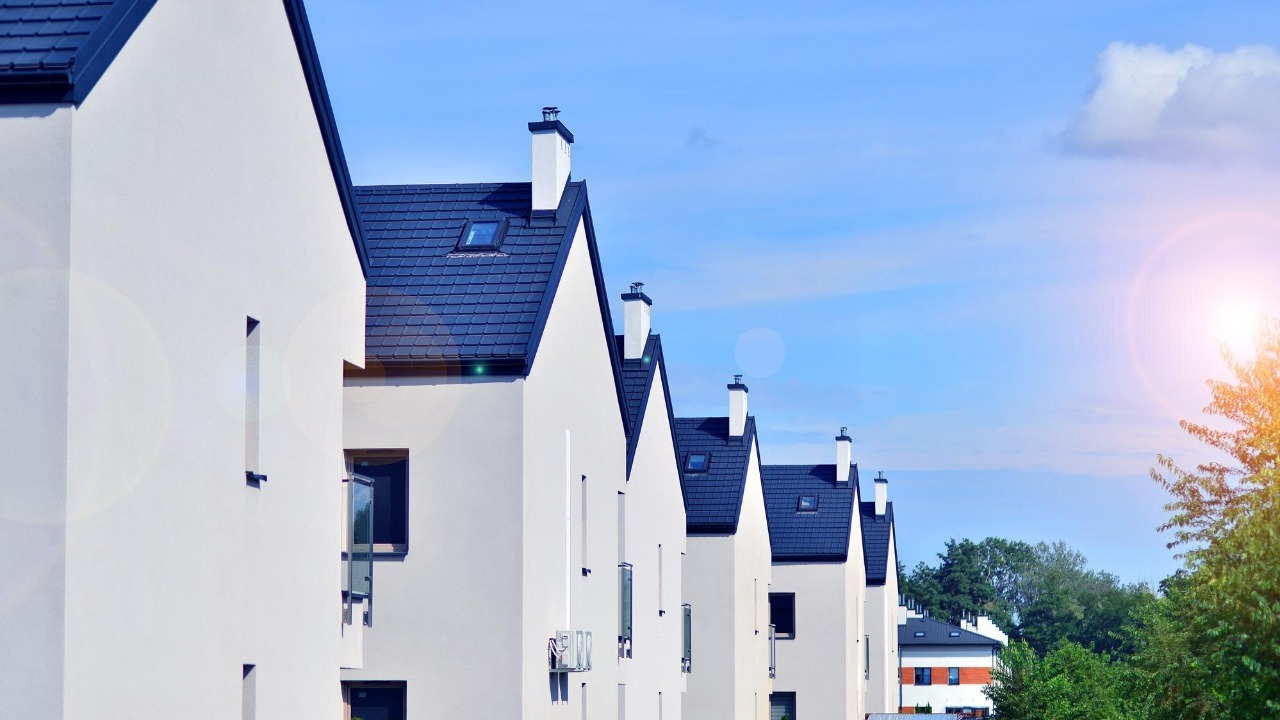
The luxury housing market, once considered unstoppable, is showing signs of vulnerability as recent trends indicate a slowdown. This shift is particularly evident in key markets, where the once feverish demand for high-end properties is beginning to wane. Analysts are noting significant shifts in buyer behavior and market dynamics, suggesting that the sector may face challenges ahead. The Wall Street Journal reports that these changes are reshaping the landscape of luxury real estate.
Shifts in Buyer Behavior

Analysts are observing a notable change in buyer preferences within the luxury real estate market. There is a growing trend of caution among buyers, who are now more discerning in their purchases. This shift is attributed to a reassessment of priorities, where the demand for opulent amenities and expansive properties is being reconsidered. Buyers are increasingly prioritizing factors such as location, sustainability, and long-term value over sheer opulence. This change in behavior is indicative of a broader trend where luxury is being redefined beyond traditional markers of wealth.
As buyers exercise more caution, the market is witnessing a recalibration of what constitutes value in luxury real estate. The emphasis is shifting towards properties that offer a balance of luxury and practicality. This trend is reshaping the market dynamics, as developers and sellers adapt to meet the evolving expectations of a more discerning clientele. The impact of these changes is significant, as it suggests a potential realignment of the luxury housing market’s trajectory.
Market Dynamics and Economic Factors

Economic uncertainties are playing a crucial role in the slowing momentum of the luxury housing market. Rising interest rates have made luxury properties less accessible to some buyers, directly impacting overall sales. This economic backdrop is causing potential buyers to reassess their financial commitments, leading to a more cautious approach in high-end real estate investments. The ripple effect of these economic factors is evident in the market’s current state, where the once robust demand is now tempered by financial prudence.
The interplay between economic conditions and market dynamics is creating a complex environment for luxury real estate. As interest rates continue to rise, the affordability of luxury properties is being challenged, prompting a reevaluation of investment strategies among buyers. This shift is not only affecting individual purchasing decisions but also influencing broader market trends, as stakeholders navigate the evolving economic landscape.
Regional Disparities

Certain regions, once booming with luxury real estate sales, are now witnessing a dip in property value appreciation. This trend highlights the regional disparities within the luxury housing market, where variations in local economies and job markets are influencing sector performance differently across major metropolitan areas. The impact of these regional differences is significant, as it underscores the importance of localized market conditions in shaping the trajectory of luxury real estate.
In some areas, the slowdown is more pronounced, reflecting the unique economic challenges and opportunities present in those regions. These disparities are prompting stakeholders to adopt a more nuanced approach to market analysis, taking into account the specific factors driving demand and value in different locales. As the market continues to evolve, understanding these regional dynamics will be crucial for navigating the complexities of the luxury housing sector.
Future Projections
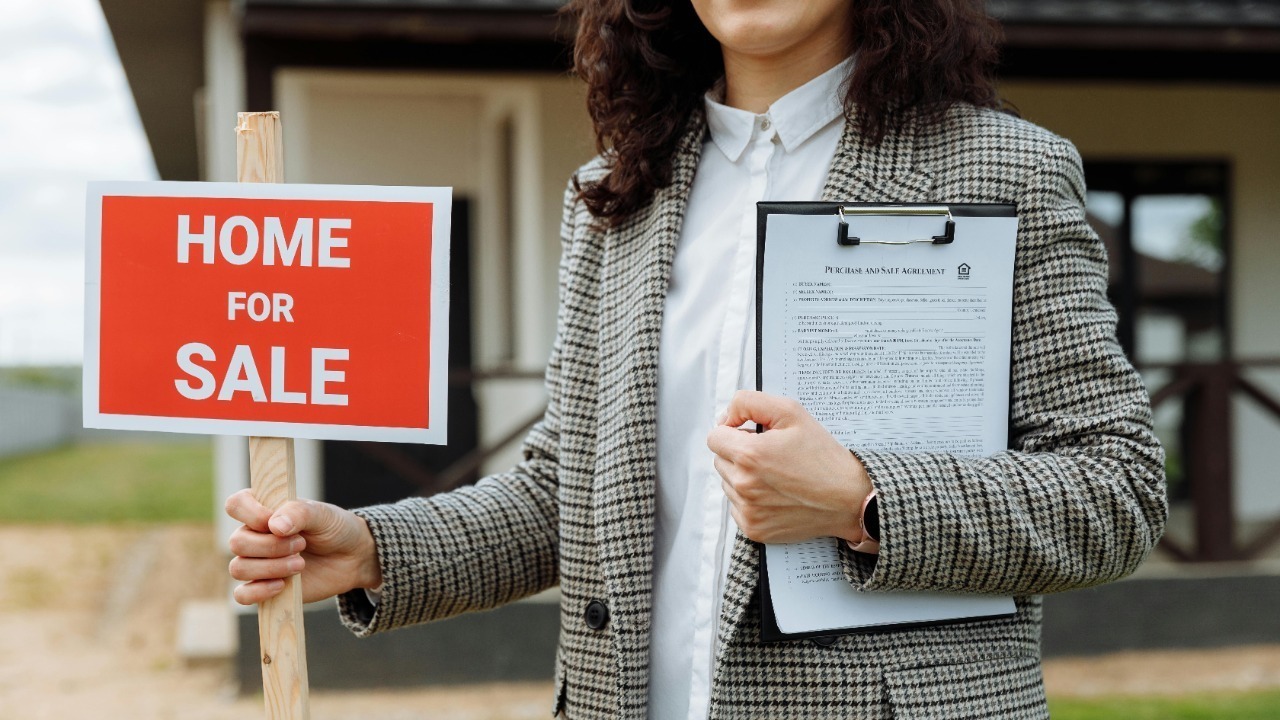
Industry experts are recalibrating their forecasts for the luxury real estate market in the coming years. The potential for a market correction looms as analysts continue to monitor economic indicators and buyer sentiment. This cautious outlook reflects the uncertainty surrounding the market’s future trajectory, as stakeholders grapple with the implications of current trends and economic conditions.
The evolving landscape of luxury real estate is prompting a reevaluation of long-term strategies among industry players. As experts assess the potential for market corrections, there is a growing emphasis on adaptability and resilience in the face of changing market dynamics. This forward-looking approach is essential for navigating the challenges and opportunities that lie ahead in the luxury housing market.
One of the key factors influencing future projections is the global economic climate, which remains uncertain. According to The Wall Street Journal, geopolitical tensions and fluctuating currency values are adding layers of complexity to the market. These factors are likely to influence buyer confidence and investment strategies, potentially leading to more conservative approaches in luxury real estate acquisitions. As a result, market participants are advised to remain vigilant and adaptable to these external pressures.
Furthermore, technological advancements and sustainability trends are expected to play a pivotal role in shaping the future of luxury real estate. Innovations in smart home technology and eco-friendly building practices are becoming increasingly important to buyers, who are seeking properties that align with modern values and lifestyles. This shift towards sustainable luxury is anticipated to drive new developments and renovations, offering opportunities for growth in an otherwise cautious market. As these trends gain momentum, the luxury housing market may see a transformation that prioritizes environmental responsibility alongside traditional luxury elements.

Elias Broderick specializes in residential and commercial real estate, with a focus on market cycles, property fundamentals, and investment strategy. His writing translates complex housing and development trends into clear insights for both new and experienced investors. At The Daily Overview, Elias explores how real estate fits into long-term wealth planning.

