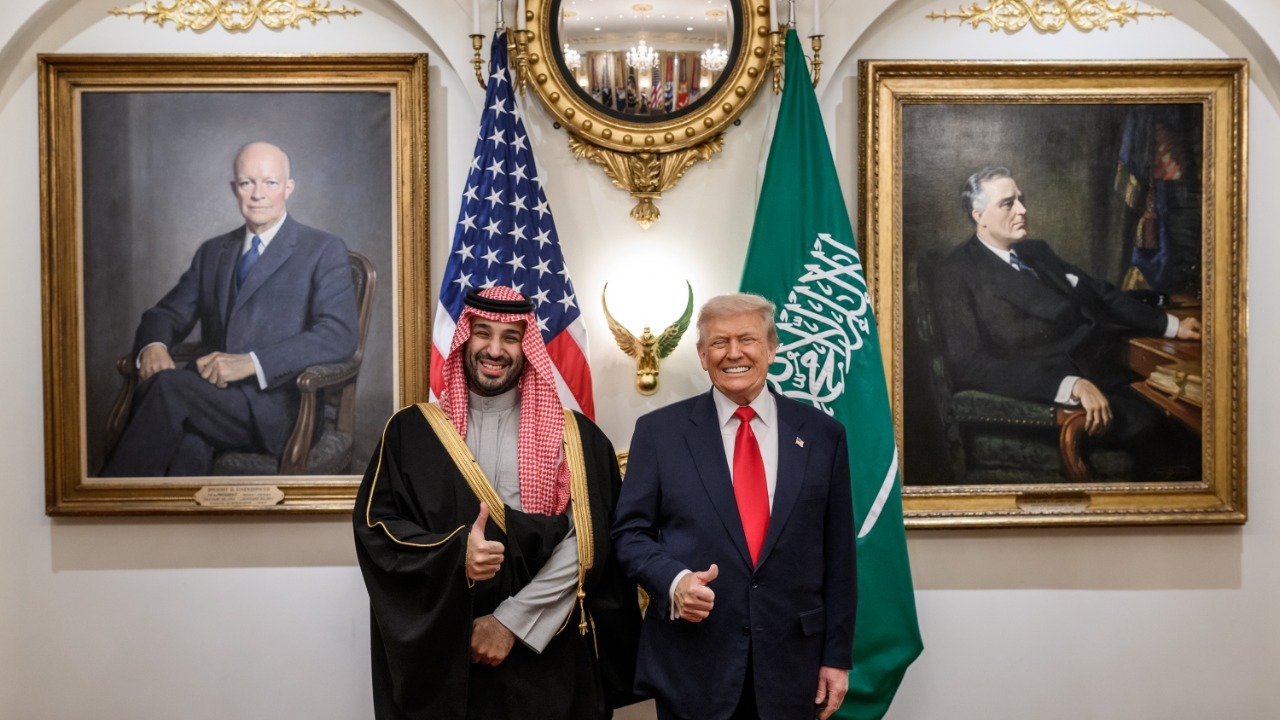
The Saudi crown prince capped his swing through the United States with a flurry of investment announcements that underscored how central Washington remains to his economic and security ambitions. I see the trip’s closing stretch less as a ceremonial farewell and more as a carefully staged finale, designed to lock in big-ticket deals while signaling that Riyadh intends to be a pivotal player in energy, technology, and defense for years to come.
By the time his plane left American soil, the heir to the Saudi throne had lined up agreements that touched everything from artificial intelligence and electric vehicles to arms purchases and sports, knitting together a network of U.S. partners that extends well beyond traditional oil diplomacy. The message was clear: the kingdom’s transformation project depends on American capital and know‑how, and it is willing to spend heavily to secure both.
Deal blitz as a statement of intent
The closing days of the tour were choreographed to showcase scale, with Saudi entities unveiling multibillion‑dollar commitments that framed the crown prince as a dealmaker rather than a supplicant. I read that sequencing as deliberate, turning the end of the visit into a crescendo of announcements that reinforced his pitch that Saudi Arabia is no longer just an oil exporter but a diversified investment hub. The agreements spanned sectors that are central to his domestic Vision 2030 agenda, including advanced manufacturing, clean energy, and digital infrastructure, and they were structured to anchor long‑term partnerships rather than one‑off contracts, according to tour briefings.
Several of the largest packages paired Saudi sovereign wealth with U.S. corporate expertise, effectively outsourcing parts of the kingdom’s modernization drive to American boardrooms. In one cluster of deals, the Public Investment Fund committed capital to U.S. technology and infrastructure platforms while inviting those firms to expand operations in Saudi industrial zones, a model that appeared repeatedly in the trip’s closing communiqués as described in investment summaries. By concentrating these signings at the end of the itinerary, the crown prince left Washington with a headline narrative of momentum, even as some projects remain years away from full execution.
Energy and climate: from oil barrels to green megaprojects
Energy cooperation remained the backbone of the visit, but the final‑stage deals showed how the relationship is stretching beyond crude exports into cleaner technologies and grid‑scale projects. I saw Saudi officials emphasize that new memorandums with U.S. companies on hydrogen, carbon capture, and renewable power are meant to complement, not replace, the kingdom’s role in stabilizing oil markets, a balance reflected in energy sector readouts. One agreement outlined joint work on low‑carbon fuels and advanced storage systems, tying American engineering to Saudi plans for industrial clusters that can host both petrochemical and green‑energy facilities.
The climate dimension of the tour’s finale was also about optics, positioning the crown prince as a partner in global emissions reduction even as Saudi Arabia continues to invest heavily in hydrocarbons. U.S. officials highlighted frameworks for cooperation on methane abatement and grid modernization, while Saudi negotiators pointed to planned solar and wind installations that would be built with American technology, according to environmental cooperation documents. By bundling these initiatives into the closing announcements, both sides could claim progress toward climate goals without reopening contentious debates over production levels inside OPEC‑plus, which remained largely offstage in the public statements.
Tech, AI, and the race for digital influence
Some of the most strategically significant deals in the tour’s final stretch were in technology and artificial intelligence, where Riyadh is racing to secure a foothold in cutting‑edge platforms. I interpreted the crown prince’s meetings with U.S. tech executives as an effort to brand Saudi Arabia as a regional hub for data centers, cloud services, and AI research, backed by deep pools of sovereign capital. Agreements disclosed near the end of the trip included Saudi funding for American AI startups and joint ventures to build computing infrastructure inside the kingdom, arrangements detailed in technology partnership notes.
These digital‑era deals carried geopolitical weight as well, since they implicitly align Saudi data ecosystems more closely with U.S. standards at a time when Chinese firms are also courting Gulf governments. The closing communiqués referenced plans for secure cloud regions, cybersecurity training, and AI applications in sectors like logistics and healthcare, all areas where U.S. companies see commercial upside and strategic value, according to digital cooperation reports. By clustering these announcements at the tour’s finale, the crown prince signaled that his modernization vision hinges on American algorithms and infrastructure, not just American weapons.
Defense, security, and the political backdrop in Washington
Even as the trip’s public narrative leaned heavily on investment, the security relationship with the United States remained a central, if more sensitive, pillar of the crown prince’s agenda. I saw the final days of the visit as a careful balancing act, with Saudi officials pursuing new defense industrial cooperation and training arrangements while navigating scrutiny in Congress over arms sales and human rights. Draft frameworks discussed during the tour’s closing meetings pointed to expanded co‑production of defense systems and maintenance hubs inside the kingdom, building on earlier contracts that had already tied Saudi procurement to U.S. manufacturers, according to defense cooperation summaries.
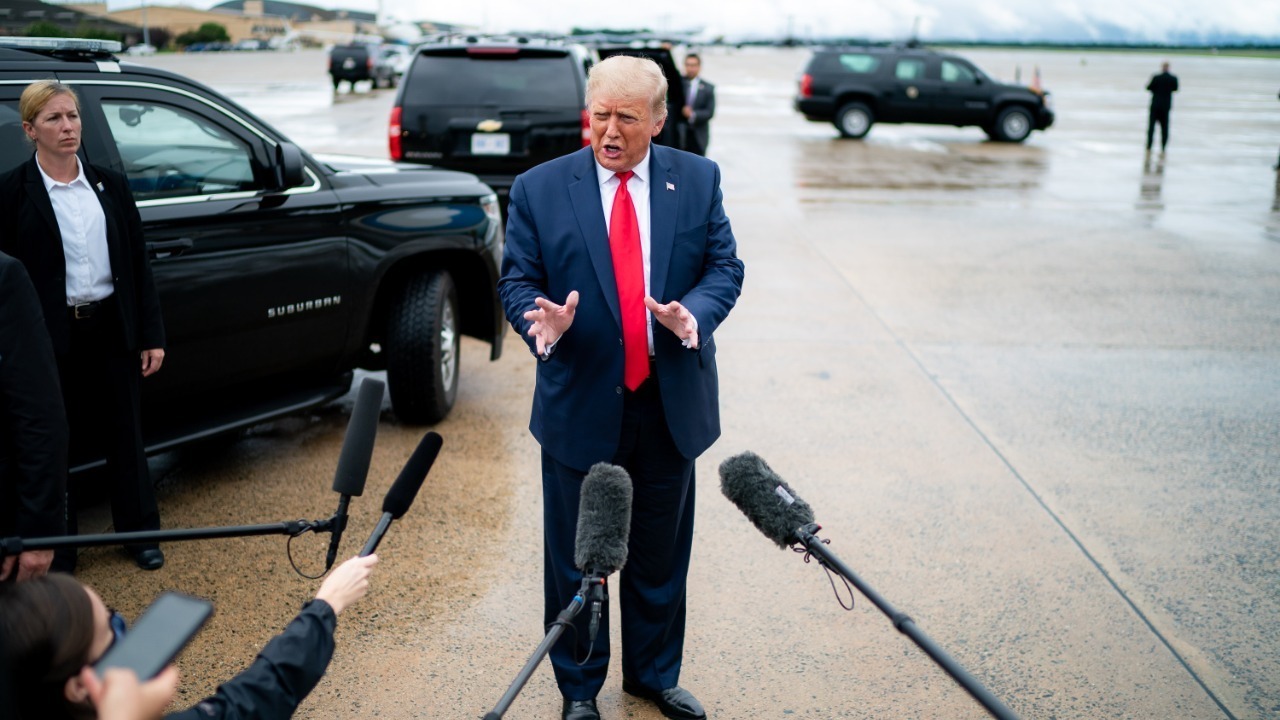
The political context in Washington shaped how these security discussions unfolded, particularly with President Donald Trump in office and signaling continued support for close ties with Riyadh. Lawmakers who have pressed for tighter conditions on arms transfers watched the tour’s finale for signs that the administration might push ahead with new packages, while Saudi envoys highlighted counterterrorism coordination and maritime security to frame the partnership as mutually beneficial, as reflected in congressional and administration briefings. By pairing defense talks with high‑profile economic deals, the crown prince effectively wrapped sensitive security issues inside a broader narrative of shared prosperity and regional stability.
Domestic ambitions and the risks behind the splashy numbers
Behind the glossy signing ceremonies, the end‑of‑tour deal surge was ultimately about shoring up the crown prince’s domestic transformation program, which depends on foreign investment to diversify the Saudi economy. I read the U.S. leg as a test of whether he can translate Vision 2030 from a policy blueprint into concrete projects that create jobs and technology transfer at home. The agreements with American firms on manufacturing plants, entertainment ventures, and tourism infrastructure were pitched as proof that global brands are willing to bet on Saudi Arabia’s reform trajectory, a claim supported by project‑level investment disclosures.
The risks are substantial, however, and they lingered in the background even as officials touted headline figures. Many of the deals announced in the tour’s final days are structured as memorandums of understanding or framework agreements, which can take years to mature into binding contracts or, in some cases, quietly fade. Analysts cited in implementation assessments noted that execution capacity inside Saudi ministries, regulatory uncertainty, and regional tensions could all slow delivery. By closing his U.S. visit with a cascade of ambitious commitments, the crown prince raised expectations at home and abroad; the real test will be whether those signatures translate into cranes on the skyline and code in Saudi data centers rather than remaining as impressive numbers on press releases.
More From TheDailyOverview
- Dave Ramsey warns to stop 401(k) contributions
- 11 night jobs you can do from home (not exciting but steady)
- Small U.S. cities ready to boom next
- 19 things boomers should never sell no matter what

Grant Mercer covers market dynamics, business trends, and the economic forces driving growth across industries. His analysis connects macro movements with real-world implications for investors, entrepreneurs, and professionals. Through his work at The Daily Overview, Grant helps readers understand how markets function and where opportunities may emerge.