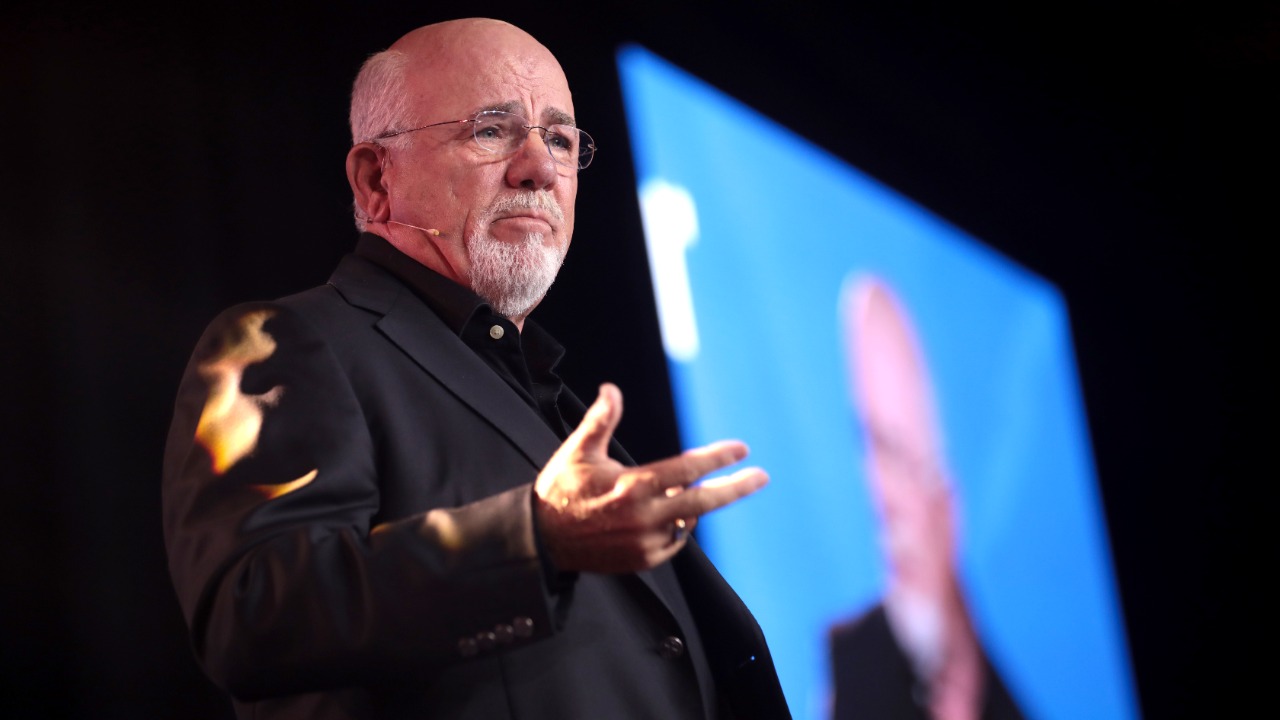
By the time you hit your 50s, the margin for financial error gets painfully thin. The choices you make in this decade can determine whether your retirement years feel secure or strained, and personal finance coach Dave Ramsey has been blunt about the habits that can quietly sabotage that future. He has zeroed in on three specific missteps that, in his view, can derail even a solid career’s worth of earnings if you do not correct them in time.
I see the same pattern in many late‑career households: good income, decent savings, but a handful of decisions that keep them stuck on a treadmill just as they should be preparing to step off. Ramsey’s warnings about debt, delayed planning and lifestyle creep are not abstract theories, they are practical red flags for anyone over 50 who wants their money to last longer than they do.
Retiring while you still have debt
The first and loudest alarm Ramsey sounds is about walking away from work while you still owe money. He argues that retiring with debt is a fundamental mistake because every monthly payment you carry into retirement is a slice of your fixed income that can never go to groceries, travel or medical bills. When your paycheck stops, the math on mortgages, car loans and credit cards changes overnight, and what felt manageable at 55 can become suffocating at 72 when inflation and health costs pile on.
Ramsey’s solution is unapologetically aggressive: he wants people to enter retirement with no payments at all on housing, cars and more, and he treats that goal as non‑negotiable rather than aspirational. In his view, the emotional relief of owning your home outright and driving a paid‑for car is as important as the financial benefit, because it lets you weather market swings without panicking over how to cover a $1,200 mortgage or a $600 SUV lease. I share that bias toward a clean slate, and I encourage anyone over 50 to build a countdown plan that targets each remaining loan in order of interest rate and risk, even if it means downsizing to a smaller house or trading a late‑model luxury vehicle for a reliable used Toyota Camry or Honda CR‑V.
Underestimating how much income you will need
The second trap Ramsey highlights is the belief that you can simply “make it work” in retirement with whatever savings you happen to have. He has stressed that leaving your career while you still need a high income to service debt or cover basic expenses is a recipe for stress, because it forces you to draw down investments faster than planned. Once you are no longer earning a full‑time salary, every dollar you spend has to come from pensions, Social Security, part‑time work or your portfolio, and those sources rarely stretch as far as people assume.
In a separate Quick Read on retirement pitfalls, Ramsey ties this directly to the pressure that monthly payments put on your nest egg, because they require a higher ongoing income just to stand still. I find that many people in their late 50s have never run a detailed retirement budget that includes property taxes, Medicare premiums, long‑term care insurance and the occasional roof replacement, so they underestimate their true income needs by thousands of dollars a year. The fix is unglamorous but powerful: build a line‑by‑line spending plan for your 60s, 70s and 80s, then stress‑test it against different market returns and inflation assumptions so you know whether you can safely retire or need to work a few more years.
Waiting too long to build real wealth
The third mistake is procrastination, the quiet enemy of compounding. Ramsey has been clear that building wealth is not magic, it is a process that depends on starting, making a plan and sticking with it through market ups and downs. If you spend your 20s, 30s and 40s drifting from one financial crisis to the next without a long‑term strategy, you arrive in your 50s with limited time for your investments to grow, which forces you to save more aggressively just to catch up.
In his Key Takeaways on retirement planning, Ramsey emphasizes that stewardship is about growing what you have, not chasing shortcuts, and that mindset becomes even more critical after 50. I often see people in this age group tempted by speculative bets, from hot tech stocks to cryptocurrency, because they feel behind and want to “make up for lost time.” That urge is understandable, but it conflicts directly with the need to protect capital as you approach retirement. A better approach is to increase your savings rate into diversified, boring vehicles like broad‑market index funds, 401(k) plans and Roth IRAs, while trimming lifestyle costs so you can redirect every extra dollar into assets that compound steadily instead of gambles that could set you back years.
Clinging to a lifestyle you can no longer afford
Another pattern Ramsey calls out is the refusal to adjust lifestyle as you age, especially when debt is involved. He has described how Retire debt‑free is not just a slogan, it is a direct challenge to the idea that you can keep the same house, cars and spending habits you have today and simply slide into retirement. People often assume they can handle a mortgage or a couple of car payments on a mix of Social Security and withdrawals, but Ramsey warns that this is one of the biggest retirement mistakes he encounters, because it locks you into a high fixed cost structure just as your income becomes more fragile.
In my experience, the emotional attachment to a particular neighborhood, a vacation home or a luxury vehicle can be stronger than the numbers on a spreadsheet, which is why so many over‑50 households resist downsizing until they are forced to. Ramsey’s stance is intentionally provocative: he would rather see you sell the big house, move to a smaller place and drive a modest car than cling to a lifestyle that quietly drains your savings. Practical steps might include trading a 2023 BMW X5 for a 2018 Subaru Outback, renting out a second home on Airbnb to accelerate its payoff, or relocating from a high‑tax suburb to a smaller city with lower property taxes. Each of those moves chips away at the fixed costs that make retirement risky, and they align with his broader insistence that People should prioritize long‑term security over short‑term image.
Failing to turn advice into a concrete plan
All of Ramsey’s warnings, from retiring with debt to delaying wealth building, share a common thread: they are only useful if you translate them into specific actions. It is one thing to nod along when he says Retiring with debt is dangerous, it is another to sit down with your spouse or a planner and map out exactly how many years it will take to pay off your mortgage, student loans for your children or that lingering home equity line of credit. Without a written plan, even the best advice becomes background noise, and the years between 50 and 65 can slip by faster than you expect.
I recommend treating your 50s as a focused transition period, where you deliberately move from accumulation to preservation. That means listing every debt, setting target payoff dates, and aligning your retirement age with the moment your major obligations disappear, just as Ramsey urges in his Ramsey guidance and his repeated emphasis on entering retirement with no payments. It also means revisiting your investment mix, insurance coverage and estate documents so they match the life you are actually heading toward, not the one you imagined at 35. The core of his message is simple but demanding: if you are over 50, you cannot afford to drift. You have to decide what kind of retirement you want, then ruthlessly clear away the three big obstacles that could wreck it before you ever get there.
More From The Daily Overview

Cole Whitaker focuses on the fundamentals of money management, helping readers make smarter decisions around income, spending, saving, and long-term financial stability. His writing emphasizes clarity, discipline, and practical systems that work in real life. At The Daily Overview, Cole breaks down personal finance topics into straightforward guidance readers can apply immediately.

