
Dave Ramsey, a well-known personal finance expert, often speaks out against the common misconceptions surrounding credit cards. Many individuals believe that credit cards are a necessary part of financial life, but Ramsey challenges these views, providing a fresh perspective on how to handle money effectively. Here, I explore eight myths about credit cards that Ramsey has consistently busted.
1. Credit Cards Are Essential for Building Credit
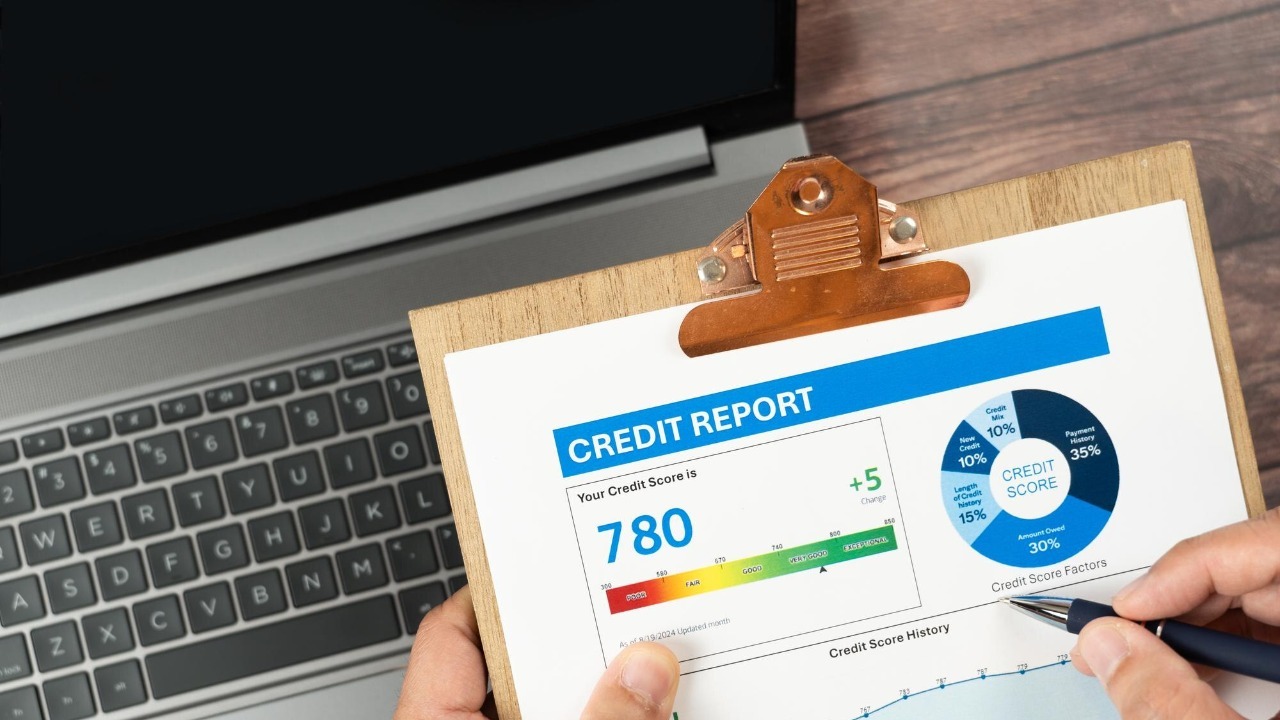
One of the biggest myths is that credit cards are crucial for establishing a good credit score. According to Dave Ramsey, you can build credit without ever owning a credit card. Instead, he advocates for using alternative methods like paying bills on time, taking out a manageable mortgage, or using a credit-builder loan from a bank.
These options help demonstrate financial responsibility without the risks associated with credit card debt. Ramsey’s approach focuses on maintaining a debt-free lifestyle and emphasizes that healthy financial habits can lead to a solid credit score.
2. You Need a Credit Card for Emergencies
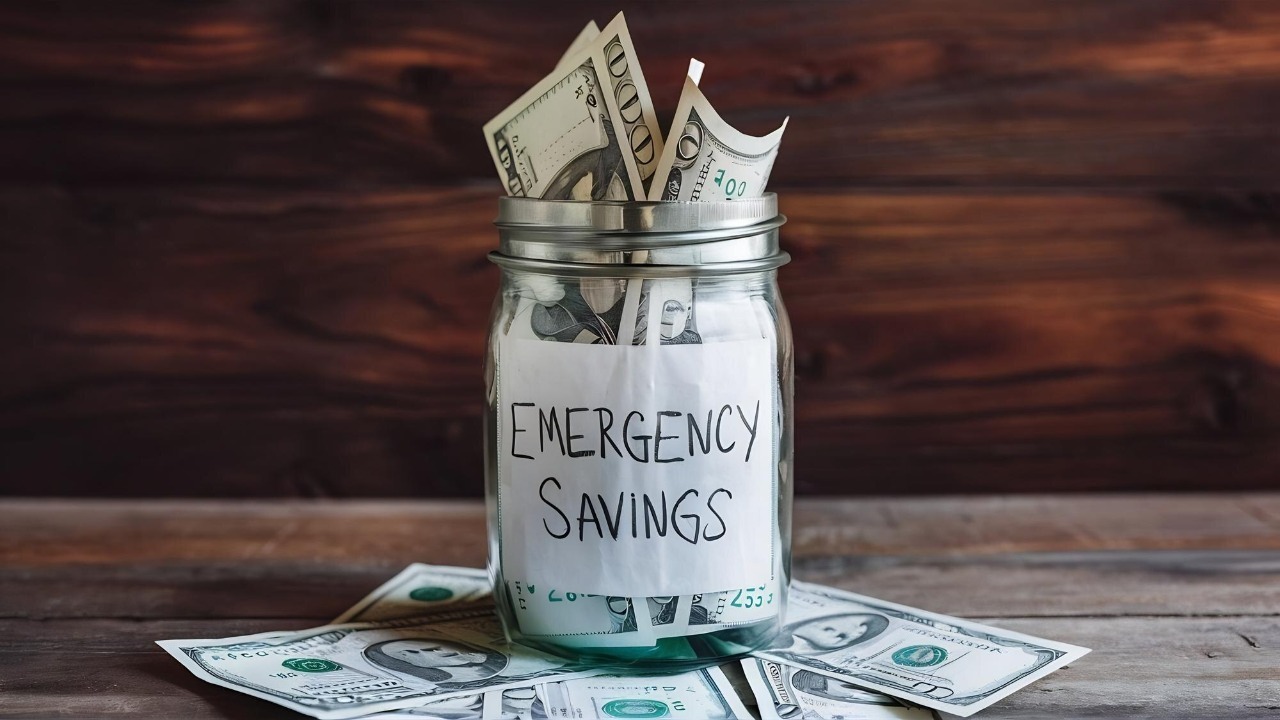
Many people believe that having a credit card is necessary for emergencies. However, Ramsey argues that having an emergency fund is a much better alternative. He recommends saving at least three to six months’ worth of expenses in a readily accessible savings account. This way, you’re prepared for unexpected expenses without relying on credit.
Credit cards can lead to accumulating debt, especially during stressful situations. By having an emergency fund, you can cover unexpected costs without the added stress of high-interest rates or repayment deadlines.
3. Credit Card Rewards Are Free Money
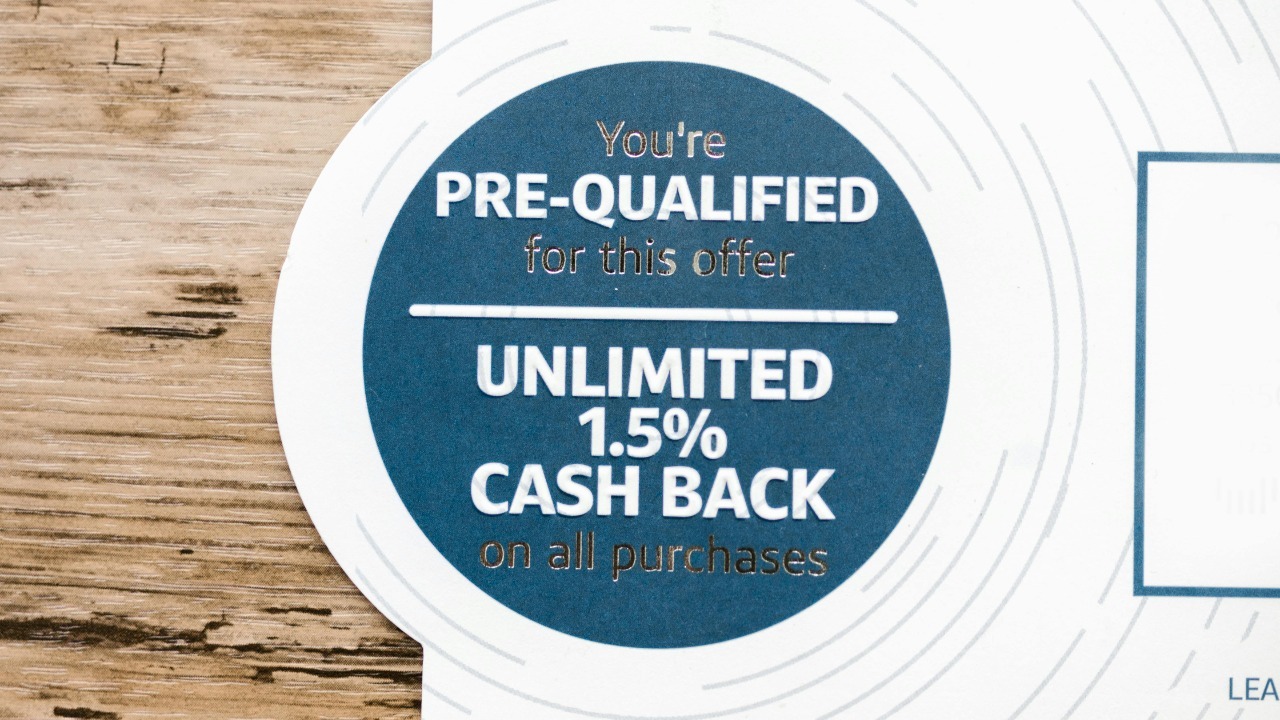
Credit card companies often market rewards as free perks, but Ramsey points out that they come with a cost. The allure of cash back or travel points can tempt people to spend more than they should. According to discussions on Reddit, many users find that rewards don’t offset the interest and fees they incur.
Ramsey suggests that these rewards are a strategy by credit card companies to encourage spending beyond one’s means. He advises focusing on budgeting and saving instead of chasing rewards, which often leads to financial strain.
4. Carrying a Balance Improves Your Credit Score

There’s a common belief that keeping a balance on your credit card can boost your credit score. Ramsey debunks this by explaining that carrying a balance does not improve credit scores and only results in accruing interest. The best way to maintain a healthy credit score is to pay off your balance in full each month.
By doing so, you demonstrate to creditors that you can manage credit responsibly without accumulating debt. This approach aligns with Ramsey’s philosophy of avoiding debt altogether and living within one’s means.
5. You Need a Credit Card for Online Purchases

Ramsey argues that credit cards are not necessary for online shopping. Instead, he suggests using a debit card or payment services like PayPal. These options provide similar consumer protection without the risk of accruing credit card debt.
With the rise of secure online payment methods, consumers can shop safely without a credit card. Ramsey encourages individuals to explore these alternatives to maintain financial discipline and avoid unnecessary debt.
6. Closing a Credit Card Hurts Your Credit Score
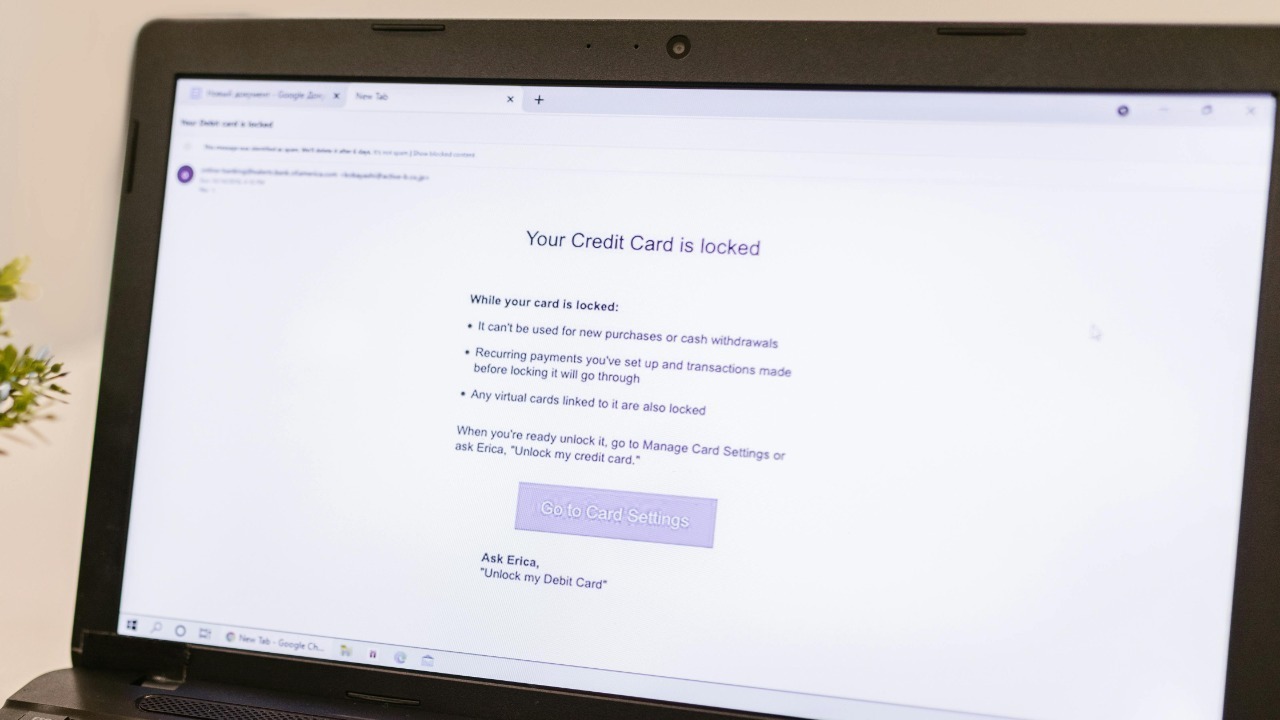
Many believe that closing a credit card account negatively impacts their credit score. Ramsey challenges this myth, explaining that while it might cause a temporary dip, the long-term benefits of avoiding debt outweigh any short-term effects. He emphasizes focusing on financial health rather than minor fluctuations in credit scores.
By closing unused credit cards, individuals can prevent potential identity theft and simplify their financial management. Ramsey advocates for a streamlined approach to finances, prioritizing debt elimination over credit score concerns.
7. All Credit Cards Have High Interest Rates

While it’s true that many credit cards carry high interest rates, not all do. However, Ramsey argues that the risk of falling into debt outweighs any potential savings from lower rates. He advises against using credit cards altogether, advocating for cash or debit card use to avoid interest charges entirely.
Ramsey’s approach is about avoiding the pitfalls of credit card use by sticking to a budget and living within one’s means. This strategy reduces the temptation to overspend and helps maintain financial stability.
8. Credit Cards Are Safer Than Debit Cards
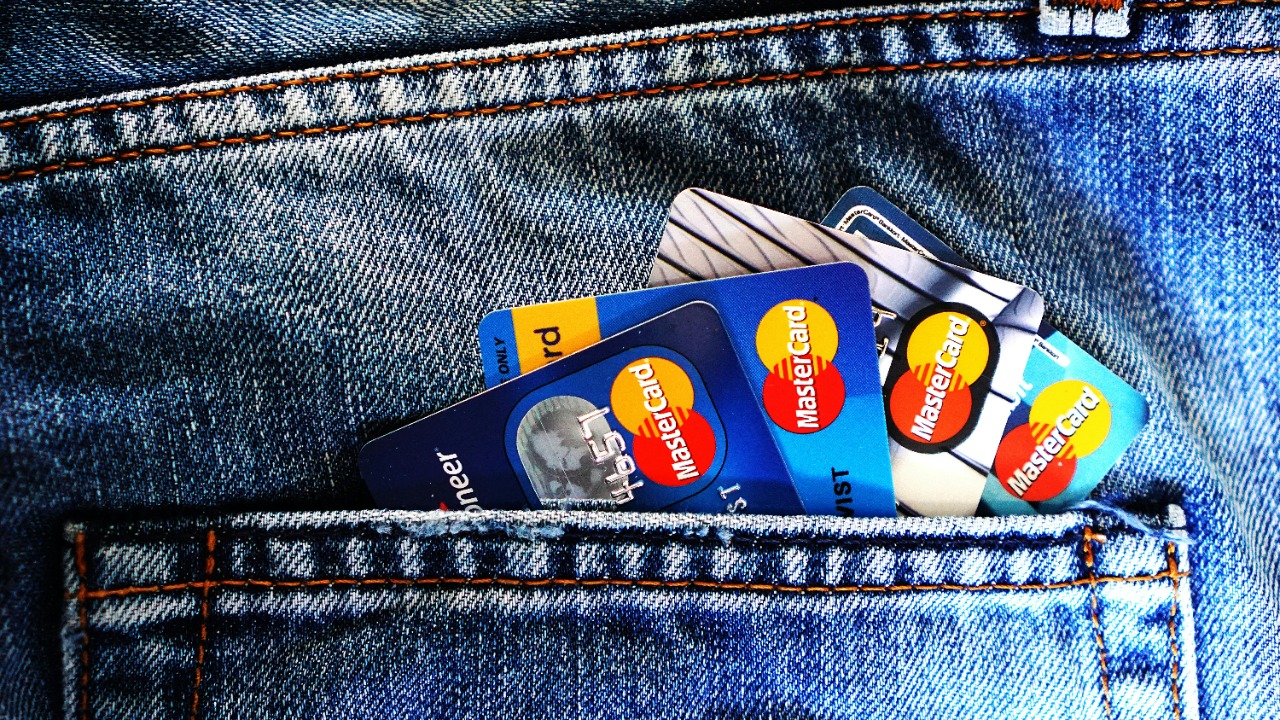
Safety is often cited as a reason to use credit cards over debit cards. While credit cards offer certain fraud protections, Ramsey points out that debit cards also provide similar protections when used responsibly. Banks often offer zero-liability policies for unauthorized transactions on debit cards.
Ramsey encourages using debit cards to maintain a debt-free lifestyle. By doing so, consumers can enjoy the same level of security without the risk of falling into debt. For more on Ramsey’s views on debt, check out his insights on credit card debt.

Cole Whitaker focuses on the fundamentals of money management, helping readers make smarter decisions around income, spending, saving, and long-term financial stability. His writing emphasizes clarity, discipline, and practical systems that work in real life. At The Daily Overview, Cole breaks down personal finance topics into straightforward guidance readers can apply immediately.

