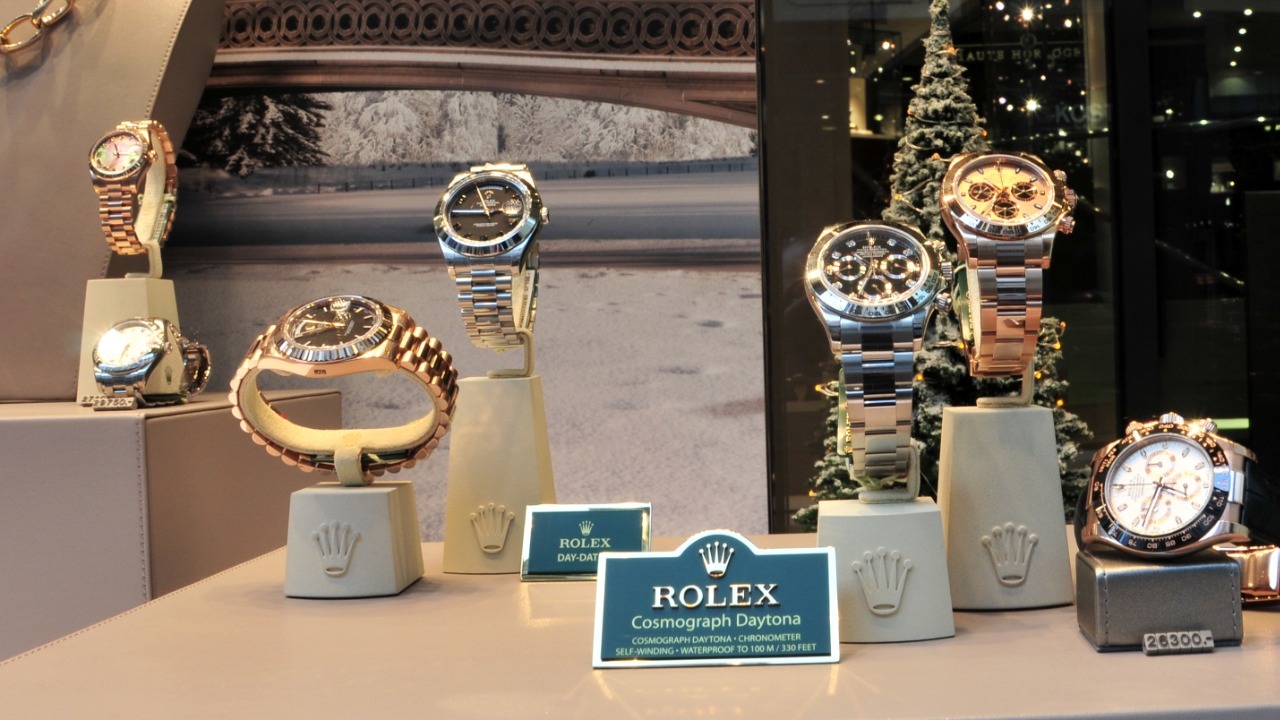
Rolex’s strategy of maintaining strict control over its distribution channels has made it nearly impossible for the average consumer to purchase a brand-new model directly from authorized dealers. This approach, which emphasizes building long-term relationships with customers, has fueled the brand’s mystique and driven up secondary market premiums.
Recent discussions have highlighted the power of scarcity in luxury marketing, underscoring Rolex’s commitment to exclusivity. Despite ongoing supply constraints, Rolex has continued to invest in exclusive retail experiences, as evidenced by the opening of a massive new £50 Million London Boutique in March 2025.
The Roots of Rolex Scarcity
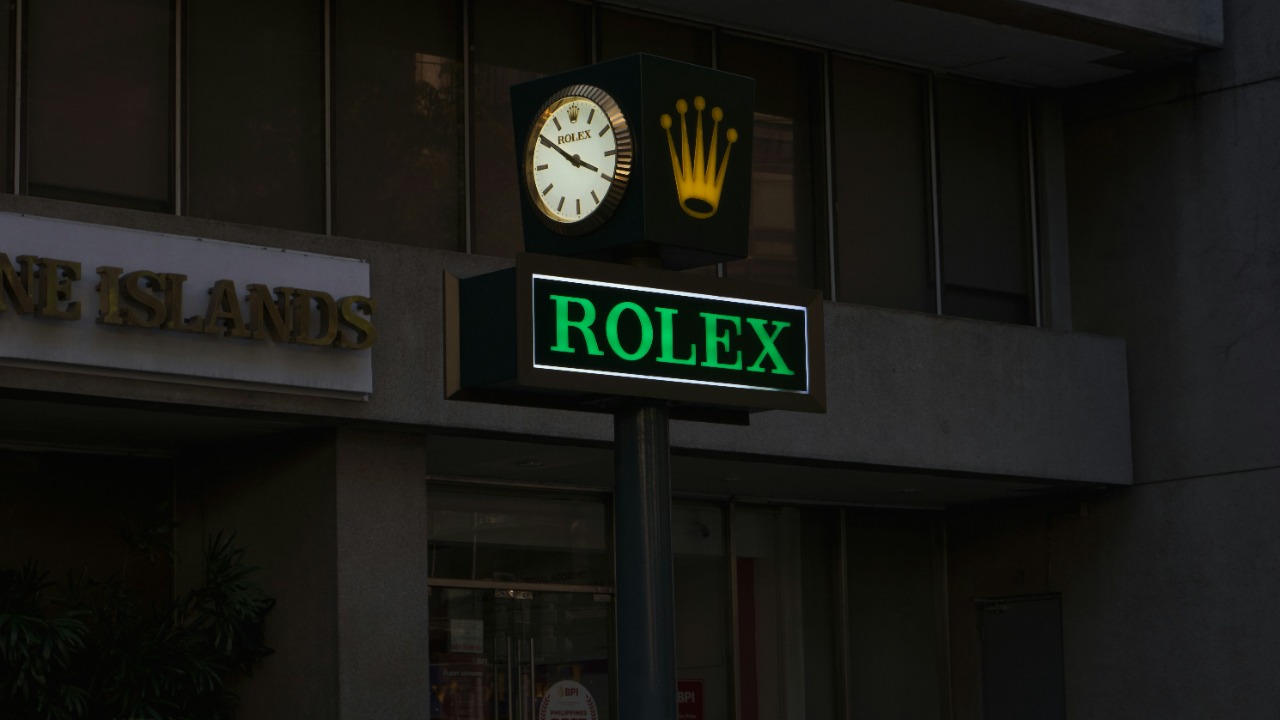
Rolex’s deliberate limitation of production and allocation to authorized dealers creates an artificial demand that enhances its brand exclusivity. According to expert analyses, this strategy is a cornerstone of Rolex’s marketing approach, ensuring that its watches remain coveted items. By controlling the supply chain, Rolex prioritizes waitlists over immediate availability, a decision rooted in its historical context. This approach has been detailed in video reporting, which highlights how these supply chain decisions have shaped consumer perceptions and fueled demand.
Consumers often express frustration with in-store denials, as brand-new Rolex watches remain elusive. Reports indicate that many potential buyers are turned away, unable to purchase the models they desire without first establishing a relationship with the dealer. This scarcity is not just a byproduct of high demand but a calculated move by Rolex to maintain its luxury status. The brand’s strategy of limiting availability has been a topic of discussion, with many consumers questioning the accessibility of these high-end timepieces.
Building Customer Loyalty Through Waitlists
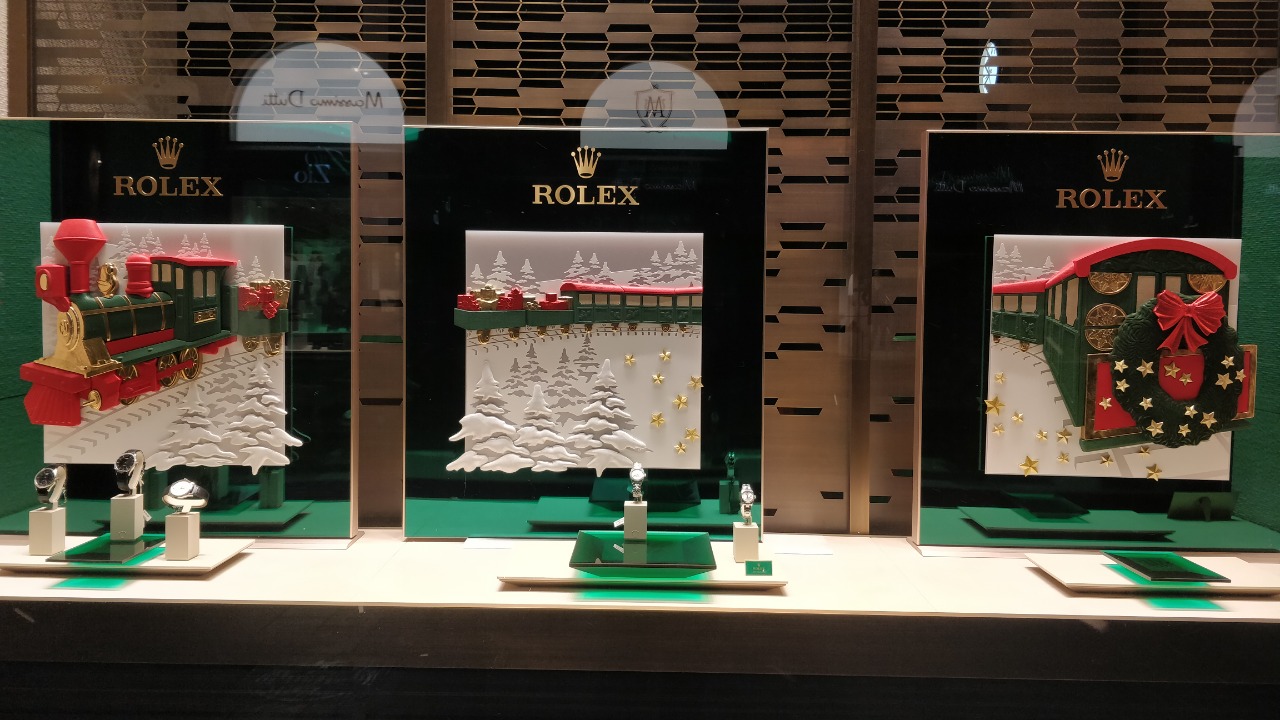
To purchase a Rolex, potential buyers often need to establish a relationship with dealers by purchasing other items first. This requirement is part of a loyalty-building process that can take months or even years. According to expert advice, this strategy reinforces scarcity as a powerful marketing tool. By creating a sense of exclusivity, Rolex ensures that its watches are not just products but symbols of status and achievement.
Real-world examples of waitlist experiences highlight the investment value perceptions tied to Rolex watches. Many consumers view these timepieces as investments, with the potential for significant resale value. Video content has explored how the waitlist process contributes to this perception, emphasizing the importance of building a relationship with dealers to secure a coveted spot on the list. This approach not only enhances the brand’s allure but also solidifies its position in the luxury market.
Role of Exclusive Boutiques in the Strategy
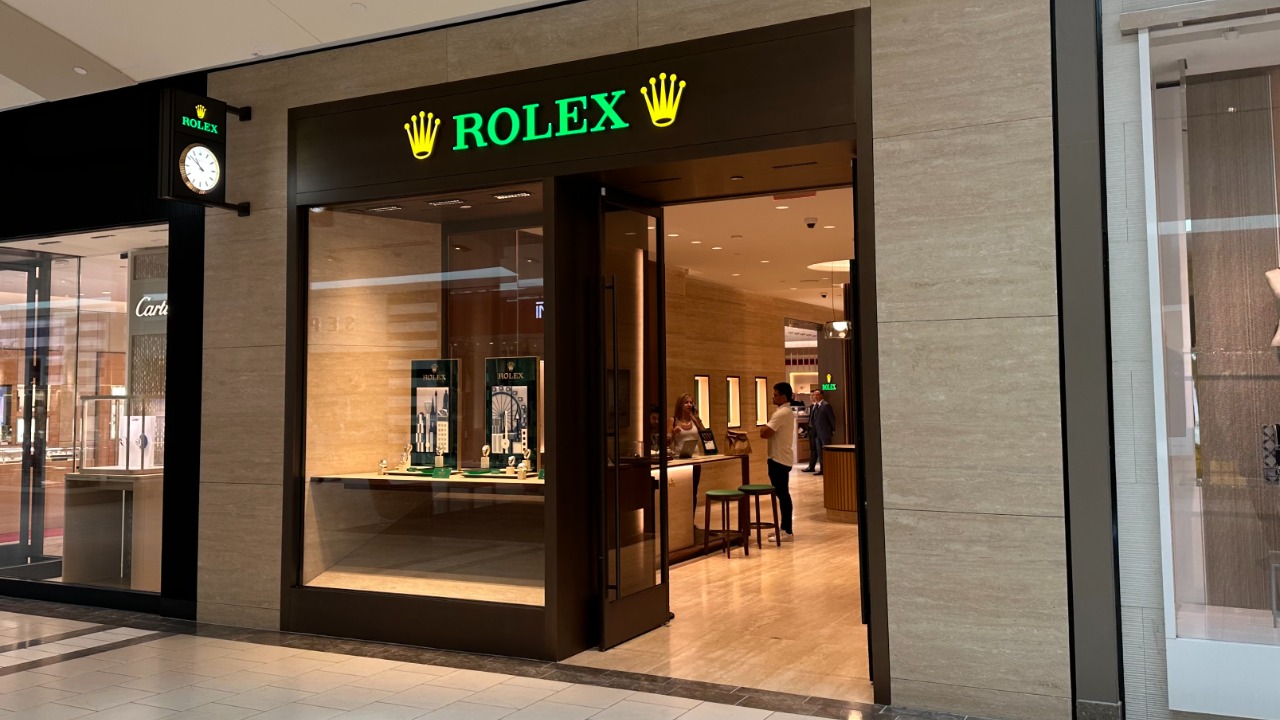
Rolex’s new £50 Million London Boutique, opened in March 2025, serves as a hub for high-end clientele rather than mass retail. The boutique’s features and purpose are designed to enhance the brand’s exclusivity, offering a luxurious shopping experience that aligns with Rolex’s image. By focusing on exclusive retail experiences, Rolex reinforces its commitment to scarcity without increasing overall availability.
Flagship stores like the London Boutique play a crucial role in Rolex’s strategy, enhancing the brand’s allure while maintaining its exclusivity. Expert tips on navigating boutique purchases emphasize the need for pre-existing dealer ties, highlighting the importance of building relationships to access these exclusive retail spaces. This approach ensures that Rolex remains a symbol of luxury and prestige, accessible only to those who meet its stringent criteria.
Secondary Market Implications
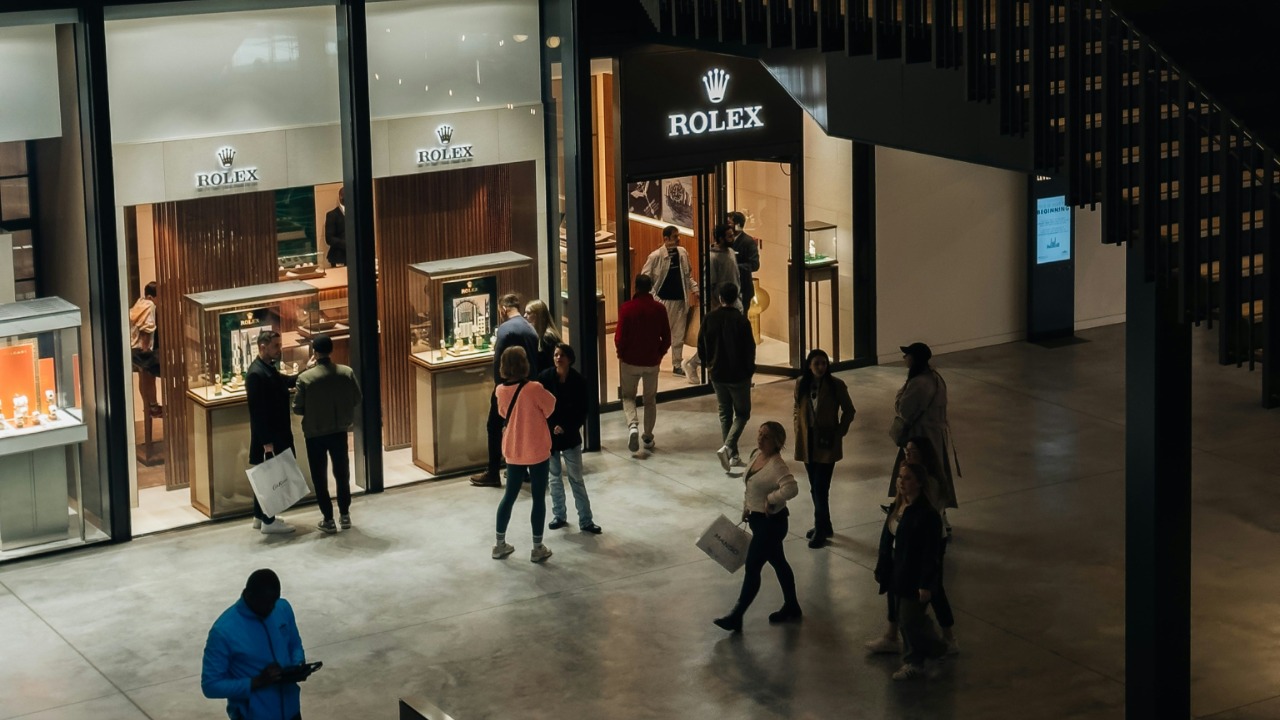
The scarcity of brand-new Rolex watches drives up resale prices, turning these timepieces into lucrative investments. Video analysis has explored how this scarcity impacts the secondary market, with many consumers viewing Rolex watches as valuable assets. The high demand and limited supply contribute to significant price premiums, making Rolex a sought-after brand in the luxury watch market.
However, buying pre-owned Rolex watches comes with risks. Experts advise caution when purchasing from unofficial channels, as the potential for counterfeit products and inflated prices can pose challenges. By controlling supply, Rolex ensures that its watches remain exclusive and desirable, a strategy critiqued in marketing commentary. This deliberate control over availability not only enhances the brand’s prestige but also solidifies its position as a leader in the luxury watch industry.
For more insights into Rolex’s strategy and the implications of its scarcity-driven approach, explore the detailed analyses and expert advice available through various sources, including MSN, CNN, The Drum, GQ, and Esquire.

Cole Whitaker focuses on the fundamentals of money management, helping readers make smarter decisions around income, spending, saving, and long-term financial stability. His writing emphasizes clarity, discipline, and practical systems that work in real life. At The Daily Overview, Cole breaks down personal finance topics into straightforward guidance readers can apply immediately.