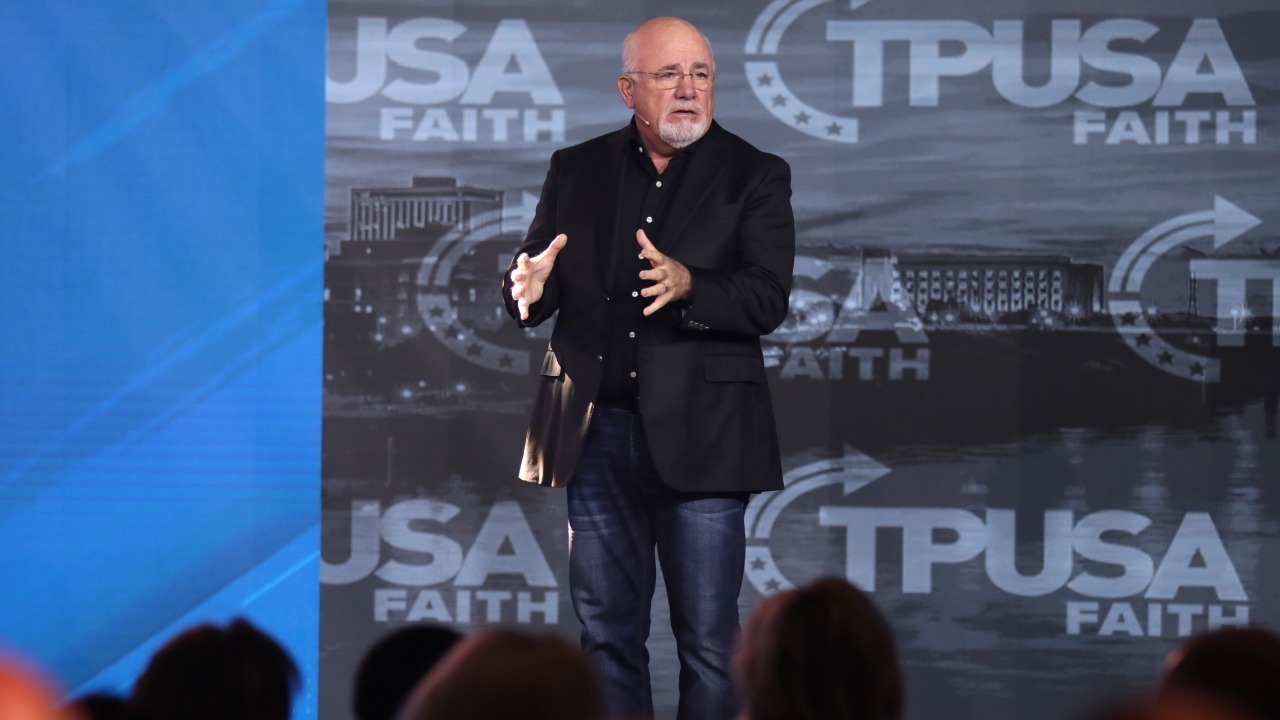
Financial expert Dave Ramsey emphasizes the importance of careful consideration when buying a house, especially in today’s unpredictable market. His advice came into sharp focus during a recent call with a 73-year-old woman who, despite having no savings and paying $2,000 a month in student loans, was contemplating purchasing a home. Ramsey’s guidance underscores the necessity of financial readiness, highlighting the potential pitfalls of certain home types and financing strategies that could lead to long-term regret.
General Cautions for Homebuyers
Dave Ramsey consistently advises potential homebuyers to ensure they are financially stable before committing to a mortgage. He stresses the importance of being debt-free and having a robust emergency fund in place. This approach is crucial to avoid the financial strain that can come with unexpected expenses or changes in income. Ramsey’s emphasis on financial stability is particularly relevant in the current economic climate, where high interest rates and market volatility can trap unprepared buyers in unaffordable payments. He suggests waiting for the right economic timing rather than rushing into a purchase, which can lead to financial distress.
Another significant risk Ramsey highlights is the danger of overextending credit. Many buyers fall into the trap of lifestyle inflation after purchasing a home, which can derail their budgets. Ramsey advocates for a minimum 20% down payment to prevent financial strain and ensure that buyers are not over-leveraging themselves. This approach helps mitigate the risks associated with high-interest loans and provides a buffer against market fluctuations. By following Ramsey’s advice, buyers can avoid the common pitfalls of homeownership and build a more secure financial future.
Avoiding Mobile Homes as an Option
Dave Ramsey strongly advises against purchasing mobile homes, citing their rapid depreciation and lack of equity buildup as significant drawbacks. He argues that these factors make mobile homes a poor long-term investment. Unlike traditional site-built homes, mobile homes do not appreciate in value, which can leave owners with little to no return on their investment. Ramsey’s stance is supported by the structural and financing challenges associated with mobile homes, such as limited loan options and higher insurance costs, which often outweigh any initial affordability benefits.
Moreover, mobile homes frequently lead to ongoing maintenance issues and resale difficulties. Ramsey points out that these challenges can create a cycle of financial strain for owners, making it difficult to achieve long-term stability. He recommends opting for traditional site-built homes, which offer better opportunities for equity growth and financial security. By avoiding mobile homes, buyers can make a more sound investment that aligns with Ramsey’s principles of financial prudence.
Dangers of Using Retirement Funds for Mortgages
Ramsey warns against using 401(k) funds to pay off a house, emphasizing the permanent loss of compound interest growth and potential tax penalties that could jeopardize retirement security. He argues that dipping into retirement savings may seem tempting but often results in financial regret. Early withdrawal fees and reduced future income are common consequences of this decision, which can significantly impact long-term wealth. Instead, Ramsey advises prioritizing debt snowball methods to pay off mortgages without sacrificing retirement savings.
Keeping retirement accounts intact is crucial for ensuring financial stability in later years. Ramsey recommends alternative strategies, such as aggressive saving, to pay off mortgages without compromising long-term wealth. By following his advice, individuals can avoid the pitfalls of using retirement funds and maintain a secure financial future. This approach aligns with Ramsey’s broader philosophy of financial responsibility and long-term planning.
Evaluating Mortgage Buy-Downs Strategically
Dave Ramsey provides specific conditions under which mortgage buy-downs make sense, such as when they lower rates without excessive upfront costs that strain budgets. He acknowledges that buy-downs can offer short-term relief but cautions that they may not align with his preference for fixed-rate mortgages paid off quickly. Ramsey’s analysis highlights the importance of evaluating the pros and cons of buy-downs in the context of individual financial situations.
In volatile markets, locking in higher rates via buy-downs could backfire if rates drop soon after. Ramsey advises against buy-downs in such scenarios, emphasizing the need for careful consideration and strategic planning. By understanding the potential risks and benefits, buyers can make informed decisions that align with their long-term financial goals. Ramsey’s guidance underscores the importance of strategic thinking in navigating the complexities of mortgage financing.
Real-Life Example: A Senior Caller’s Dilemma
The story of a 73-year-old caller who inquired about buying a house illustrates Ramsey’s focus on age and readiness in homebuying decisions. Despite her circumstances, including no savings and $2,000 monthly student loan payments, the caller believed she had time to purchase a home. Ramsey used this example to highlight the risks of homeownership without a solid financial foundation. He advised against the purchase, emphasizing the importance of building savings first and clearing debts to avoid compounding financial stress in later years.
This real-life example serves as a cautionary tale for others considering homeownership without adequate financial preparation. Ramsey’s response underscores the importance of assessing one’s financial situation and readiness before making such a significant investment. By following his advice, individuals can avoid the pitfalls of premature homebuying and work towards a more secure financial future.
In conclusion, Dave Ramsey’s advice on homebuying emphasizes the importance of financial readiness and strategic planning. By avoiding common pitfalls such as overextending credit, purchasing depreciating assets like mobile homes, and using retirement funds for mortgages, individuals can make sound financial decisions that align with their long-term goals. Ramsey’s guidance serves as a valuable resource for those navigating the complexities of the housing market, offering insights that promote financial stability and security.
More From TheDailyOverview
- Dave Ramsey says these two simple questions show whether you’re rich or poor
- Retired But Want To Work? Try These 18 Jobs for Seniors That Pay Weekly
- IRS raises capital gains thresholds for 2026 and what’s new
- 12 ways to make $5,000 fast that actually work

Elias Broderick specializes in residential and commercial real estate, with a focus on market cycles, property fundamentals, and investment strategy. His writing translates complex housing and development trends into clear insights for both new and experienced investors. At The Daily Overview, Elias explores how real estate fits into long-term wealth planning.

