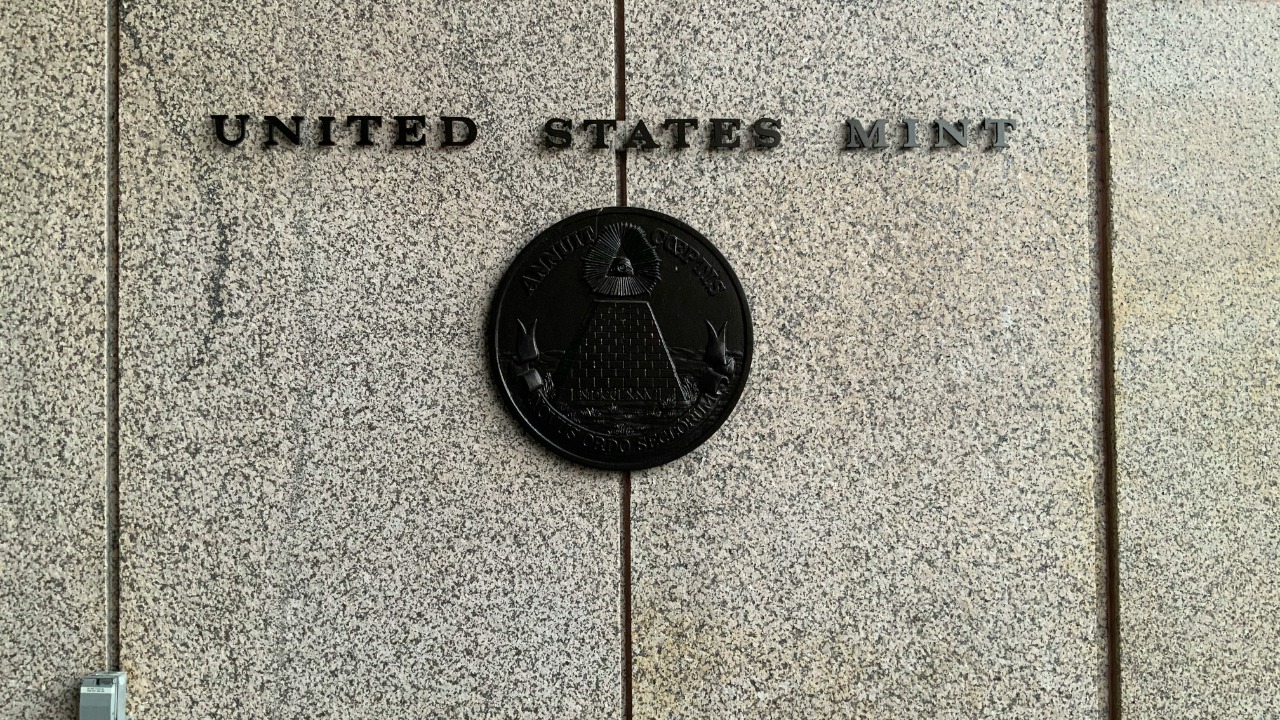
The U.S. Mint has officially stopped producing the one-cent coin, marking a significant shift in American currency. This decision, aimed at addressing ongoing shortages and rising production costs, means that no new pennies will enter circulation. However, existing pennies remain legal tender, leaving Americans to ponder the future use and value of these coins in a world where fresh minting has ceased.
Background on the Penny’s Discontinuation
The U.S. Mint’s decision to halt the production of one-cent coins has been driven by a combination of economic and logistical factors. The cost of producing a penny has long exceeded its face value, prompting discussions about its viability. According to The Hill, the decision to mint the last penny was finalized around November 12, 2025, marking the end of an era for the iconic coin. The implications for circulation are significant, as the U.S. Mint confirmed it will no longer produce these coins, as reported by USA Today. This move is expected to impact how pennies are used in everyday transactions and their availability in the market.
The timeline for this decision was relatively swift, with the final production run occurring in November 2025. This marks a pivotal moment in U.S. currency history, as the penny has been a staple since its introduction. The cessation of minting reflects broader trends in currency management and the need to adapt to changing economic realities. The decision was not made lightly, considering the penny’s historical significance and its role in everyday commerce.
Current Status of Pennies as Legal Tender
Despite the halt in production, pennies remain legal tender, meaning they can still be used for transactions. This addresses a common concern among the public about the validity of pennies in everyday commerce. According to TCPalm, existing pennies will continue to circulate and be accepted for payments, even as shortages become more pronounced. This ensures that the transition away from new penny production does not disrupt current financial practices.
However, the discontinuation has led to noticeable penny shortages in circulation. As reported by Euronews, while the U.S. has stopped minting new pennies, there are no immediate changes to their acceptance in transactions. This continuity is crucial for maintaining stability in everyday financial exchanges, even as the supply of pennies diminishes over time.
Options for Handling Your Existing Pennies
With the end of penny production, individuals holding onto these coins have several options. One practical approach is to continue using them in transactions, as they remain valid currency. According to NorthJersey.com, spending or banking pennies is a straightforward way to manage them amid the shift away from new minting. This ensures that pennies continue to play a role in financial transactions, even as their production ceases.
Another option is to save or redeem pennies, particularly in light of the U.S. Mint’s discontinuation and the resulting shortages. As noted by USA Today, the scarcity of new pennies could potentially increase their value over time, making them a worthwhile collectible or investment. This perspective encourages individuals to consider the long-term potential of their penny holdings.
Potential Value and Collecting Opportunities
The discontinuation of penny production opens up potential opportunities for collectors. As the supply of pennies diminishes, their rarity could enhance their value, particularly for coins in good condition or those with historical significance. According to Euronews, the end of one-cent coin production may elevate the status of pennies as collectibles, appealing to numismatists and casual collectors alike.
For those interested in collecting, understanding the factors that influence a penny’s value is crucial. As reported by NorthJersey.com, coins with unique features, such as rare mint marks or historical significance, are likely to be more valuable. This insight encourages collectors to carefully evaluate their penny collections and consider the potential for future appreciation.
Broader Implications for Everyday Use
The discontinuation of the penny has broader implications for everyday transactions, particularly in terms of pricing and rounding. As noted by USA Today, businesses may need to adjust pricing strategies to accommodate the absence of new pennies, potentially leading to more frequent rounding of prices. This shift could affect consumer behavior and pricing structures across various sectors.
In the long term, the cessation of penny production may lead to adaptations in how transactions are conducted. As reported by The Hill, the U.S. must navigate the challenges posed by penny shortages and find strategies to ensure smooth financial operations. This includes exploring alternative methods for handling small transactions and maintaining public confidence in the currency system.
Public reactions to the penny’s discontinuation have been mixed, with some viewing it as a necessary step toward modernizing currency, while others lament the loss of a familiar coin. According to NorthJersey.com, practical next steps for individuals include assessing their penny holdings and considering how best to use or preserve them in a post-minting world. This transition period offers an opportunity for reflection on the role of currency in everyday life and the evolving landscape of financial transactions.
More From TheDailyOverview
- Dave Ramsey says these two simple questions show whether you’re rich or poor
- Retired But Want To Work? Try These 18 Jobs for Seniors That Pay Weekly
- IRS raises capital gains thresholds for 2026 and what’s new
- 12 ways to make $5,000 fast that actually work

Cole Whitaker focuses on the fundamentals of money management, helping readers make smarter decisions around income, spending, saving, and long-term financial stability. His writing emphasizes clarity, discipline, and practical systems that work in real life. At The Daily Overview, Cole breaks down personal finance topics into straightforward guidance readers can apply immediately.

