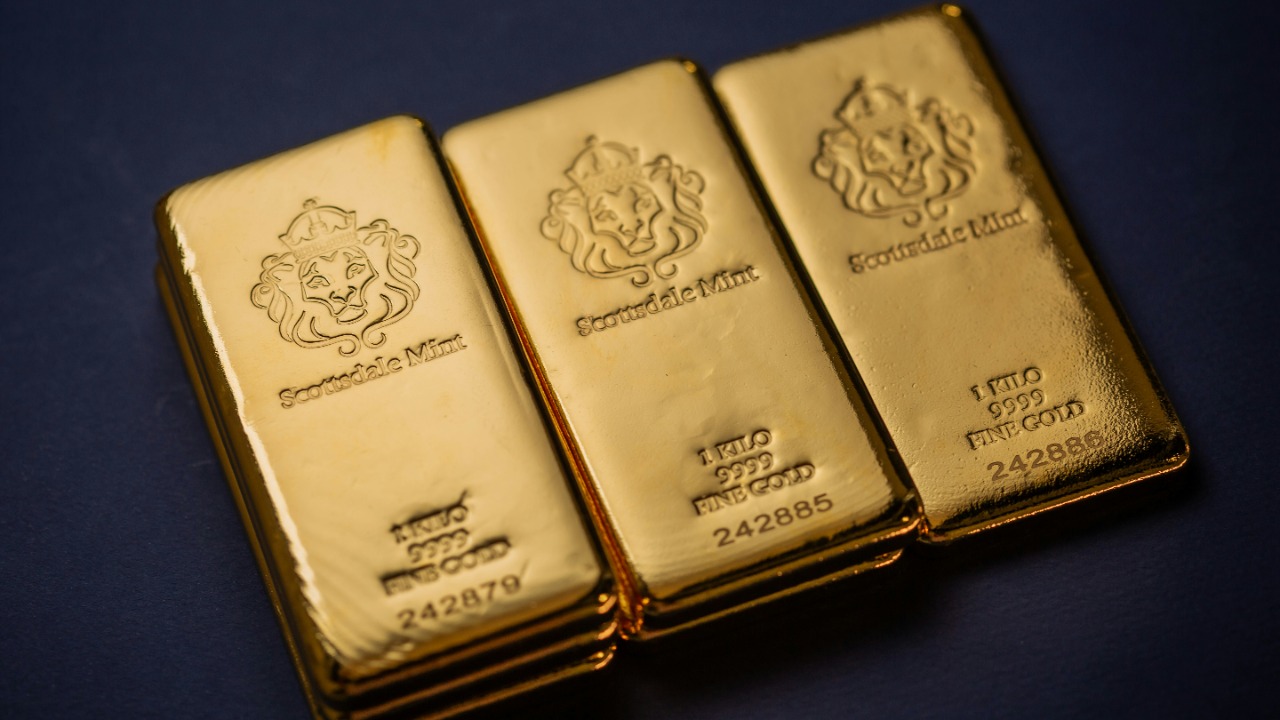
Financial expert Dave Ramsey has consistently criticized gold investments, arguing that they are inferior to stocks due to their historical underperformance. He has pointed out that gold has averaged just 4.6% annual returns since 1971, while the S&P 500 has returned over 10%. In a 2023 episode of The Ramsey Show, Ramsey reiterated his stance, advising listeners to stick with mutual funds despite gold prices surging past $2,000 per ounce. This perspective aligns with his broader philosophy, which prioritizes debt reduction and diversified stock investments over commodities like gold.
Dave Ramsey’s Core Philosophy on Investing
Dave Ramsey’s investment philosophy is grounded in the principle of financial stability before diversification. He advises individuals to invest only after becoming debt-free, with the exception of a mortgage. Ramsey emphasizes the importance of building emergency funds and contributing to retirement accounts before considering alternative investments like gold. His approach is detailed in his books, where he recommends allocating 15% of one’s income into growth stock mutual funds, explicitly excluding gold or other collectibles. Ramsey often compares gold to “baseball cards or Beanie Babies,” highlighting its lack of income generation and speculative nature.
Ramsey’s strategy focuses on long-term growth through diversified stock investments. He believes that mutual funds offer a more reliable path to wealth accumulation, as they provide dividends and capital appreciation. This approach reflects his commitment to helping individuals achieve financial independence through disciplined saving and investing. By excluding gold from his recommended portfolio, Ramsey underscores his belief that tangible assets should not form the foundation of a sound investment strategy.
Historical Performance of Gold vs. Ramsey’s Benchmarks
Gold’s historical performance has been a key point in Ramsey’s critique of precious metals as an investment. Since 1971, gold has delivered an average annual return of 4.6%, a figure Ramsey frequently cites to illustrate its underperformance compared to the S&P 500, which has averaged 10-11% over the same period. This comparison is a staple in Ramsey’s discussions, as seen in his book Financial Peace, where he uses these statistics to argue against gold as a viable long-term investment.
Ramsey also highlights gold’s volatility as a significant drawback. In a 2023 episode of his show, he noted that gold prices have fluctuated dramatically, from $1,200 to over $2,000 per ounce in recent years. This volatility, according to Ramsey, makes gold an unreliable store of value, particularly when compared to the more stable returns of stock market investments. By emphasizing these points, Ramsey aims to steer his audience away from the allure of gold and towards more consistent investment vehicles.
Why Ramsey Views Gold as a Poor Store of Value

Ramsey argues that gold is a poor store of value because it does not produce dividends or interest, relying solely on price appreciation, which he deems unreliable. He critiques the notion that gold protects against inflation, citing data from the 1970s when stocks outperformed gold despite high inflation rates. Ramsey’s analysis suggests that gold’s perceived safety is more myth than reality, as it fails to provide the financial security that many investors seek.
Additionally, Ramsey warns about the hidden costs associated with owning physical gold, such as storage and insurance expenses, which can add 1-2% annually to the cost of investment. These factors further diminish gold’s appeal as a long-term investment option. By highlighting these drawbacks, Ramsey reinforces his position that gold should not be a cornerstone of a well-rounded investment strategy.
Common Gold Investment Vehicles and Ramsey’s Critiques

Ramsey critiques various gold investment vehicles, starting with physical gold bars or coins. He advises against them due to the premiums over the spot price, often resulting in a 5-10% markup. This markup, combined with the lack of income generation, makes physical gold an unattractive option for investors seeking growth.
Gold IRAs and ETFs, such as GLD, also come under Ramsey’s scrutiny. In a 2022 podcast episode, he referred to these as “fancy ways to lose money slowly,” emphasizing their inefficiency compared to traditional stock investments. Ramsey’s preference for low-cost index funds over gold mining stocks further illustrates his belief that gold-related investments carry unnecessary risk without offering commensurate rewards.
Real Listener Stories Through Ramsey’s Advice

Listener stories from The Ramsey Show provide real-world examples of the impact of Ramsey’s advice. In 2021, a caller shared their experience of losing 20% on gold during a market dip after succumbing to investment hype. This story underscores the risks associated with gold investments and the importance of following Ramsey’s guidance.
Conversely, success stories abound from listeners who switched from gold to mutual funds, achieving 8-12% returns post-2010. These examples highlight the benefits of adhering to Ramsey’s investment philosophy, which prioritizes stability and growth through diversified stock portfolios. In a 2023 call, a Texas listener debated investing in gold amid economic uncertainty, but Ramsey urged them to focus on baby step 4 investments instead, reinforcing his commitment to long-term financial planning.
Alternatives Ramsey Recommends Over Gold

Ramsey’s “Baby Steps” framework offers a structured approach to financial planning, with Step 4 emphasizing 15% retirement investing in mutual funds from reputable companies like American Funds or Vanguard. This strategy promotes diversification across four types of mutual funds: growth, growth and income, aggressive growth, and international. By advocating for this approach, Ramsey provides a clear roadmap for building wealth over time.
In his book EntreLeadership, Ramsey famously stated, “Investing in gold is like betting on a horse that doesn’t run,” redirecting investors to more reliable options like real estate or stocks. This analogy encapsulates his belief that gold lacks the potential for consistent returns and should not be a primary investment choice. By focusing on proven investment vehicles, Ramsey aims to guide individuals towards achieving financial security and independence.

Cole Whitaker focuses on the fundamentals of money management, helping readers make smarter decisions around income, spending, saving, and long-term financial stability. His writing emphasizes clarity, discipline, and practical systems that work in real life. At The Daily Overview, Cole breaks down personal finance topics into straightforward guidance readers can apply immediately.

