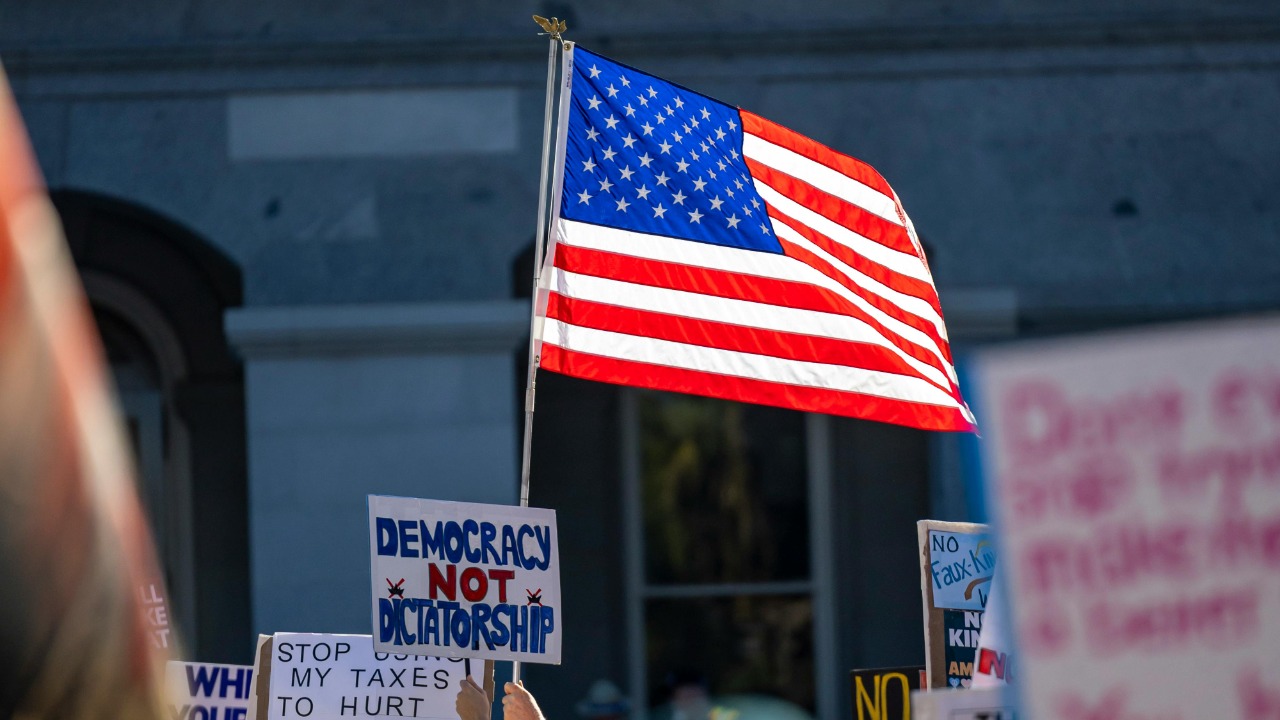
President Donald Trump initiated the longest government shutdown in U.S. history, which lasted 35 days from December 22, 2018, to January 25, 2019. This shutdown was triggered by his demand for $5.7 billion in funding for a border wall along the U.S.-Mexico border, affecting approximately 800,000 federal employees who were either furloughed or working without pay. This surpassed the previous record of a 21-day shutdown during a 1995-1996 budget dispute under President Bill Clinton. Key figures in the standoff included House Speaker Nancy Pelosi, who refused to negotiate until the shutdown ended, and Senate Majority Leader Mitch McConnell, who delayed votes on related bills. (CNN)
Causes Leading to the Shutdown
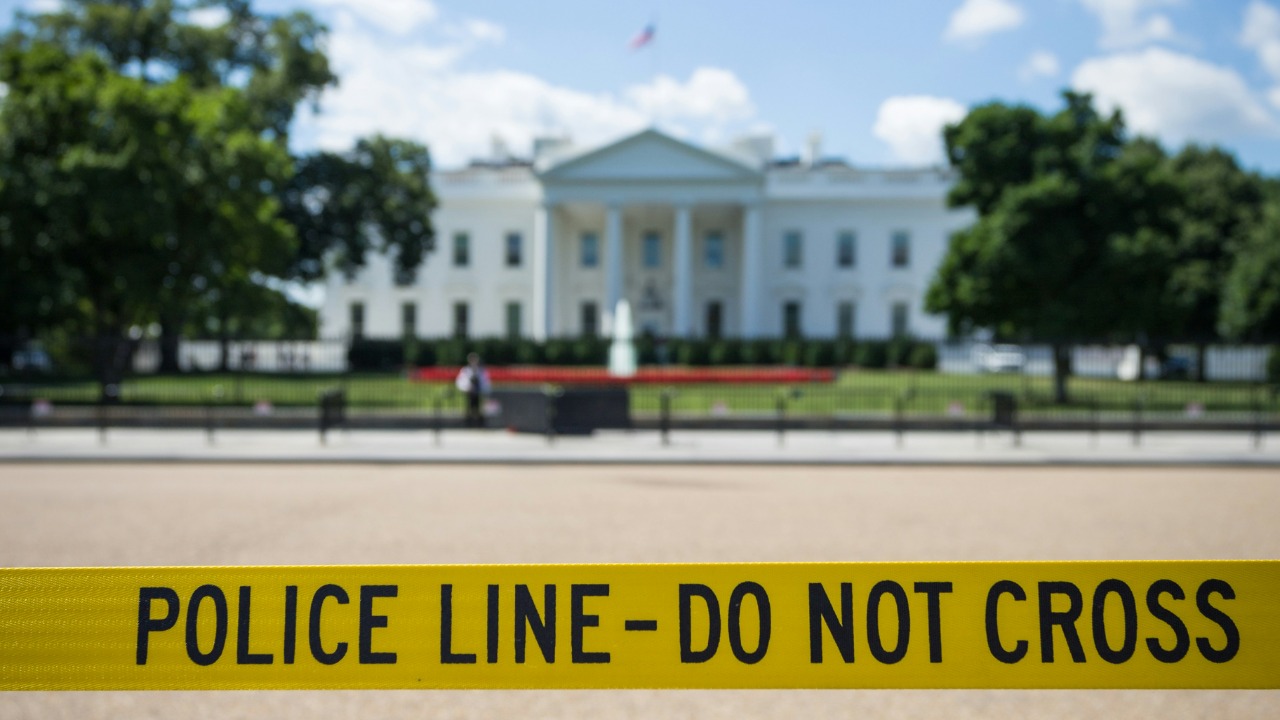
President Trump was adamant about securing $5.7 billion for the construction of a border wall, making it a condition for signing any spending bill to prevent a government shutdown. He stated, “I am proud to shut down the government for border security,” emphasizing his commitment to this cause. (White House) However, Democrats, led by incoming House Speaker Nancy Pelosi, opposed this funding, arguing that the wall was ineffective and a misuse of resources. They passed spending bills in the Democratic-controlled House that did not include the wall provision. (New York Times)
The shutdown was triggered by the expiration of funding for several federal agencies, including the departments of Agriculture, Interior, and Transportation, at midnight on December 21, 2018. This lapse in funding was the immediate cause of the shutdown, as the government could not operate without an approved budget. (Washington Post)
Record Duration and Historical Comparison

The shutdown officially ended on January 25, 2019, when President Trump signed a bill providing temporary funding without the wall money, marking a 35-day duration. This broke the previous record of 21 days set during the 1995-1996 shutdowns under President Clinton. (FactCheck.org) Before this, no shutdown had exceeded 21 days, with the 16-day shutdown in 2013 over the Affordable Care Act being the next longest. (Pew Research)
By the 34th day, January 24, 2019, the shutdown had already surpassed all previous records, prompting the White House to acknowledge this milestone. (ABC News) This extended period of government inactivity highlighted the deep political divisions over border security and fiscal policy.
The 35-day shutdown not only set a new record for duration but also underscored the evolving nature of political standoffs in the U.S. government. Historically, shutdowns have varied in length and impact, often reflecting the political climate of their times. The 1995-1996 shutdown, which previously held the record, was primarily a clash over budgetary priorities between President Clinton and the Republican-controlled Congress. In contrast, the 2018-2019 shutdown was deeply rooted in ideological differences over immigration policy, particularly the construction of a border wall. (Pew Research)
Comparatively, the 2013 shutdown, which lasted 16 days, was driven by disputes over the Affordable Care Act, highlighting how healthcare reform has been a recurring point of contention in American politics. Each of these shutdowns has had unique catalysts and consequences, but the 2018-2019 shutdown’s unprecedented length and the scale of its impact on federal workers and services marked a significant moment in U.S. political history. The prolonged nature of the shutdown also brought to light the vulnerabilities in the federal budget process and the potential for political gridlock to disrupt government operations. (FactCheck.org)
Impacts on Federal Workers and Economy
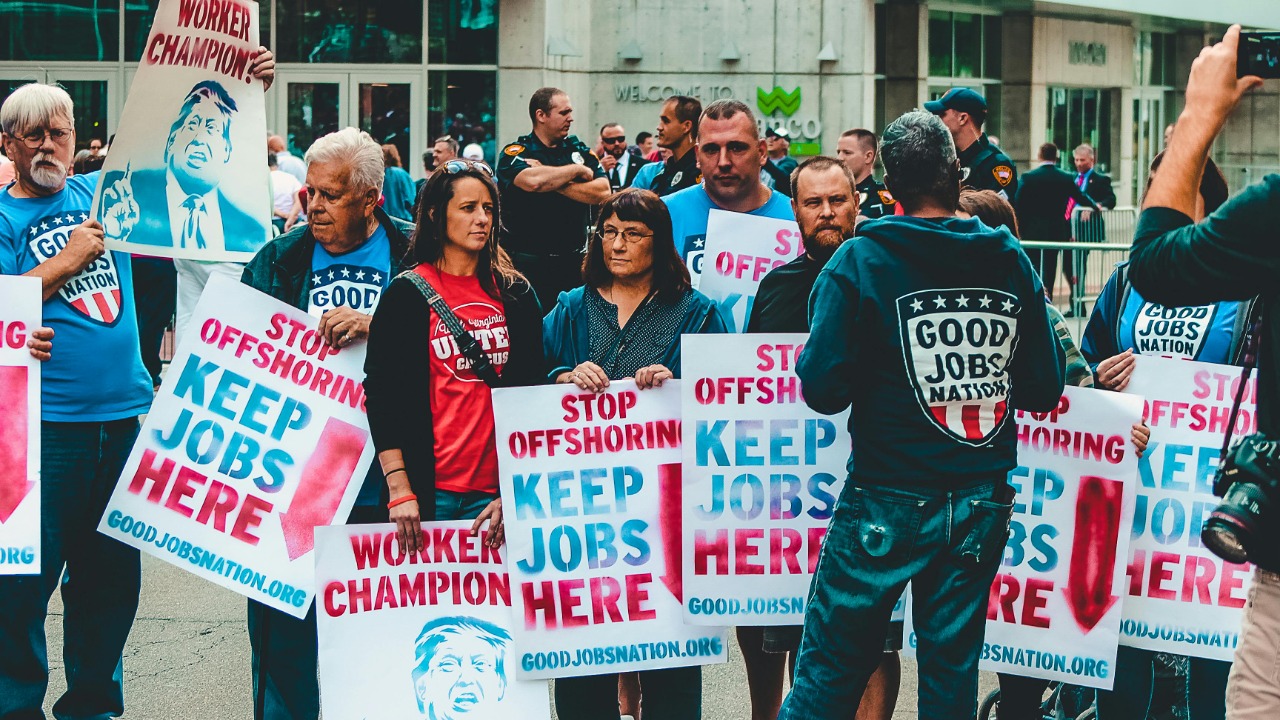
Approximately 800,000 federal employees were affected by the shutdown, with 420,000 furloughed and 380,000 essential workers required to work without pay. These workers were employed in critical agencies such as the FBI, TSA, and IRS. (GAO) The economic impact was significant, with the U.S. economy losing an estimated $11 billion in productivity, equating to about $314 million in daily losses, according to the Congressional Budget Office. (CBO)
Additionally, the shutdown led to closures of national parks and museums, including the Smithsonian museums and Yosemite National Park, which reported over 300,000 visitors turned away during this period. (National Park Service) These closures not only affected tourism but also had a ripple effect on local economies dependent on park visitors.
Political Reactions and Negotiations

House Speaker Nancy Pelosi was vocal in her opposition to the shutdown, stating on January 10, 2019, “This shutdown is not worth it,” and refused to engage in border security talks while federal workers were suffering. The House voted multiple times to reopen the government, reflecting the Democratic stance against the shutdown. (Speaker.gov)
Senate Majority Leader Mitch McConnell initially blocked House-passed bills to reopen the government but allowed a vote on January 22, 2019, after President Trump agreed to a temporary funding extension. This move was pivotal in ending the shutdown. (Senate.gov) During the shutdown, President Trump addressed the nation on January 8, 2019, from the Oval Office, framing the situation as a “national emergency” tied to border security threats from drugs and crime. (White House Archives)
More From TheDailyOverview
- Dave Ramsey warns to stop 401(k) contributions
- 11 night jobs you can do from home (not exciting but steady)
- Small U.S. cities ready to boom next
- 19 things boomers should never sell no matter what

Grant Mercer covers market dynamics, business trends, and the economic forces driving growth across industries. His analysis connects macro movements with real-world implications for investors, entrepreneurs, and professionals. Through his work at The Daily Overview, Grant helps readers understand how markets function and where opportunities may emerge.

