The partial government shutdown that began on September 30, 2025, has exposed fractures within the Democratic Party, challenging their previously united front against Republican demands. As the shutdown continues, key Democratic figures like Senators Jon Ossoff and Raphael Warnock have voiced concerns about the economic and social impacts, while Senate Majority Leader Chuck Schumer attempts to maintain party cohesion. This internal discord comes amid a broader political landscape where both parties face internal and external pressures.
Shutdown Timeline and Initial Democratic Response
The government shutdown was set in motion when Congress failed to pass stopgap bills by the September 30, 2025, deadline. This failure led to a partial shutdown, with Democrats initially presenting a united front against what they characterized as Republican obstructionism. In the early days, Democrats positioned themselves as protectors of essential services, rallying against the GOP’s demands. This strategy was evident as they sought to frame the impasse as a failure of Republican leadership, emphasizing the importance of maintaining government operations for the public good. The shutdown was described as a “slow-boil political crisis” by October 2, 2025, highlighting the growing tension and the potential long-term implications for both parties.
In the immediate aftermath, Democratic leaders coordinated their messaging to underscore the shutdown as a GOP-driven issue. They aimed to maintain public support by emphasizing the critical nature of government services that were being disrupted. This strategy was part of a broader effort to hold Republicans accountable while rallying their base around the need for a functional government. However, as the shutdown dragged on, the initial unity began to show signs of strain, with some Democrats calling for a more pragmatic approach to negotiations.
Emerging Fault Lines Among Democrats
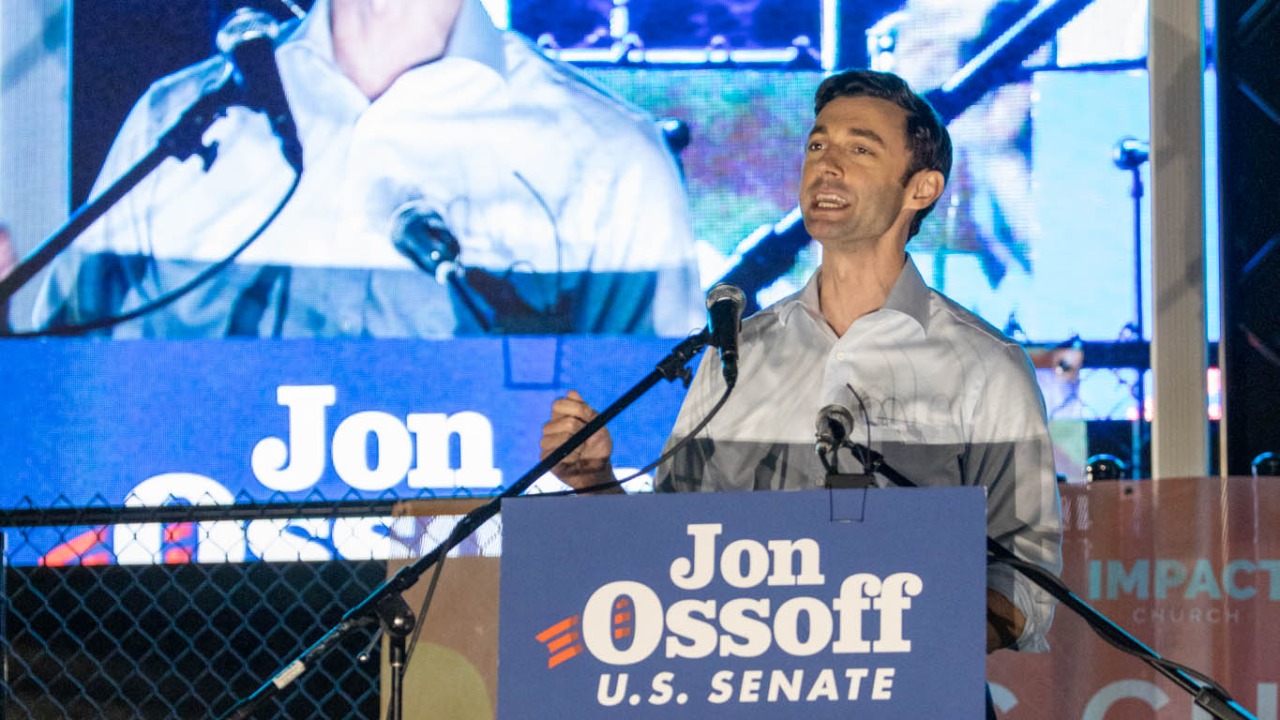
As the shutdown continued, internal divisions within the Democratic Party became more apparent. Senator Jon Ossoff expressed concerns about the economic fallout, warning that prolonged gridlock could harm both the economy and the party’s cohesion. His statements underscored the need for compromise to prevent further damage. Ossoff’s warnings highlighted the risks of maintaining a hardline stance without considering the broader economic implications.
Similarly, Senator Raphael Warnock voiced his concerns about the hardships faced by constituents due to the shutdown. Warnock emphasized the importance of avoiding prolonged gridlock, suggesting that Democrats needed to find a resolution that would alleviate the immediate impacts on the public. His focus on constituent hardships added a human element to the political debate, stressing the real-world consequences of the shutdown.
Senate Majority Leader Chuck Schumer has been at the forefront of managing these tensions within the party. On October 23, 2025, Schumer addressed the growing internal debates over the shutdown strategy, acknowledging the challenges of maintaining unity while navigating complex negotiations. His leadership has been crucial in attempting to balance the diverse perspectives within the party, aiming to present a cohesive front despite emerging disagreements.
Influences from GOP Dynamics on Democratic Strategy
The Democratic strategy during the shutdown has also been influenced by developments within the Republican Party. On October 8, 2025, Representative Marjorie Taylor Greene’s defection highlighted cracks in GOP unity, particularly concerning health care issues. This defection exposed vulnerabilities within the Republican ranks, potentially pressuring Democrats to reconsider their approach. The internal GOP divisions offered Democrats an opportunity to push for concessions while highlighting Republican disarray.
Further erosion of Republican unity was evident after failed votes on October 9, 2025, which underscored the challenges facing the GOP in maintaining a cohesive stance. These developments created openings for Democratic concessions, as the party navigated its own internal divisions. The interplay between the two parties’ instabilities has been a defining feature of the shutdown, with each side attempting to leverage the other’s weaknesses to gain an advantage.
The broader political landscape during the shutdown has been characterized by a “slow-boil crisis,” as described on October 2, 2025. This narrative captures the gradual escalation of tensions and the complex dynamics at play. As both parties grapple with internal and external pressures, the shutdown has become a test of political strategy and leadership, with significant implications for future negotiations and governance.
More From TheDailyOverview
- Dave Ramsey warns to stop 401(k) contributions
- 11 night jobs you can do from home (not exciting but steady)
- Small U.S. cities ready to boom next
- 19 things boomers should never sell no matter what

Grant Mercer covers market dynamics, business trends, and the economic forces driving growth across industries. His analysis connects macro movements with real-world implications for investors, entrepreneurs, and professionals. Through his work at The Daily Overview, Grant helps readers understand how markets function and where opportunities may emerge.

